Content Menu
● How Do Magnetic Filters Work?
● Magnetic Filters vs. Magnetic Separators
● Key Types: Powder & Permanent Magnetic Separators
>> Permanent Magnetic Separator
● Where Are Magnetic Filters and Separators Used?
● Advantages of Magnetic Filtration in Modern Plants
>> 1. Environmentally Friendly, Fully Reusable
>> 2. No Disposal Fee and Lower Operating Cost
>> 3. Ultra‑Low Energy Consumption
>> 4. No Interruption to Productivity
● Expert Perspective: Common Misconceptions and Mistakes
● Practical Steps: How to Select a Magnetic Filter or Separator
>> Step 1: Define Your Material and Process
>> Step 2: Characterize the Contamination
>> Step 3: Set Performance Targets
>> Step 4: Choose the Right Configuration
● Why Foshan Wandaye’s Approach Stands Out
● Call to Action: Talk to a Magnetic Separation Specialist
● FAQs
>> FAQ 1: What is the main difference between a magnetic filter and a conventional cartridge filter?
>> FAQ 2: Can magnetic filters remove very fine iron particles?
>> FAQ 3: Are magnetic separators suitable for food and pharmaceutical applications?
>> FAQ 4: How often do magnetic filters need to be cleaned?
>> FAQ 5: What support can Foshan Wandaye provide beyond equipment supply?
As someone who has spent years helping ceramics, battery, and mineral processing plants optimize their production lines, I have seen magnetic filters quietly solve some of the most persistent contamination problems in powders and slurries. In this guide, I will explain in practical, experience-based language what magnetic filters are, how they work, and how advanced powder and permanent magnetic separators like those from Foshan Wandaye help manufacturers stabilize quality and reduce costs. [en.fswandaye]
What Is a Magnetic Filter?
A magnetic filter is a compact device that removes ferrous and paramagnetic particles from liquids, slurries, and sometimes fine powders using a strong magnetic field. In many plants, it sits quietly in a pipeline or tank, but it directly protects downstream equipment such as pumps, compressors, valves, spray nozzles, and precision molds. [minejxsc]
From an operator’s point of view, a good magnetic filter has three essential qualities: it captures very fine iron contamination, it is easy to clean and reuse, and it does not choke the process flow or cause pressure spikes. In industries with tight product specifications—like ceramics, glass, lithium battery materials, and food—the difference between using and not using a magnetic filter is often the difference between stable quality and constant customer complaints. [eclipsemagnetics]
How Do Magnetic Filters Work?
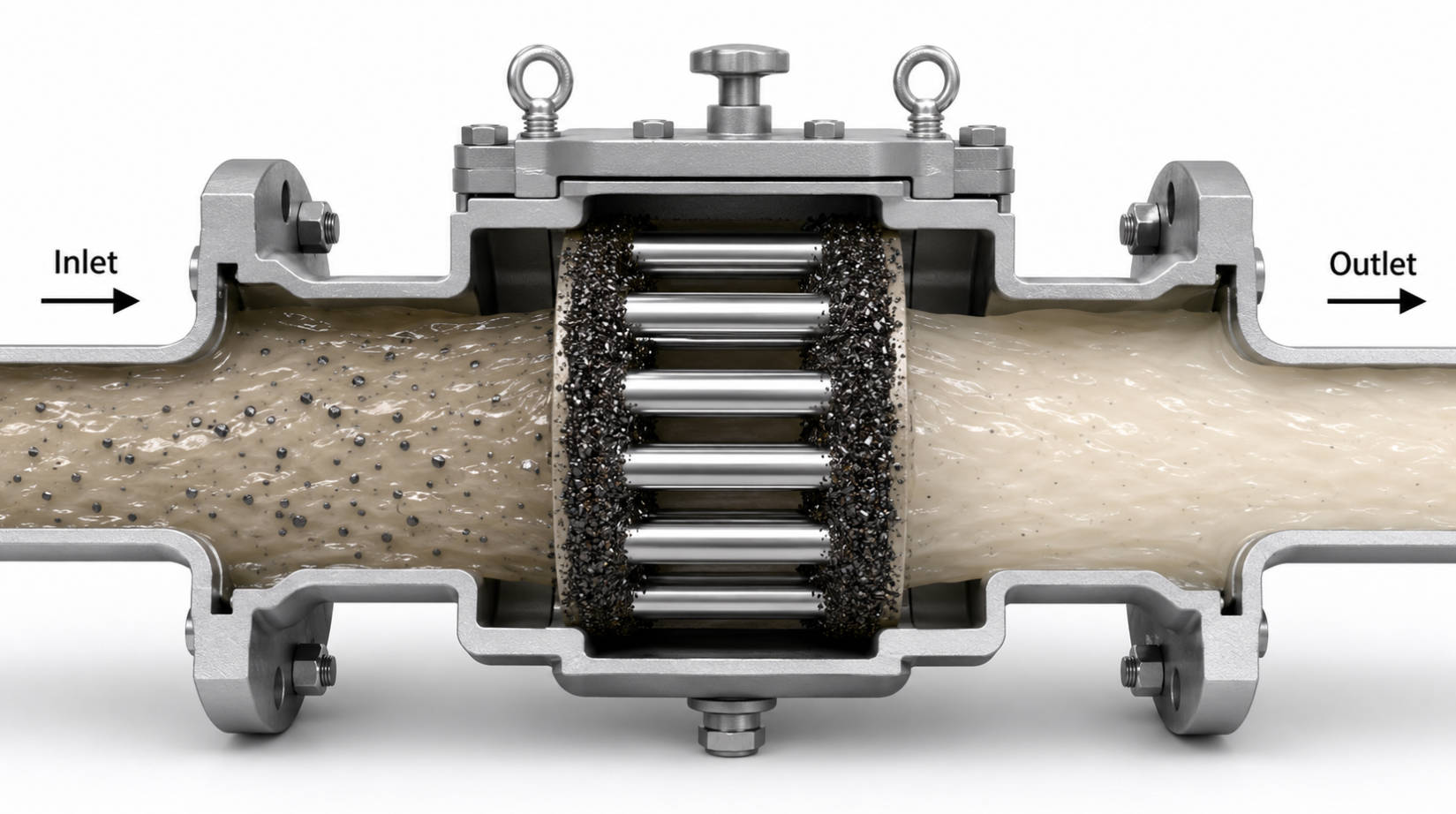
At its core, magnetic filtration is simple: contaminated fluid is guided past a strong magnetic field, and ferrous particles are pulled out and held on a magnetic surface until cleaning. In practice, engineering this process to be continuous, safe, and easy to maintain is what separates basic filters from high‑performance magnetic separation systems. [en.fswandaye]
Most magnetic filters consist of:
– A non-magnetic housing (pipe section, chamber, or tank insert)
– One or more high-intensity magnetic rods or cores
– Flow-directing structures that ensure all fluid passes through a strong magnetic zone
When slurry or liquid passes the high-strength magnetic rods, iron particles and paramagnetic contaminants are attracted and held firmly on the rod surface, forming a “filter cake.” Once the rods are removed from the housing, operators can wash off the contamination with water or cleaning fluid and immediately return the filter to service, without replacing any media. [eclipsemagnetics]
Magnetic Filters vs. Magnetic Separators
In many plants, engineers use the terms “magnetic filter” and “magnetic separator” interchangeably, but there are useful distinctions when you plan a system. [minejxsc]
| Aspect | Magnetic filter | Magnetic separator |
|---|---|---|
| Typical medium | Liquids and slurries | Powders, granules, slurries en.fswandaye |
| Form factor | Compact inline or cartridge | Larger drums, belts, plates, or high‑gradient systems eclipsemagnetics |
| Main purpose | Protect equipment, polish fluid quality | Primary removal of metal from bulk material minejxsc |
| Cleaning | Manual or automatic, fully reusable | Manual, semi-auto, or fully automatic depending on design eclipsemagnetics |
| Example | Filter on ceramic slurry line | Powder magnetic separator on quartz production line en.fswandaye |
In my experience, magnetic filters are often the last stage of protection and quality assurance, while powder and permanent magnetic separators handle the heavy lifting of iron removal from raw materials. [en.fswandaye]
Key Types: Powder & Permanent Magnetic Separators
Foshan Wandaye is a professional magnetic separator enterprise integrating R&D, engineering design, production-line installation, and commissioning services, which gives us a unique view of how different separator types behave in the field. The main product families include powder magnetic separators and permanent magnetic separators, often combined with high-gradient electromagnetic slurry machines in complete lines. [en.fswandaye]

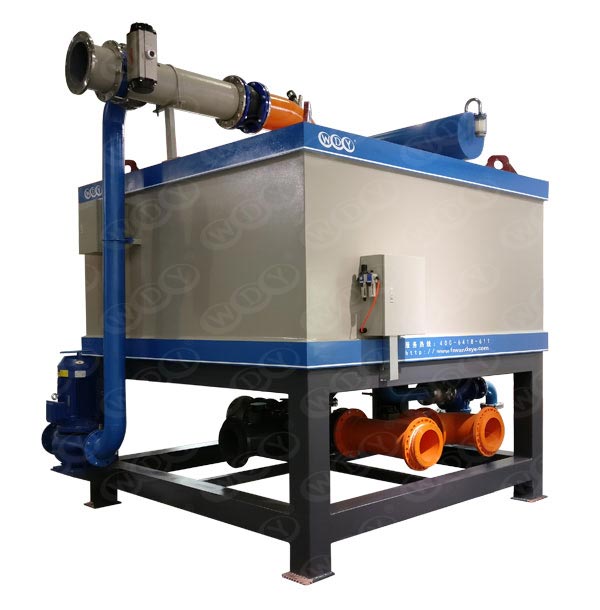
Powder Magnetic Separator
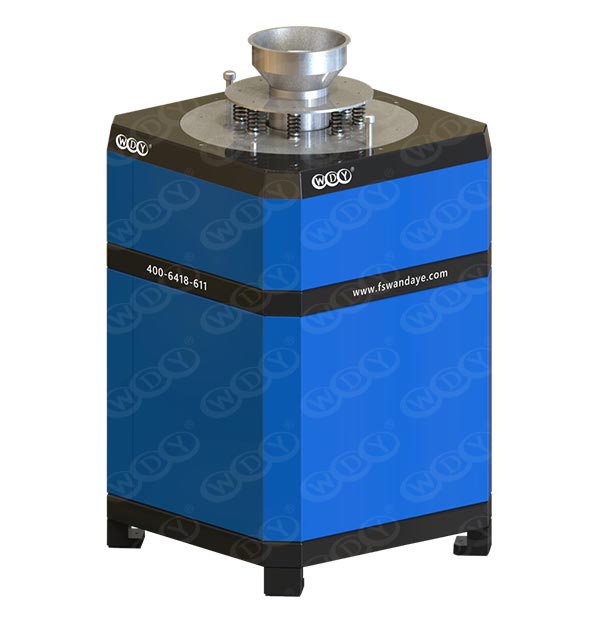
A powder magnetic separator is designed to remove iron contamination from dry, free‑flowing powders such as quartz, feldspar, kaolin, cathode/anode powders, and various industrial minerals. These systems typically use high-gradient magnetic fields and optimized flow paths so that even very fine powders at high throughput are effectively cleaned. [eclipsemagnetics]
For powder-based industries, a well-designed powder separator delivers:
– Higher product purity for glass, ceramics, and battery materials
– Less black spot and pinhole defects in fired ceramics and glass
– Reduced wear on mills, classifiers, and pneumatic conveying pipelines
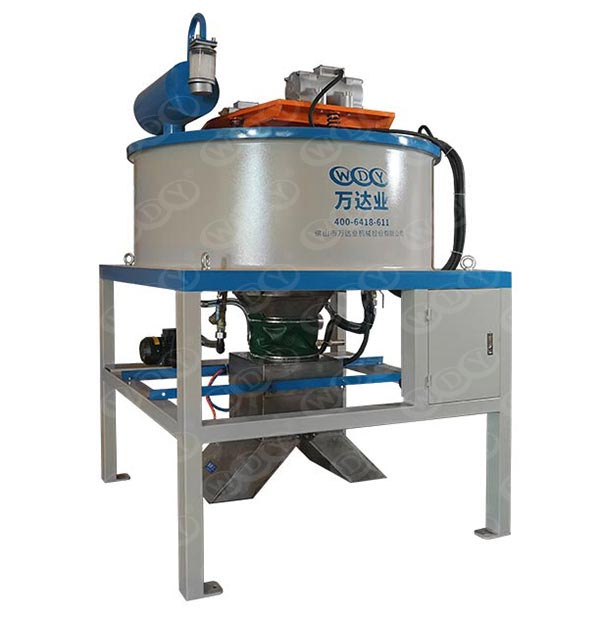
Permanent Magnetic Separator
A permanent magnetic separator uses permanent magnets rather than electromagnets, providing continuous magnetic fields without external power. In applications where energy efficiency and reliability are critical, permanent separators are often the first choice. [grandviewresearch]
Compared with traditional electromagnetic systems, permanent magnetic separators:
– Reduce energy consumption because there is no excitation power requirement [grandviewresearch]
– Simplify installation and maintenance with fewer electrical components [eclipsemagnetics]
– Offer stable performance in harsh environments where cooling and power quality are challenges [grandviewresearch]
Wandaye combines these technologies with the concept of “High‑efficient – Energy‑saving – Environmental‑protection – Smart”, and has successfully developed high‑efficiency separators that deliver around 25% energy savings, with a roadmap toward 30%. [en.fswandaye]
Where Are Magnetic Filters and Separators Used?
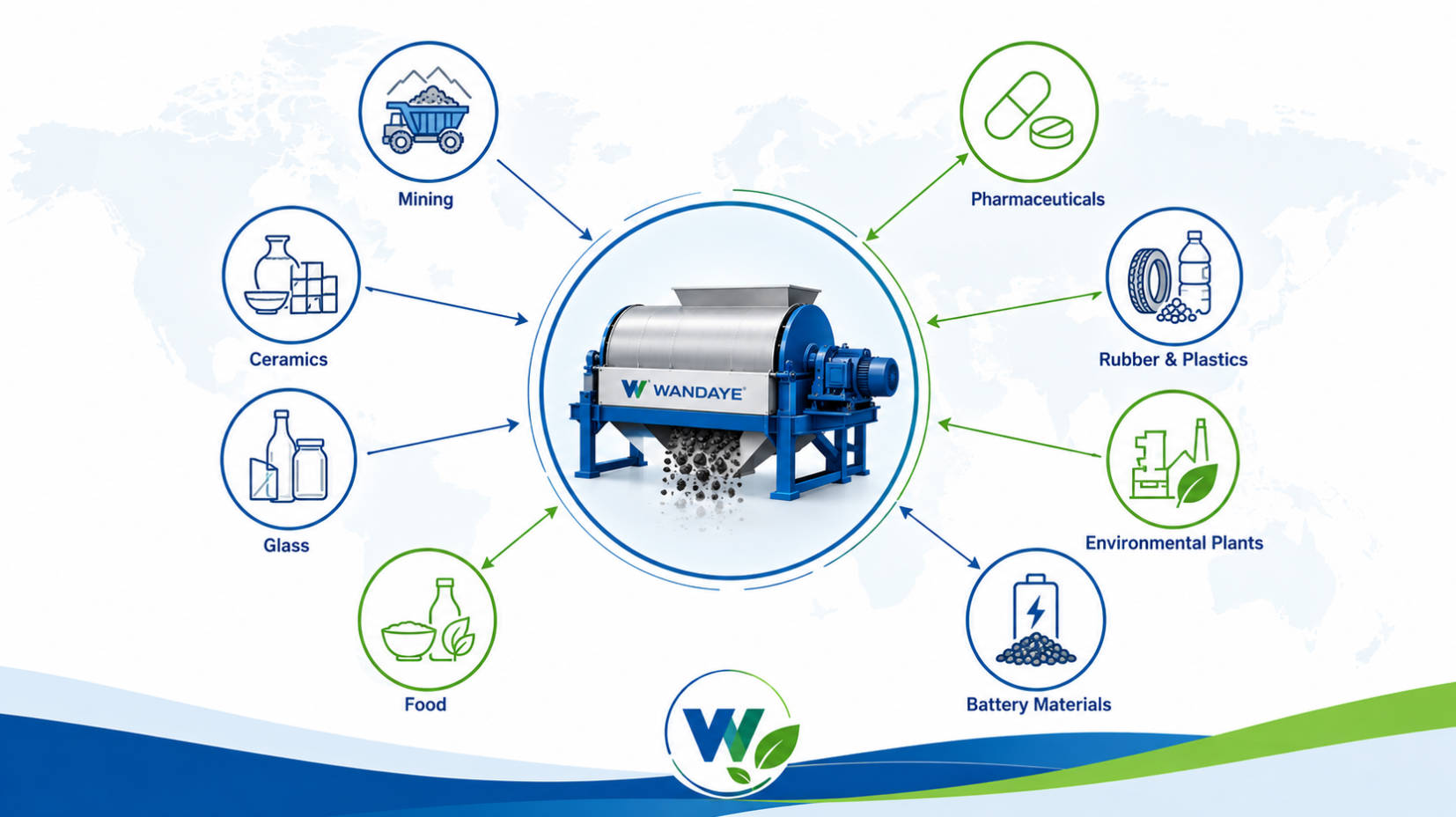
From my work with manufacturing clients, magnetic filters rarely operate in isolation—they sit inside larger systems in multiple industries. Wandaye’s powder and permanent magnetic separators are widely used in: [minejxsc]
– Mines and mineral processing – iron removal from quartz, feldspar, kaolin, and other non‑metallic ores [minejxsc]
– Ceramics and glass – improving whiteness and transparency, reducing black spots in tiles, sanitary ware, and glass products [en.fswandaye]
– Electric power and building materials – removing iron from fly ash, cement, and filler materials to protect mills and burners [minejxsc]
– Environmental protection – treating wastewater from steel plants and power plants and cleaning contaminated raw materials that require lower iron content [minejxsc]
– Rubber and plastics – protecting extruders, injection machines, and molds from metal damage [eclipsemagnetics]
– Pharmaceutical and food – ensuring product safety by removing metallic contamination before final packaging [eclipsemagnetics]
– Anode and cathode materials – stabilizing battery performance by strictly controlling metal contamination in positive and negative electrode powders. [maximizemarketresearch]
This breadth of application is one reason the global magnetic separator market was valued at around USD 884.6 million in 2024 and is forecast to grow at a CAGR of about 5.1% through 2032. [maximizemarketresearch]
Advantages of Magnetic Filtration in Modern Plants
The original article highlights several advantages of magnetic filtration, and these align closely with what we see in real‑world projects. [eclipsemagnetics]
1. Environmentally Friendly, Fully Reusable
Magnetic filters are media‑free: they do not rely on disposable cartridges or consumable filter elements. Contaminants collected on the magnetic rods are removed as a single, concentrated material that can be recycled, instead of being landfilled with spent filter media. [eclipsemagnetics]
Because the base fluid retains its essential properties, plants often see longer fluid life and lower chemical consumption in cutting, grinding, and slurry preparation systems. [eclipsemagnetics]
2. No Disposal Fee and Lower Operating Cost
Once a magnetic filter is installed, there is no ongoing cost for new elements or cartridges, which cuts both material and disposal expenses. Even when plants upgrade from manual cleaning to self‑cleaning models, the lifetime cost tends to be significantly lower than conventional filtration systems. [dingsmagnets]
In many projects, I have seen plants recover their investment through:
– Reduced product scrap due to fewer defects
– Fewer unplanned shutdowns caused by metal damage
– Lower replacement cost for pumps, seals, and nozzles
3. Ultra‑Low Energy Consumption
For manual‑cleaning filters, the process requires almost no additional energy—only the pumping power already present in the system. For self‑cleaning magnetic filters, only a small amount of energy is needed to drive the cleaning cycle, and permanent magnetic separators eliminate the excitation power required by classical electromagnets. [grandviewresearch]
With Wandaye’s focus on high‑efficiency designs, many customers in energy‑sensitive sectors have been able to reduce overall separation-related power consumption by around 25% while maintaining or improving separation performance. [en.fswandaye]
4. No Interruption to Productivity
One of the most underrated benefits of magnetic filtration is its non‑blocking flow behavior. Unlike conventional filters where pores gradually clog and create pressure drops, magnetic filters operate without forcing fluid through a porous medium, so flow is much less restricted. [eclipsemagnetics]
Even when the magnetic element is heavily loaded with contamination, the risk of catastrophic pressure spikes or filter bursts is extremely low, which means less downtime and fewer emergency maintenance events. [eclipsemagnetics]
Expert Perspective: Common Misconceptions and Mistakes
When I work with new plants, there are a few recurring misconceptions about magnetic filters and separators that can limit their impact.
– “Any magnet is good enough.” In reality, magnet strength, field gradient, and coverage area directly determine capture efficiency, especially for sub‑micron particles. [minejxsc]
– “Magnetic filtration replaces all other filtration.” In most systems, magnetic filtration works best as part of a hybrid strategy alongside mechanical filters, screens, or centrifuges. [eclipsemagnetics]
– “Installation position does not matter.” The best results come when the filter is placed where contamination is still mobile and before critical equipment or final product tanks. [dingsmagnets]
By addressing these points early, we often unlock significant gains in product purity and line uptime with relatively small capital investments.
Practical Steps: How to Select a Magnetic Filter or Separator
When manufacturers contact Wandaye for a solution, we typically follow a structured approach rather than just quoting a model number. Here is a simplified version you can apply in your own plant. [en.fswandaye]
Step 1: Define Your Material and Process
– Material type: powder, slurry, liquid, or granule
– Temperature, viscosity, and abrasion level
– Flow rate and operating pressure
Understanding this process envelope is essential because magnetic field design and housing construction must match real operating conditions to avoid premature wear and bypass. [minejxsc]
Step 2: Characterize the Contamination
– Ferrous only, or also weakly magnetic (paramagnetic) particles
– Particle size range (e.g., >100 μm, 10–100 μm, <10 μm)
– Typical contamination load (ppm or g/t where available)
This helps determine whether you need high‑gradient electromagnetic systems, optimized permanent magnet arrays, or a combination of both. [eclipsemagnetics]
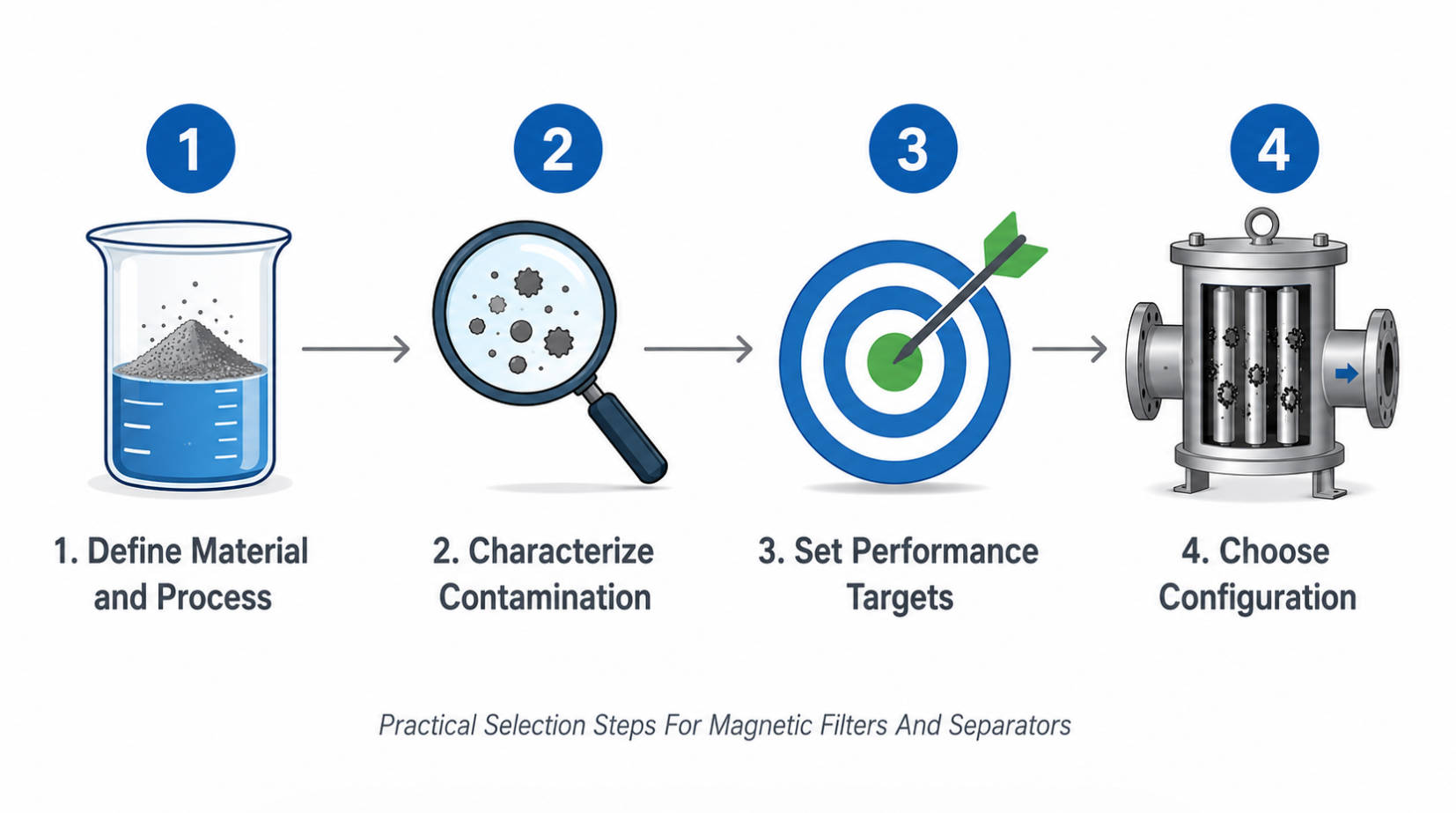
Step 3: Set Performance Targets
– Required residual iron or metallic content in the final product
– Allowed pressure drop and space constraints
– Target maintenance interval (how often cleaning is acceptable)
In our engineering projects, we also simulate the impact of different separator configurations on upstream and downstream process steps to avoid shifting bottlenecks. [en.fswandaye]
Step 4: Choose the Right Configuration
Typical options include:
– Inline magnetic filters for slurry pipelines
– Drawer or grate magnets for powder flow
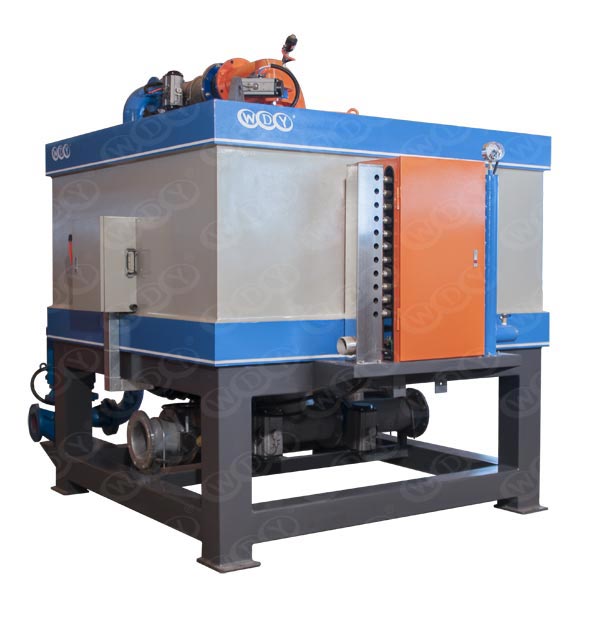
– High-gradient slurry separators for ultra‑fine non‑metallic minerals
– Plate or drum separators for bulk solids and recycling streams [minejxsc]
Wandaye provides not only equipment, but also beneficiation tests, mineral analysis, and whole-line process design for materials like kaolin, potassium-sodium feldspar, and quartz sand. [en.fswandaye]
Why Foshan Wandaye’s Approach Stands Out
Foshan Wandaye is more than a component supplier; it is a national innovative high‑tech enterprise that integrates production, marketing, and technical services. The company became a listed NEEQ enterprise in 2015 (stock code: 833886) and has since played a leading role in the Foshan magnetic equipment industry. [en.fswandaye]
Several aspects are particularly valuable for industrial users:
– Integrated solutions – From ore testing and lab analysis to full plant erection and commissioning, customers receive a coherent separation strategy instead of isolated machines. [en.fswandaye]
– Smart and remote capabilities – Many systems are equipped with remote monitoring, intelligent reporting, and cloud-based maintenance, which supports predictive maintenance and faster troubleshooting. [en.fswandaye]
– Tailored engineering – For every client, Wandaye customizes process design, tailings utilization plans, and environmental reconstruction solutions, rather than forcing a one-size-fits-all package. [en.fswandaye]
This combination of equipment, process knowledge, and after‑sales support is what many experienced plant managers value most when they adopt or upgrade magnetic separation technology.
Call to Action: Talk to a Magnetic Separation Specialist
If you are struggling with iron contamination, black spots, or unexplained failures in pumps and valves, upgrading your magnetic filtration is one of the most cost‑effective levers you can pull. Based on real‑world projects, the combination of powder magnetic separators, permanent magnetic separators, and high‑gradient slurry machines can stabilize quality and unlock capacity without major civil work. [eclipsemagnetics]
To get a tailored proposal, you can contact Foshan Wandaye Machinery Equipment Co., Ltd. via email or phone through the official website and share your material data, process diagram, and quality targets. A short technical discussion often reveals quick wins and long‑term optimization opportunities across your line. [en.fswandaye]
FAQs
FAQ 1: What is the main difference between a magnetic filter and a conventional cartridge filter?
A conventional cartridge filter relies on physical pores to trap particles, which gradually clog and increase pressure drop, leading to frequent replacement. A magnetic filter uses a strong magnetic field to capture ferrous and paramagnetic particles without a porous medium, so flow is more stable and the filter can be cleaned and reused many times. [eclipsemagnetics]
FAQ 2: Can magnetic filters remove very fine iron particles?
Yes, especially when high‑gradient designs and strong rare‑earth magnets are used. Properly engineered magnetic filters can capture extremely fine iron particles that are difficult or impossible to remove with standard mechanical filtration alone, which is critical in industries like ceramics, glass, and lithium battery materials. [maximizemarketresearch]
FAQ 3: Are magnetic separators suitable for food and pharmaceutical applications?
Modern magnetic separators and filters are widely used in food processing and pharmaceutical plants to remove metal fragments and fine iron contamination before packaging. Housings and contact surfaces are typically made from food‑grade stainless steel, and designs comply with hygiene and cleaning requirements such as CIP (clean‑in‑place) where required. [en.fswandaye]
FAQ 4: How often do magnetic filters need to be cleaned?
Cleaning frequency depends on contamination load, process criticality, and product specifications. In many plants, operators integrate cleaning into regular shift checks, while heavily contaminated lines may use self‑cleaning systems that perform automatic contamination discharge with minimal operator intervention. [dingsmagnets]
FAQ 5: What support can Foshan Wandaye provide beyond equipment supply?
Foshan Wandaye offers ore beneficiation tests, mineral analysis, process design, and whole-line plant erection for non‑metallic minerals such as kaolin, potassium-sodium feldspar, and quartz sand. The company also provides integrated tailings utilization plans and environmental improvement technologies, along with remote monitoring and intelligent reporting to support ongoing optimization. [en.fswandaye]
References
1. Great Magtech (Xiamen) Electric Co., Ltd. “¿Qué es el filtro magnético?” – Overview of magnetic filtration principles and advantages. <https://es.greatmagtech.com/info/what-is-magnetic-filter-66852199.html>
2. Foshan Wandaye Machinery Equipment Co., Ltd. “About Us” – Company profile, product range, and technology concept. <http://en.fswandaye.com/About-Us/> [en.fswandaye]
3. Eclipse Magnetics. “Guide to Magnetic Separation” – Fundamentals of magnetic separation across powders, granules, liquids, and slurries. <https://www.eclipsemagnetics.com/products/magnetic-separation-and-metal-detection/magnetic-separation/> [eclipsemagnetics]
4. JXSC. “The Role of Magnetic Separation in Diverse Industries.” – Applications in mining, recycling, food, and biotechnology. <https://www.minejxsc.com/blog/what-is-magnetic-seperation/> [minejxsc]
5. Maximize Market Research. “Magnetic Separator Market – Industry Analysis and Forecast.” – Market size, CAGR, and major players. <https://www.maximizemarketresearch.com/market-report/global-magnetic-separator-market/116659/> [maximizemarketresearch]
6. Dings Co. Magnetic Group. “Magnetic Separation for Grain & Bulk Powders.” – Practical notes on magnetic filters for powders and bulk materials. <https://dingsmagnets.com/magnetic-separation-for-grain-amp-bulk-powders/> [dingsmagnets]
Hot Tags: Magnetic Filter, Electromagnet, Manufacturers, Customized, Custom, Suppliers, Buy, Cheap, Quality, Advanced, Durable, in Stock, Made in China, Price, Quotation