Content Menu
● Who Is Foshan Wandaye Technology Co., Ltd.?
● What Is a Magnetic Drum Separator?
● How Does a Magnetic Drum Separator Work?
>> Detailed working steps of a magnetic drum separator
>> Wet drum versus dry drum magnetic separator
● Main Components of a Magnetic Drum Separator
>> Drum shell
>> Housing, tank, and feed system
>> Drive and support structure
● Types of Magnetic Drum Separator
>> Dry drum magnetic separator
>> Wet drum magnetic separator
>> High‑intensity and low‑intensity drum designs
● Typical Applications of Magnetic Drum Separator
>> Mining and mineral processing
>> Pharmaceuticals and chemicals
>> Recycling and environmental protection
● Advantages of Magnetic Drum Separator
>> Continuous automatic operation
>> High throughput and efficiency
>> Simple structure and low maintenance
>> Versatility and adaptability
● How Foshan Wandaye Technology Co., Ltd. Designs Magnetic Drum Separator Solutions
>> Custom engineering and manufacturing
>> Commissioning and after‑sales service
● Suggestions for Visuals and Videos in a Magnetic Drum Separator Article
● Practical Tips for Operating a Magnetic Drum Separator
● FAQ
>> Q1. What is the main purpose of a magnetic drum separator?
>> Q2. What is the difference between a wet drum and a dry drum magnetic separator?
>> Q3. How do I choose the right magnetic drum separator for my application?
>> Q4. What maintenance does a magnetic drum separator require?
>> Q5. Can a magnetic drum separator be integrated into an existing production line?
Foshan Wandaye Technology Co., Ltd. is a specialized manufacturer dedicated to the research, design, and production of magnetic separator equipment, providing complete magnetic drum separator solutions for mining, ceramics, pharmaceutical, and many other processing industries.
By integrating engineering design, manufacturing, and on‑site service, Foshan Wandaye Technology Co., Ltd. helps global customers use each magnetic separator more efficiently to remove ferrous contamination, recover valuable minerals, and protect downstream equipment.
Who Is Foshan Wandaye Technology Co., Ltd.?
Foshan Wandaye Technology Co., Ltd. focuses on a wide range of magnetic separator and iron‑removal systems, including magnetic drum separator, high‑gradient magnetic separator, suspended magnetic separator, and pipeline magnetic separator for bulk solids and slurries.
The company serves mining enterprises, ceramic tile and sanitaryware plants, pharmaceutical manufacturers, chemical producers, and other customers who rely on stable, high‑efficiency magnetic separator equipment to maintain product purity and equipment safety.
With strong technical capabilities and experience in complete production lines, Foshan Wandaye Technology Co., Ltd. can design magnetic separator configurations tailored to different feed materials, particle sizes, capacities, and installation constraints, from small test drum units to large‑diameter magnetic drum separator systems.
By combining industrial‑scale thinking with flexible engineering, the company can deliver turnkey magnetic separator projects that include design, fabrication, installation, and commissioning support for domestic and international customers.
What Is a Magnetic Drum Separator?
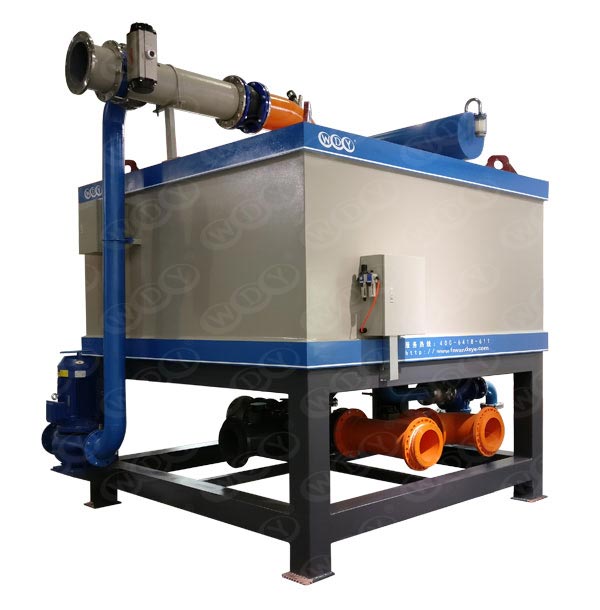
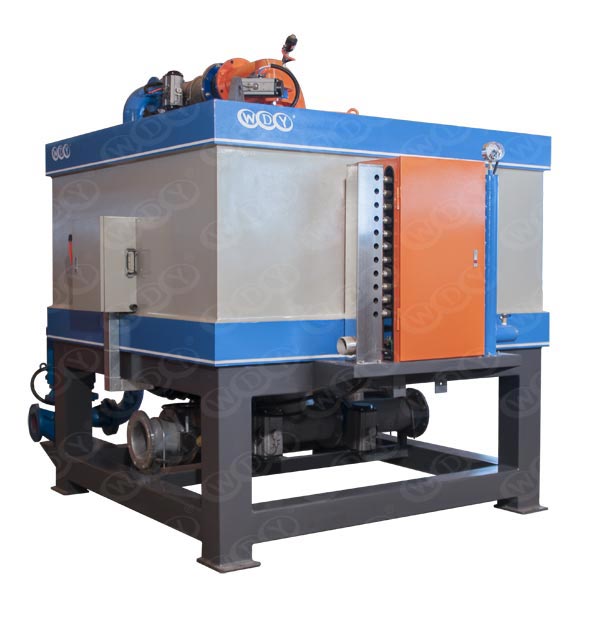
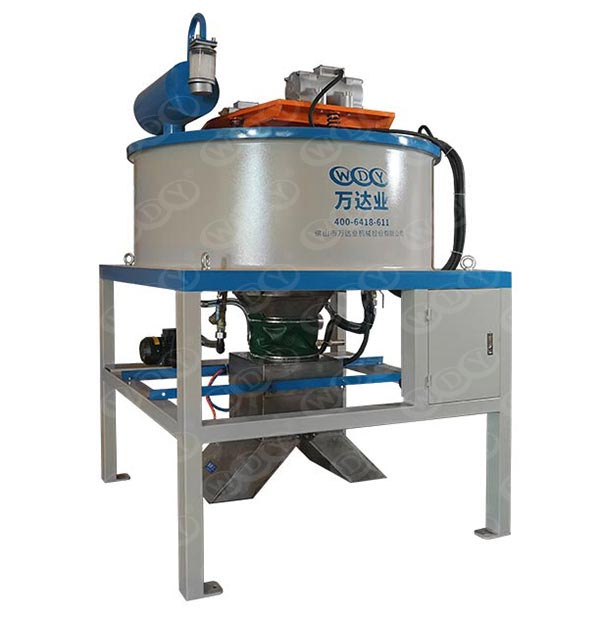
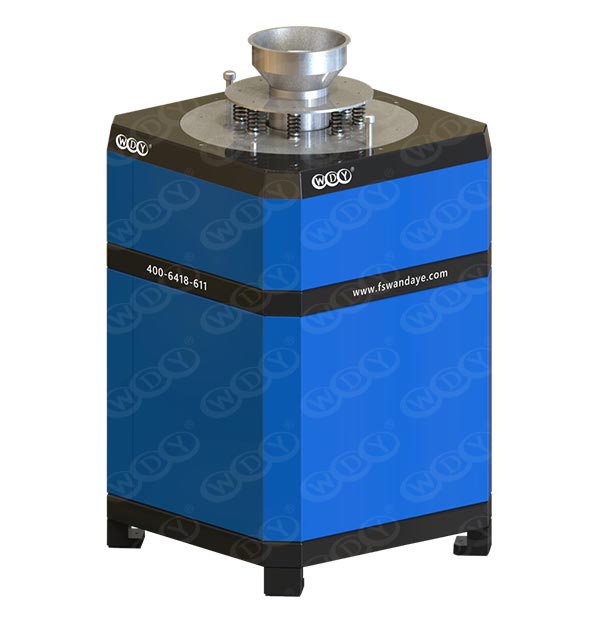
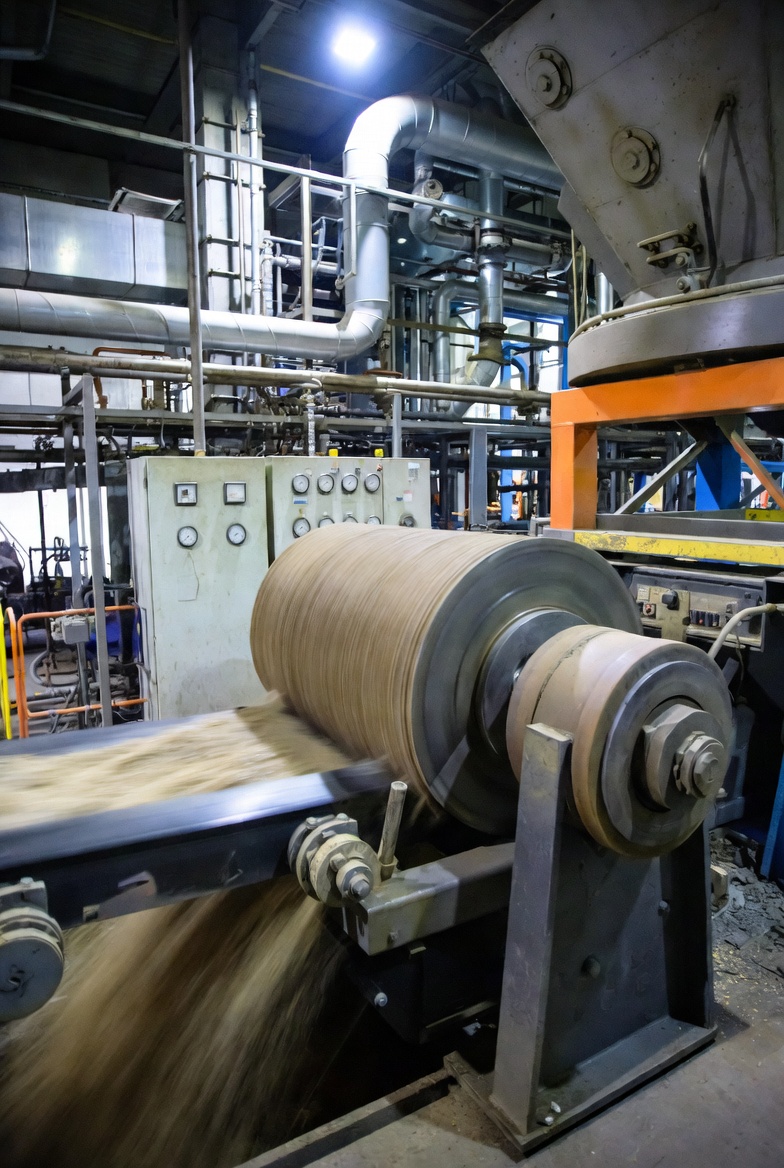
A magnetic drum separator is a type of magnetic separator that uses a rotating drum with an internal magnetic core to continuously separate ferrous materials or magnetic minerals from a flowing bulk material stream or slurry.
In a typical magnetic drum separator, material is fed onto the surface of the rotating drum, where magnetic particles are attracted and held to the drum shell while non‑magnetic material falls away; as the drum continues to rotate, the captured magnetic fraction is carried out of the magnetic field and discharged separately.
The magnetic drum separator can be configured for dry separation of bulk solids such as granules, powders, or crushed ore, or as a wet drum magnetic separator for slurries, tailings, and fine mineral processing circuits.
Because the process is continuous and does not require moving belts or complex mechanical parts beyond the drum itself, a magnetic drum separator is widely used as a robust and low‑maintenance magnetic separator in many industries.
How Does a Magnetic Drum Separator Work?
The working principle of a magnetic drum separator is based on the different magnetic properties of particles within a mixed material stream and the interaction of those particles with the magnetic field produced inside the drum.
Inside the housing, a stationary magnetic system is fixed, while the outer shell of the drum rotates around it; the magnetic separator concentrates ferrous or strongly magnetic particles on the drum surface while allowing non‑magnetic materials to move along a normal trajectory under gravity.
As the magnetic drum separator rotates, the magnetic field retains the attracted particles until they leave the magnetic zone, at which point gravity and centrifugal force cause them to fall into a separate discharge chute as a magnetic product, leaving a cleaned non‑magnetic product stream.
By carefully choosing drum speed, feed rate, and magnet layout, the operator can tune the magnetic separator to reach the targeted balance between recovery and product purity for a given material.
Detailed working steps of a magnetic drum separator
1. A uniform feed layer is delivered to the magnetic drum separator via a vibratory feeder, chute, or conveyor so that particles contact the drum surface evenly.
2. As the material meets the rotating drum, the magnetic field inside the magnetic separator attracts ferrous or magnetic particles and holds them on the drum shell, while non‑magnetic particles are unaffected and fall away under gravity as cleaned material.
3. The drum continues to rotate, carrying the captured magnetic particles past a divider or splitter installed inside the magnetic drum separator housing.
4. When the drum surface moves beyond the region of strongest magnetic field, the magnetic force decreases and the ferrous particles detach from the drum, dropping into the magnetic discharge chute as a separate fraction.
5. The cycle repeats continuously, so the magnetic separator can operate 24/7 with stable separation performance and very low energy consumption aside from the drum drive motor.
Wet drum versus dry drum magnetic separator
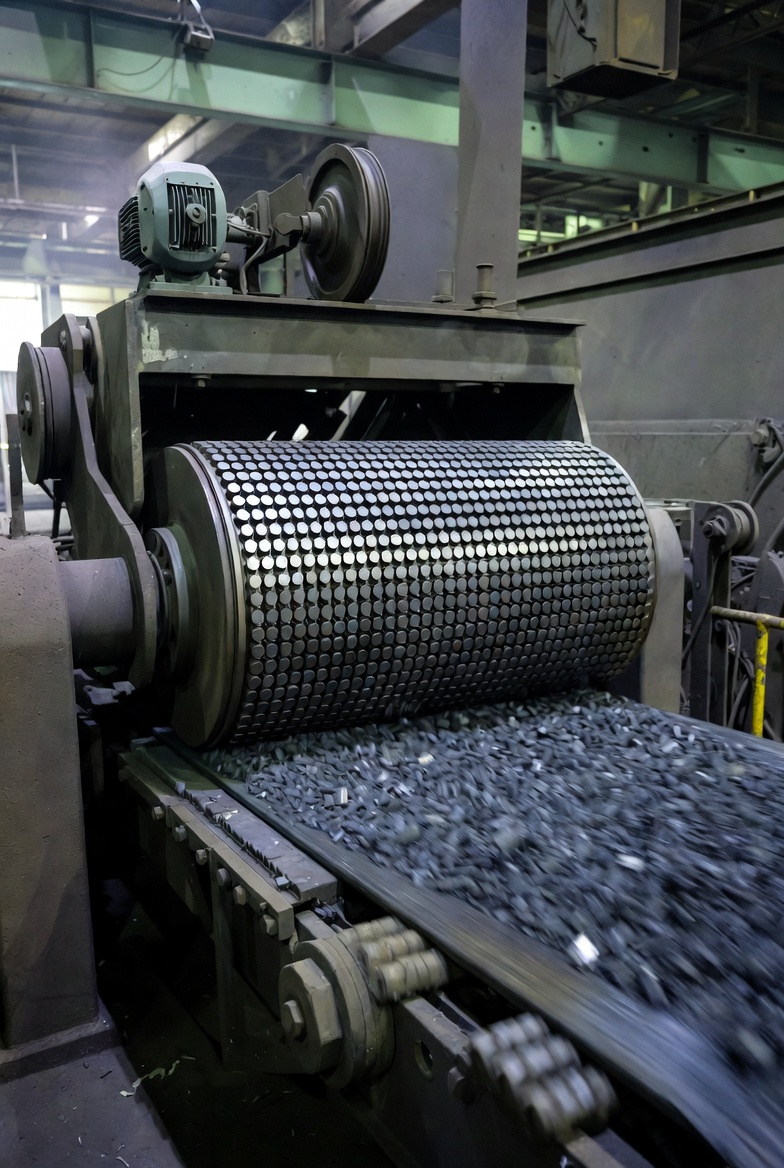
A dry drum magnetic separator usually handles free‑flowing bulk solids and removes tramp iron or concentrates strongly magnetic minerals from the dry material stream.
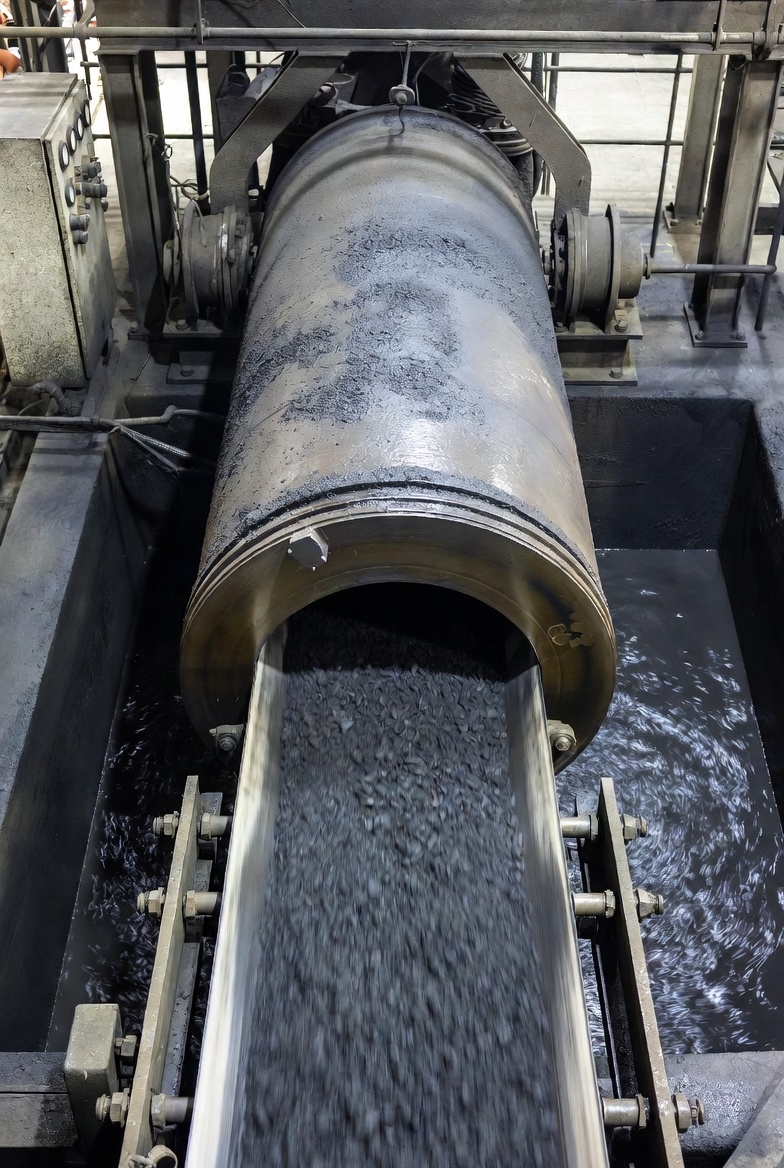
In contrast, a wet drum magnetic separator works inside a tank or trough filled with slurry; the rotating drum of this magnetic separator draws magnetic particles out of the slurry, producing a concentrated magnetic product while non‑magnetic particles exit as tailings.
Wet drum magnetic separator designs are especially important in iron ore beneficiation, heavy‑media recovery, and ceramic raw material preparation, where the magnetic separator must treat fine particles in water‑based suspensions.
While a dry drum magnetic separator is often simpler to install over belts or chutes, a wet drum magnetic separator can achieve higher efficiency for fine, strongly magnetic particles that are difficult to separate in a dry state.
Main Components of a Magnetic Drum Separator
A magnetic drum separator consists of several core components that determine its performance, durability, and suitability for specific materials.
Drum shell
The rotating shell of the magnetic drum separator is typically made of non‑magnetic stainless steel to allow magnetic fields to penetrate while resisting abrasion from the moving material.
The drum shell is driven by a motor and gearbox at a controlled speed, which influences retention time, throughput, and separation efficiency of the magnetic separator.
Magnetic system
Inside the drum shell, a stationary magnetic system made of ferrite or rare earth magnets generates the magnetic field that powers the magnetic drum separator.
By arranging magnet poles in specific configurations such as radial pole, axial pole, or high‑intensity zones, the magnetic separator can be optimized for different particle sizes, magnetite content, and separation tasks.
The choice between ferrite and rare earth magnets affects the intensity and depth of the magnetic field, and therefore the type of material that the magnetic separator can handle effectively.
Housing, tank, and feed system
The drum is partially enclosed in a housing or tank, which directs feed material across the working area of the magnetic drum separator and channels separated products into appropriate outlets.
In dry magnetic separator applications, the housing is designed to minimize dust and provide easy access for cleaning, whereas in wet drum magnetic separator systems, the tank geometry ensures stable slurry flow and effective contact between particles and the drum.
The design of feed inlets and discharge ports is also important, because poorly controlled flow can reduce magnetic separator efficiency and increase wear on internal surfaces.
Drive and support structure
A robust frame and bearing system support the magnetic drum separator and maintain alignment between the rotating drum and stationary magnetic core over long operating periods.
The drive motor and gearbox provide the torque and speed required for the drum, and can be adjusted to balance capacity and magnetic separator efficiency according to process needs.
Proper alignment and tension of drive components reduce vibration and extend the service life of both the magnetic drum separator and surrounding equipment.
Types of Magnetic Drum Separator
Different process conditions and materials require different types of magnetic drum separator, so suppliers offer a variety of configurations for both dry and wet magnetic separator systems.
Dry drum magnetic separator
Dry drum magnetic separator units are used for removing tramp iron from conveyors, chutes, and hoppers, and for upgrading magnetic minerals in dry ore streams.
They are widely applied in coal handling, crushed stone and aggregate production, cement plants, and recycling operations where a magnetic separator must handle high‑throughput dry materials.
For example, a dry drum magnetic separator can be installed at the discharge of a conveyor to intercept ferrous pieces before they reach a crusher or mill, preventing costly damage.
Wet drum magnetic separator
Wet drum magnetic separator systems operate in a slurry environment and are common in iron ore beneficiation, heavy‑media circuits, and fine‑particle recovery from tailings.
Because water helps to disperse particles and allows better contact between solids and the drum surface, a wet drum magnetic separator can achieve higher recovery and better control of product grade than many dry magnetic separator options for fine materials.
In some plants, several wet drum magnetic separator stages are used in series to produce a high‑grade concentrate and low‑iron tailings that meet environmental discharge standards.
High‑intensity and low‑intensity drum designs
Low‑intensity magnetic drum separator designs use relatively moderate magnetic field strengths to separate strongly magnetic materials such as magnetite or ferrosilicon.
High‑intensity magnetic drum separator designs use rare‑earth magnets and special pole arrangements to handle weakly magnetic minerals or to remove very small ferrous particles from non‑magnetic products in demanding applications such as ceramics or chemicals.
Selecting the correct intensity ensures that the magnetic separator captures the target contaminants without unnecessarily attracting non‑target particles that would reduce separation sharpness.
Typical Applications of Magnetic Drum Separator
Because of its continuous operation, robust structure, and versatile magnetic separator configurations, the magnetic drum separator is used in many industries.
Mining and mineral processing
In mining, a magnetic drum separator is frequently used to concentrate magnetite ores, recover ferrosilicon from dense‑media circuits, and remove iron contamination from non‑ferrous mineral streams.
The magnetic separator improves ore grade, increases recovery, and protects crushers, mills, and screens from damage caused by tramp iron in the feed.
In iron ore beneficiation, a wet drum magnetic separator is often a key piece of equipment between grinding and flotation or thickening, ensuring that magnetic iron minerals are efficiently recovered.
Ceramics and glass
In ceramic and glass production, a magnetic drum separator removes iron impurities from feldspar, quartz, kaolin, and other raw materials to prevent black spots, defects, and color changes in finished tiles or glass products.
Using a high‑efficiency magnetic separator in the raw material preparation line helps producers maintain stable quality and reduce defect rates.
For high‑grade porcelain or sanitaryware, even trace levels of iron can cause visible defects, so a properly designed magnetic drum separator becomes an essential quality safeguard.
Pharmaceuticals and chemicals
Pharmaceutical and fine chemical plants use magnetic drum separator equipment to remove stainless steel wear particles, iron dust, and small ferromagnetic fragments from powders and granules to protect product purity and comply with strict quality standards.
In such critical environments, a sanitary‑grade magnetic separator with easy cleaning and validation features is important for regulatory compliance and safe operation.
CIP‑friendly designs, smooth surfaces, and suitable gasket materials make it easier to integrate a magnetic drum separator into hygienic process lines.
Food and feed processing
In food and animal feed industries, a magnetic drum separator is installed at key points such as mill outlets, bagging lines, and bulk loading systems to capture metal fragments before they reach the consumer or animal.
This type of magnetic separator helps reduce product recalls, protect brand reputation, and stabilize equipment performance by preventing metallic contamination from entering downstream machines.
Combining a magnetic drum separator with other magnetic separator devices such as grate magnets and plate magnets can create a multilayer safety system for critical products.
Recycling and environmental protection
Magnetic drum separator units are also widely used in scrap recycling, waste treatment, and slag processing to recover ferrous metals for resale and to clean non‑metallic fractions.
In these operations, the magnetic separator not only improves the economic value of recovered materials but also supports environmental goals by reducing landfill volumes and enabling more complete resource utilization.
A magnetic drum separator can be placed at several points in a recycling plant to separate steel cans, iron pieces, and magnetic fines from mixed waste streams efficiently.
Advantages of Magnetic Drum Separator
Using a magnetic drum separator brings several advantages compared to manual separation or non‑magnetic methods.
Continuous automatic operation
A magnetic drum separator operates continuously and automatically, requiring minimal operator intervention once correctly installed and adjusted.
This allows production lines to run smoothly with a stable magnetic separator function, reducing labor intensity and human error.
High throughput and efficiency
Magnetic drum separator designs can handle large volumes of material per hour, making them ideal for high‑capacity mining, cement, or bulk‑material plants.
With a suitable magnetic system and process configuration, the magnetic separator achieves high recovery of ferrous material while maintaining good separation from non‑magnetic products.
Simple structure and low maintenance
The structure of a magnetic drum separator is relatively simple, with the main moving part being the drum and its bearings, which makes maintenance tasks straightforward and predictable.
Because the magnetic separator has no contacting moving parts inside the feed zone other than the rotating shell, wear is limited, especially when wear‑resistant materials are used on critical surfaces.
Versatility and adaptability
A magnetic drum separator can be configured for different feed orientations, drum speeds, magnetic strengths, and tank designs, allowing the same basic magnetic separator concept to be adapted to many process requirements.
Producers can choose between single‑drum, double‑drum, or multiple magnetic drum separator arrangements to achieve staged separation or to handle complex material streams with varying magnetic properties.
How Foshan Wandaye Technology Co., Ltd. Designs Magnetic Drum Separator Solutions
Foshan Wandaye Technology Co., Ltd. applies deep experience in magnetic separator technology to design magnetic drum separator systems that match each customer’s process conditions and performance targets.
Process evaluation
Engineers at Foshan Wandaye Technology Co., Ltd. begin by analyzing the customer’s raw materials, particle size distribution, throughput, and target product definitions to determine whether a dry or wet magnetic drum separator is more appropriate.
They also consider upstream and downstream equipment, space constraints, and environmental requirements to ensure that the chosen magnetic separator integrates smoothly into the existing line.
Magnetic system selection
Based on material testing and process simulations, the company selects magnetic field intensity, pole configuration, and magnet type for the magnetic drum separator to achieve the desired balance between recovery and purity.
Optimizing the magnetic separator’s internal design is crucial for both energy efficiency and long‑term stability of separation performance.
Custom engineering and manufacturing
Foshan Wandaye Technology Co., Ltd. can customize drum diameter, length, tank style, and support frames to fit customer layouts and capacity requirements, from small pilot magnetic separator units to large industrial drum separators for continuous plants.
By controlling the entire manufacturing process, the company ensures that each magnetic drum separator meets strict quality standards for mechanical strength, magnetic field stability, and corrosion resistance.
Commissioning and after‑sales service
After delivery, technicians can support on‑site installation, alignment, and commissioning to ensure that the magnetic separator runs at its designed capacity and separation efficiency.
Regular inspection, field testing of magnetic strength, and timely maintenance help extend the lifetime of the magnetic drum separator and maintain high reliability in demanding industrial environments.
Suggestions for Visuals and Videos in a Magnetic Drum Separator Article
Because the operation of a magnetic drum separator can be easier to understand with visual aids, many companies enrich their content with clear diagrams and multimedia demonstrations.
– A cutaway diagram showing the outer rotating drum shell and the stationary internal magnet core of a magnetic drum separator, with arrows indicating the material flow and magnetic particle path.
– A process flow sketch for a mining plant where ore passes through a magnetic drum separator to remove magnetite, followed by screens, crushers, and flotation cells.
– A sequence of illustrations showing how non‑magnetic material falls away while ferrous material remains attached to the drum of the magnetic separator until it passes beyond the magnetic field zone.
– A short video showing a dry drum magnetic separator installed over a conveyor belt, capturing tramp iron from a flowing stream of crushed stone or coal.
– A video animation of a wet drum magnetic separator tank, visualizing how slurry flows around the drum and how the magnetic separator recovers fine magnetic particles from the mixture.
Such visual and video content can be used on company websites, social media, and training platforms to help customers and operators quickly understand the structure, function, and advantages of a magnetic drum separator in real industrial environments.
Practical Tips for Operating a Magnetic Drum Separator
To get the best performance from a magnetic drum separator, operators should follow practical guidelines and monitor key parameters of the magnetic separator during everyday use.
1. Maintain a consistent and uniform feed rate to the magnetic drum separator to avoid overloading or under‑utilizing the separation zone.
2. Adjust splitter positions and drum speed so that the magnetic and non‑magnetic discharge streams from the magnetic separator are clearly separated with minimal mixing.
3. Periodically inspect the drum shell for wear or build‑up of material that might reduce the effective magnetic separator area or change material flow patterns.
4. Check the strength of the magnetic field of the drum using suitable test tools, especially if the magnetic separator has been in service for many years or operates in harsh thermal conditions.
5. Implement routine lubrication and inspection schedules for bearings, seals, and drive components so that the magnetic drum separator can operate continuously without unexpected downtime.
Conclusion
A magnetic drum separator is a robust, continuous‑duty magnetic separator that uses a rotating drum and internal magnets to separate ferrous and magnetic materials from bulk solids or slurries in many industries.
By selecting the right drum design, magnetic system, and process configuration, users can achieve high recovery, improved product purity, and effective protection of downstream equipment with a magnetic drum separator.
Foshan Wandaye Technology Co., Ltd. leverages extensive experience with magnetic separator technology to design, manufacture, and support magnetic drum separator solutions tailored to mining, ceramics, pharmaceuticals, chemicals, food, and recycling applications worldwide.
For any plant seeking stable, energy‑efficient, and easy‑to‑maintain iron removal or mineral upgrading, a well‑engineered magnetic drum separator from a professional magnetic separator manufacturer is a powerful tool to enhance process performance and product quality.
Contact us to get more information!
FAQ
Q1. What is the main purpose of a magnetic drum separator?
The main purpose of a magnetic drum separator is to automatically separate ferrous or magnetic particles from a continuous flow of material, improving product purity and protecting downstream equipment.
By installing a magnetic drum separator at key points in a process line, operators can remove tramp iron, recover valuable magnetic minerals, and stabilize production quality.
Q2. What is the difference between a wet drum and a dry drum magnetic separator?
A dry drum magnetic separator handles free‑flowing dry materials such as powders, granules, or crushed ore and is commonly used for tramp iron removal or coarse mineral separation.
A wet drum magnetic separator operates in a slurry and is especially suited for fine particle recovery, iron ore beneficiation, and heavy‑media circuits where water is already part of the process.
Q3. How do I choose the right magnetic drum separator for my application?
To choose the right magnetic drum separator, you should consider material type, particle size, moisture content, throughput, and whether you need tramp iron removal or ore concentration.
Consulting with an experienced magnetic separator manufacturer allows you to define the appropriate drum size, magnetic field strength, tank style, and installation layout for your process.
Q4. What maintenance does a magnetic drum separator require?
Routine maintenance for a magnetic drum separator includes inspecting the drum shell for wear, checking bearings and seals, verifying drum speed, and cleaning accumulated material from the housing.
Regular checks of the magnetic separator’s field strength and mechanical components help prevent failures and keep separation efficiency at the desired level.
Q5. Can a magnetic drum separator be integrated into an existing production line?
Yes, a magnetic drum separator can usually be integrated into existing conveyors, chutes, or slurry circuits with suitable support structures and transitions.
By working with a magnetic separator supplier that offers custom engineering, you can adapt the magnetic drum separator’s size, orientation, and inlets or outlets to fit your current plant layout.
Citations:
1. https://www.tinsleycompany.com/magnetic-drum-separator/
2. https://www.greatmagtech.com/info/how-does-a-magnetic-drum-separator-work-63744281.html
3. https://ejetmagnet.com/products/wet-drum-magnetic-separator/
4. https://www.imt-inc.com/wet-drum-magnetic-separators-explained/
5. https://steinertglobal.com/us/sorting-systems/magnetic-separation/wet-drum-magnetic-separators/
6. https://electrofluxpvtltd.com/blogs/magnetic-separators-enhanced-mineral-processing/
7. https://osencmag.com/how-does-magnetic-drum-separator-work/
8. https://osencmag.com/blog/magnetic-separator-types-guide/
Hot Tags: What Is Magnetic Drum Separator, Magnetic Drum Separator Working Principle, Magnetic Drum Separator Machine, Industrial Magnetic Drum Separator, Wet Magnetic Drum Separator, Dry Magnetic Drum Separator, Drum Magnet Separator Equipment, Magnetic Drum For Iron Removal, Mining Magnetic Drum Separator, Permanent Magnet Drum Separator