Content Menu
● What Is Magnetic Separation?
● Core Principle: Density vs Magnetism
>> Typical Particle Size Range
● Side‑by‑Side Comparison Table
● Where Gravity Separation Works Best
● Where Magnetic Separation Clearly Wins
● Expert View: Why Modern Plants Combine Both
● How High Gradient Electromagnetic Slurry Machines Fit In
● Role of Powder Magnetic Separators, Plates and Rods
>> Mining and Mineral Processing
>> Ceramics, Glass, and New Energy Materials
● Practical Selection Guide: Gravity vs Magnetic Separation
● Latest Trends and Technological Advancements
● Call to Action: Work With a Specialist Magnetic Separation Partner
● FAQs
>> 1. Is gravity separation cheaper than magnetic separation?
>> 2. Can gravity and magnetic separation be used together in one plant?
>> 3. What materials benefit most from high gradient electromagnetic slurry separators?
>> 4. How do magnetic plates and rods improve product quality?
>> 5. When should a plant upgrade from basic magnets to high gradient systems?
Gravity separation relies on differences in particle density, while magnetic separation relies on differences in magnetic susceptibility; in modern mineral and powder processing, they are often combined, but each has very different principles, equipment, and ideal application scenarios. For a magnetic equipment manufacturer like Foshan Wandaye, magnetic separation becomes the core technology to upgrade traditional gravity-based flowsheets, especially for fine non-metallic minerals, ceramics, battery materials, and food-grade powders. [mineraldressing]
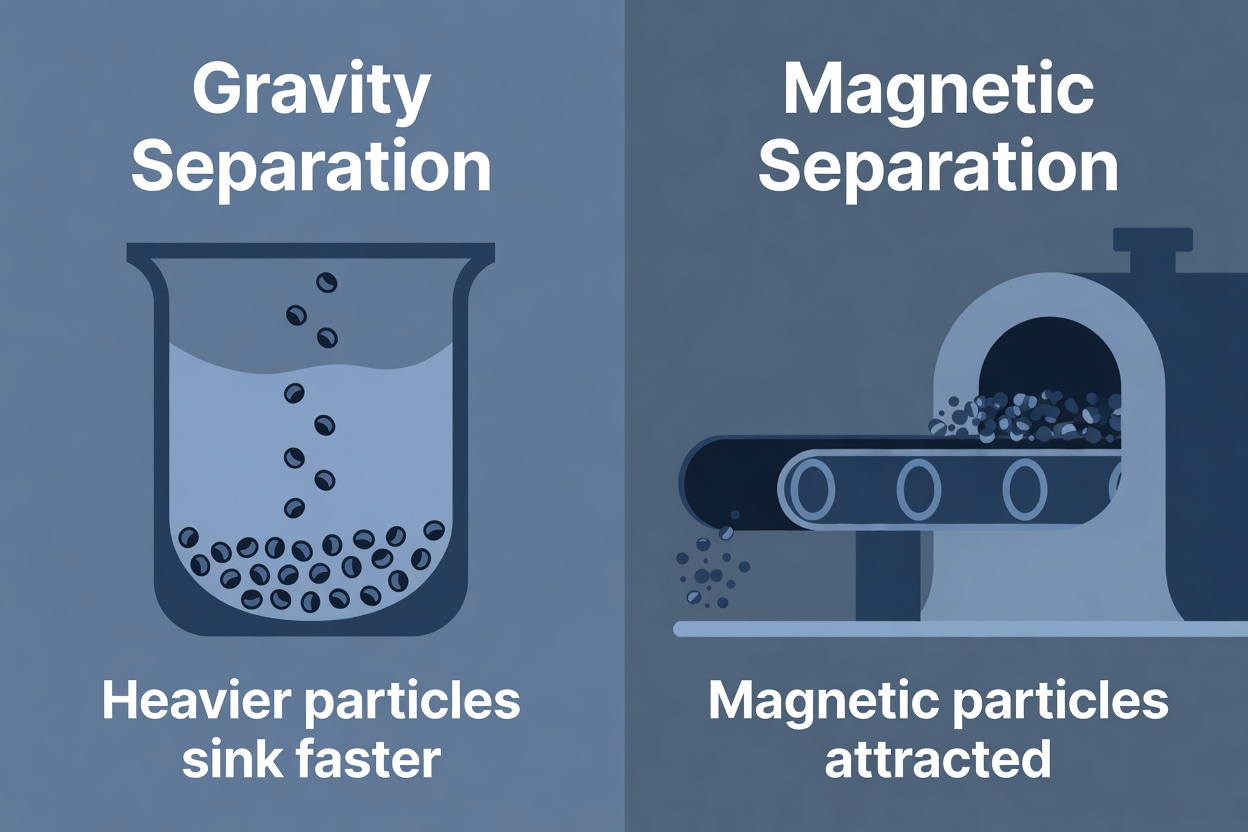
What Is Gravity Separation?
Gravity separation is a physical separation method that uses the difference in density and particle settling velocity in a fluid (usually water or air) to separate valuable minerals from gangue. Heavier particles settle or migrate differently from lighter ones under gravity and hydraulic forces, allowing operators to collect separate fractions. [jxscmineral]
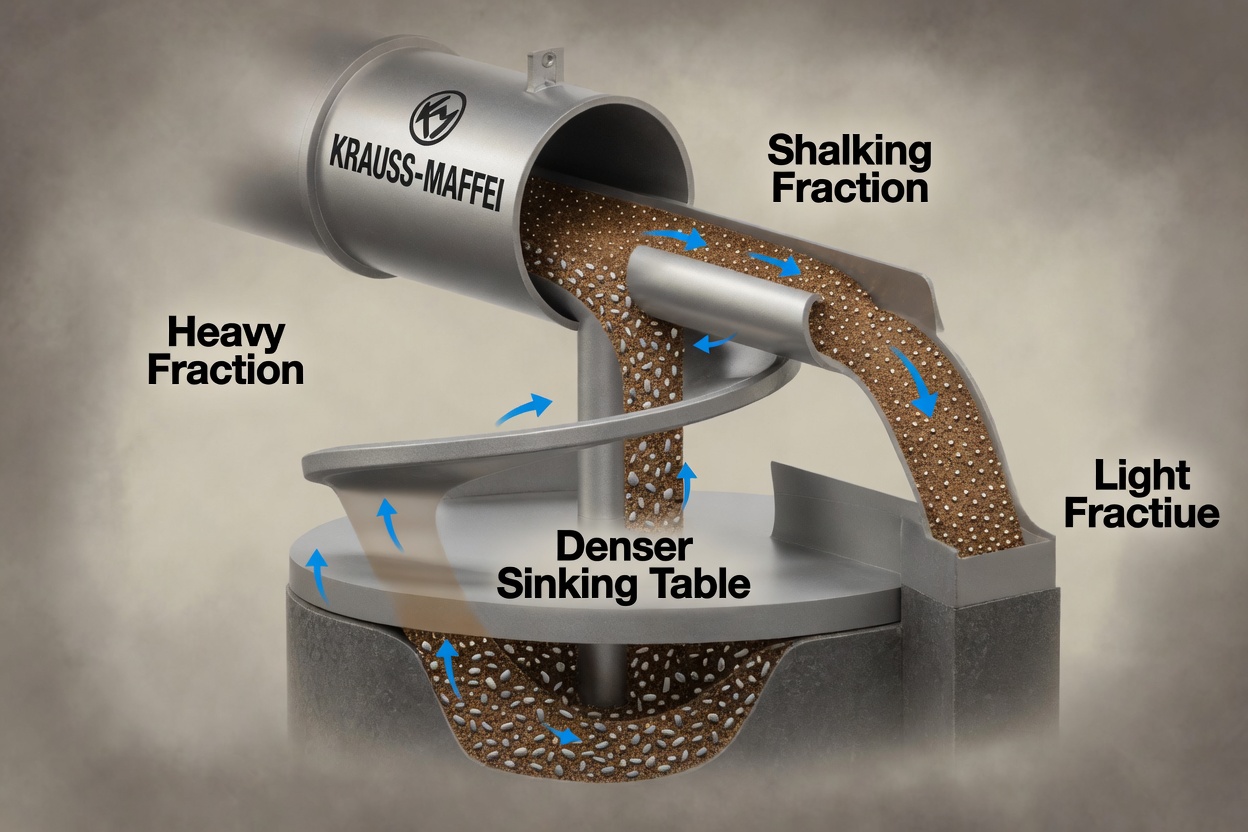
Typical gravity equipment includes jigs, shaking tables, spiral chutes, and dense‑medium cyclones, all optimized to enhance stratification and layering of particles with different densities. Because it does not require reagents and uses relatively simple equipment, gravity separation is widely used in coal, iron ore, manganese, tin, and gold beneficiation as an economical and environmentally friendly process step. [mineraldressing]
What Is Magnetic Separation?
Magnetic separation uses an external magnetic field to selectively attract magnetic or weakly magnetic particles away from non‑magnetic material in a moving slurry or dry stream. When material passes through the magnetic field, magnetic particles deviate from their original trajectory and are captured on magnetic surfaces, while non‑magnetic particles continue along their path and are discharged separately. [pmc.ncbi.nlm.nih]
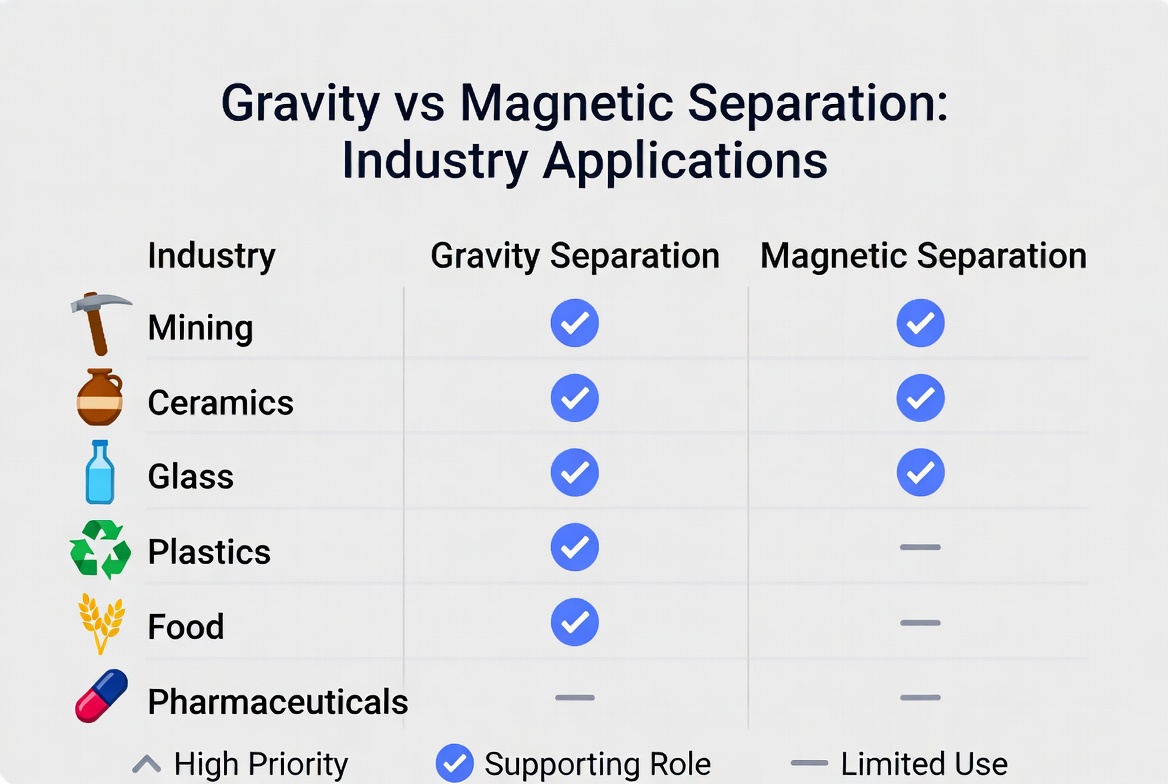
Modern industrial magnetic separators range from low‑intensity drum and overband magnets to high‑gradient electromagnetic separators and permanent magnetic systems, designed for both wet and dry processing. In addition to mining and mineral processing, magnetic separation is now critical in ceramics, plastics, food, pharmaceuticals, glass, chemical, and battery materials to remove iron contamination and improve product purity. [buntingmagnetics]
Core Principle: Density vs Magnetism
At the most fundamental level, gravity separation depends on density contrast, whereas magnetic separation depends on magnetic susceptibility contrast. If the valuable mineral is heavier than the gangue, gravity methods can work efficiently; if the valuable or impurity phase is magnetic or weakly magnetic, magnetic methods are preferred. [mineraldressing]
This difference also defines how each method responds to particle size: gravity separation performance drops sharply for fine particles because settling velocities converge, while magnetic separation becomes more effective for fine material where magnetic forces can dominate over gravitational forces. In practice, many modern flowsheets use gravity for coarse fractions and magnetic separation for fine or weakly magnetic fractions to maximize recovery and product quality. [prominetech]
Detailed Process Comparison
Process Mechanism
– Gravity separation:
– Uses water flow, shaking motion, and gravity to stratify particles according to density and size. [jxscmineral]
– Separation occurs in open chutes, tables, or vessels where layers of heavy and light fractions are physically divided. [mineraldressing]
– Magnetic separation:
– Uses magnetic field gradients generated by permanent magnets or electromagnets to capture magnetic particles from a moving slurry or powder stream. [minejxsc]
– Separation is continuous, with magnetic material periodically flushed or scraped from the collection matrix or drum surface. [pmc.ncbi.nlm.nih]
Typical Particle Size Range
Gravity separation is most efficient on medium to coarse particles, often above 0.1–0.2 mm, where density differences translate into significant differences in settling velocity. At very fine sizes, the influence of water viscosity and turbulence makes it difficult to obtain clean separation only by gravity. [prominetech]
Magnetic separation can perform well on fine and ultra‑fine particles, particularly using high‑gradient electromagnetic separators that generate strong field gradients within a steel wool or rod matrix. This makes it especially suitable for ceramic slurries, battery precursor slurries, pigment slurries, and fine powders, where gravity methods are ineffective. [finance.yahoo]
Side‑by‑Side Comparison Table
| Aspect | Gravity Separation | Magnetic Separation |
|---|---|---|
| Main principle | Density and settling velocity differences. mineraldressing | Magnetic susceptibility differences in an applied magnetic field. pmc.ncbi.nlm.nih |
| Key driving force | Gravity and hydraulic forces. mineraldressing | Magnetic force plus drag/gravity. pmc.ncbi.nlm.nih |
| Best particle size | Coarse to medium, generally > 0.1–0.2 mm. prominetech | Fine to ultra‑fine, including slurries and powders. pmc.ncbi.nlm.nih |
| Typical media | Water, sometimes air or dense liquids. mineraldressing | Air or water carrier with strong magnetic field. pmc.ncbi.nlm.nih |
| Main applications | Coal, gold, tin, manganese, iron ore pre‑concentration. mineraldressing | Iron removal and upgrading in mining, ceramics, glass, plastics, food, pharma, battery materials. buntingmagnetics |
| Reagent use | Generally reagent‑free, low chemical footprint. mineraldressing | Usually reagent‑free; energy used in magnets and drives. pmc.ncbi.nlm.nih |
| Performance on ultra‑fine particles | Poor to moderate, often requires combination with other methods. prominetech | Good with high‑gradient or high‑intensity separators. pmc.ncbi.nlm.nih |
| Equipment complexity | Mechanically simpler, fewer control variables. mineraldressing | Wide range from simple plates/rods to advanced programmable slurry separators. pmc.ncbi.nlm.nih |
Where Gravity Separation Works Best
Gravity separation is highly attractive in simple ore bodies where there is a clear density contrast between valuable minerals and gangue. For example, in tin or manganese ores, heavy mineral grains can often be separated economically with spirals or shaking tables at relatively low operating cost. [mineraldressing]
Because gravity circuits are usually energy‑efficient, low‑maintenance, and reagent‑free, they are widely used as pre‑concentration steps before more complex beneficiation stages. However, for non‑metallic minerals, ceramic raw materials, or high‑purity powders, gravity alone is rarely sufficient to achieve the very low iron content required by downstream users. [buntingmagnetics]
Where Magnetic Separation Clearly Wins
Magnetic separation becomes the preferred choice when the target impurities or valuables are magnetic or weakly magnetic and when the process deals with fine slurries or powders. In non‑metallic mineral processing, high‑gradient magnetic separators are now standard for removing iron contaminants from kaolin, feldspar, quartz, and ceramic body slurries, enabling stable high‑whiteness and fewer product defects. [minejxsc]
In industries such as food, pharmaceuticals, plastics, and battery materials, regulatory and customer specifications require extremely low levels of ferrous contamination, which cannot be reached by gravity separation. Here, a combination of magnetic plates, magnetic rods, and dedicated powder magnetic separators, like those supplied by Foshan Wandaye, protects equipment and ensures stable, high‑purity products. [en.fswandaye]
Expert View: Why Modern Plants Combine Both
From an engineering standpoint, gravity and magnetic separation are complementary, not mutually exclusive. A typical design approach in mining is to use gravity separation to remove coarse gangue or recover coarse heavy minerals, followed by magnetic separation to clean up the fine fraction and remove residual magnetic impurities. [prominetech]
In high‑value non‑metallics and advanced materials, process designers have shifted emphasis towards magnetic separation as the core refining step, with gravity playing a smaller or no role, especially where density contrast is small but iron sensitivity is high. This is exactly the niche where high gradient electromagnetic slurry machines, powder magnetic separators, and permanent magnetic separators deliver the most value for industries such as ceramics, glass, new energy materials, and fine chemicals. [linkedin]
How High Gradient Electromagnetic Slurry Machines Fit In
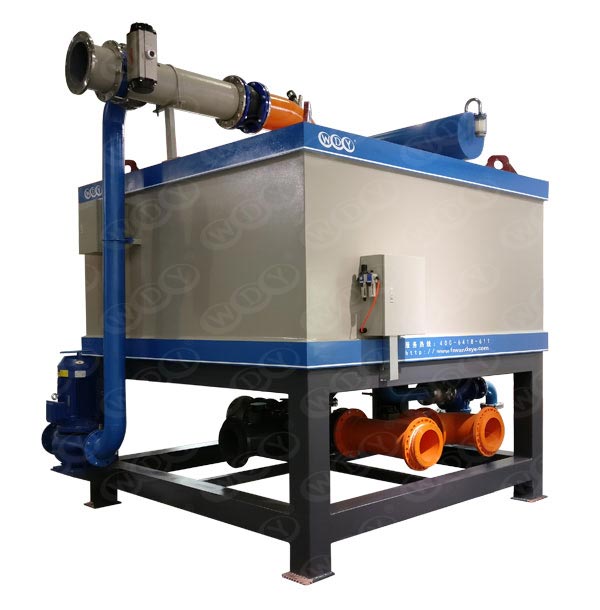
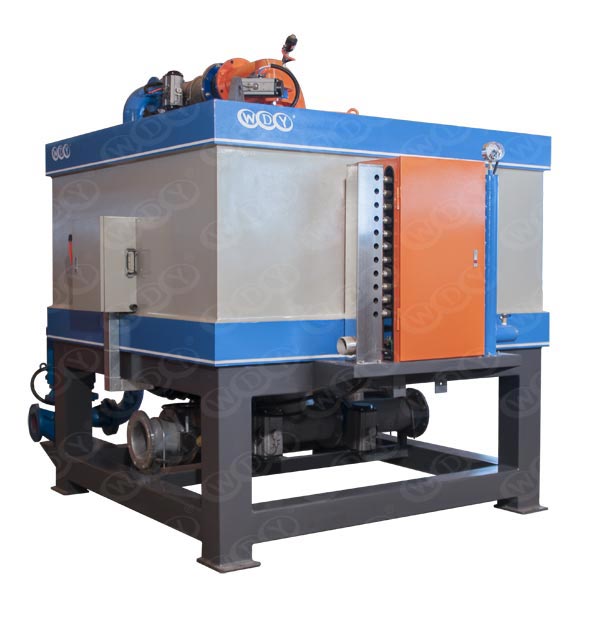
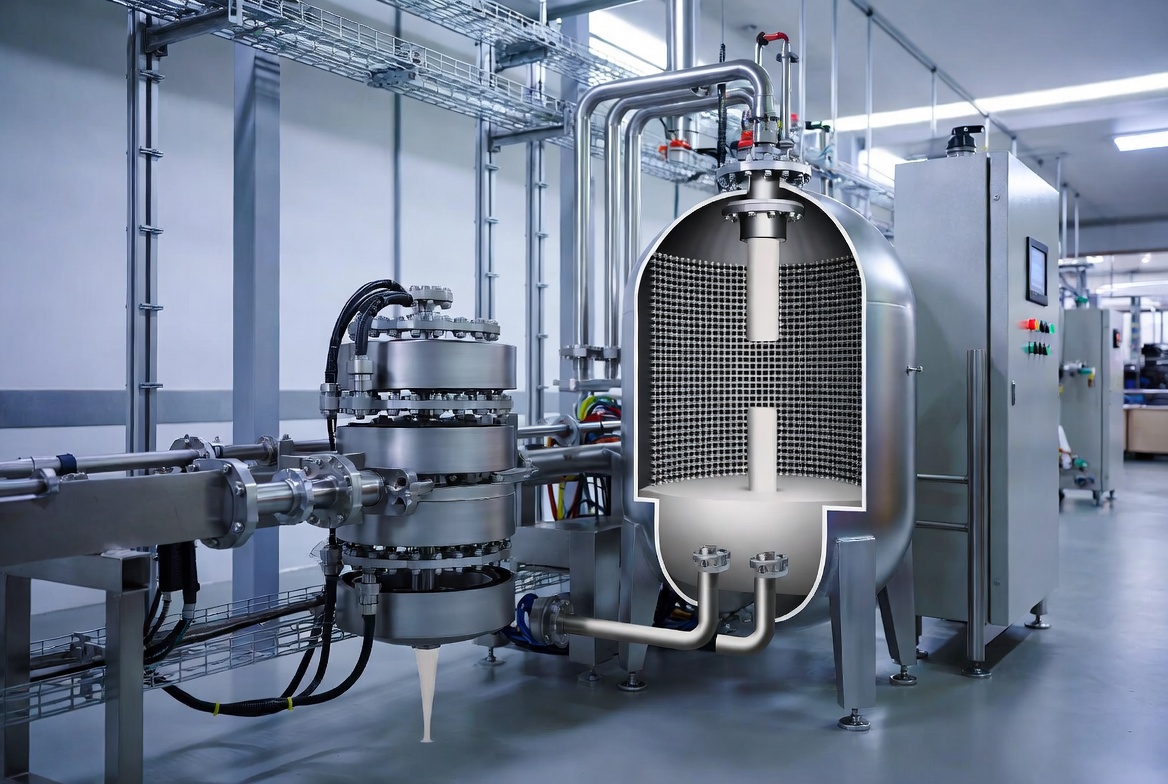
High gradient electromagnetic slurry separators create an intense magnetic field and a high field gradient in a stainless‑steel matrix, allowing them to capture very weakly magnetic particles from a flowing slurry. This technology is essential when customers demand ultra‑low iron content in ceramic glazes, quartz sand, lithium battery cathode/anode slurries, and electronic‑grade materials. [finance.yahoo]
Solutions such as Wandaye’s program‑controlled automatic oil‑cooling electromagnetic slurry separators combine strong magnetic performance with intelligent control, low temperature rise, and energy‑optimized designs, enabling stable 24/7 operation in demanding industrial environments. For plant owners, this means higher recovery, fewer quality complaints, and easier compliance with international export standards, especially in Europe, North America, and high‑end Asian markets. [dingsmagnets]
Role of Powder Magnetic Separators, Plates and Rods
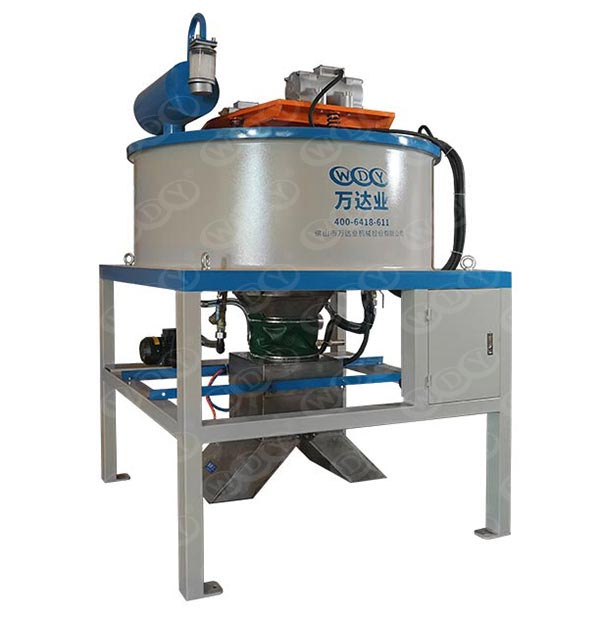
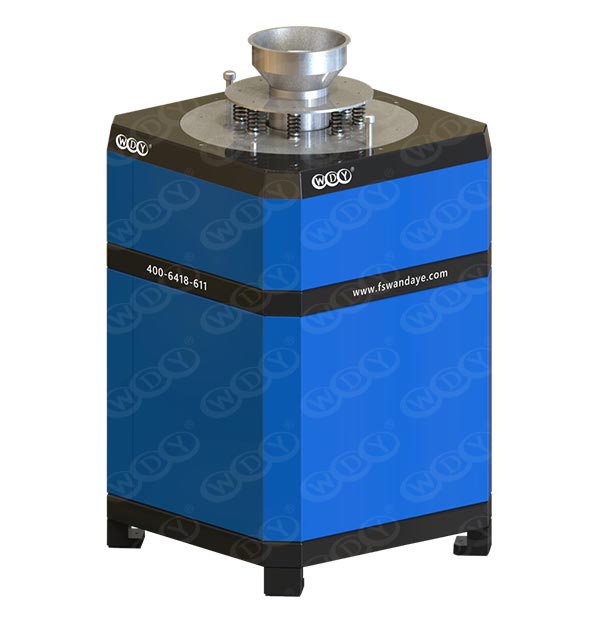
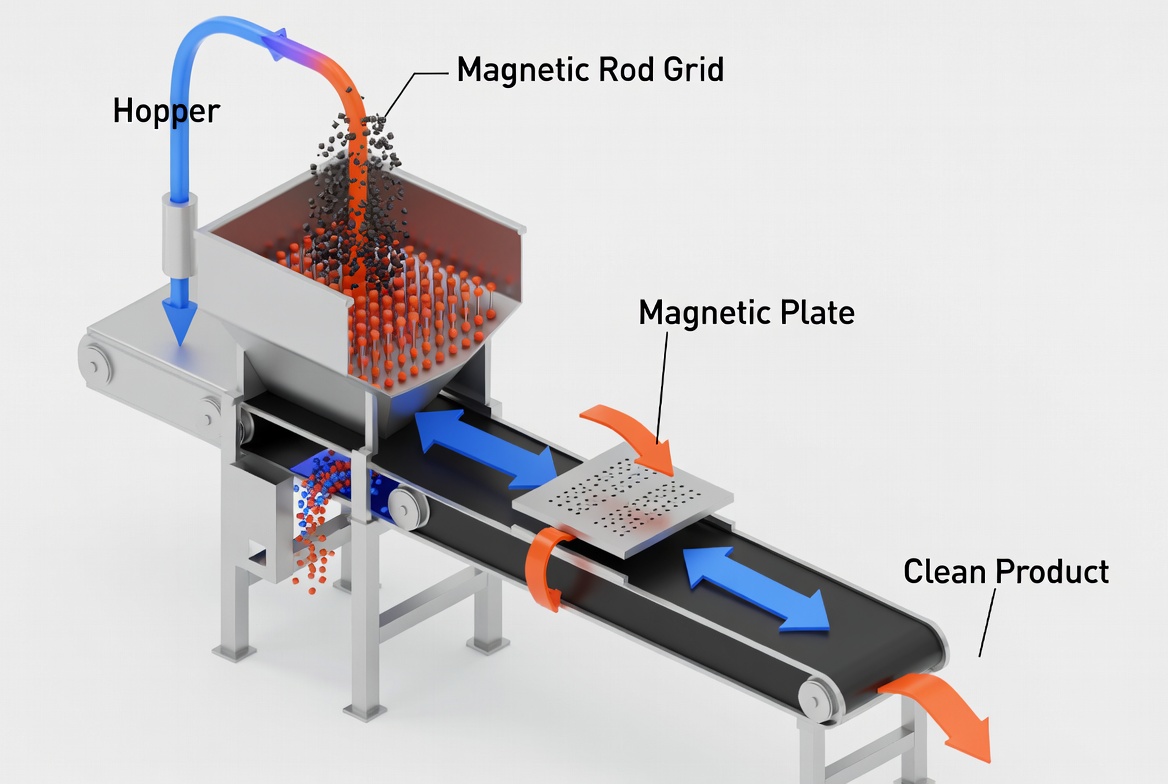
In powder processing lines, powder magnetic separators, magnetic plates, and magnetic rods are usually installed at key transfer points such as feeders, chutes, and packers. They intercept tramp iron, steel fragments, and fine ferromagnetic dust before these impurities enter mills, presses, or final packaging. [dingsmagnets]
For example, ceramic and plastics plants often use magnetic plates over belt conveyors, magnetic grids and rods in hoppers, and permanent magnetic separators in pneumatic conveying lines to create multiple defense layers. Manufacturers like Foshan Wandaye supply these components as part of a complete magnetic separation solution, from R&D and engineering design to on‑site installation and commissioning. [youtube]
Industry Use Cases
Mining and Mineral Processing
In iron ore, manganese, and chromite operations, process engineers still rely on gravity separation where there is a clear density contrast, but increasingly use magnetic separation, especially at fine sizes or when the ore body contains significant magnetic phases. Studies comparing gravity and magnetic separation show that magnetic methods can significantly improve recovery and grade for fine or weakly magnetic fractions, while gravity remains competitive on coarse, dense particles. [pmc.ncbi.nlm.nih]
For non‑metallic minerals like quartz, feldspar, and kaolin, high gradient magnetic separation has become the main method for iron removal, often replacing or minimizing gravity‑based steps. This transition reflects market demand for higher brightness, fewer black spots, and stable product quality in ceramics, glass, and electronics. [buntingmagnetics]
Ceramics, Glass, and New Energy Materials
Ceramic tile, sanitaryware, and tableware manufacturers use electromagnetic slurry separators in glaze and slip lines to remove iron contamination that would otherwise cause spots, color shifts, or firing defects. Similarly, the glass industry uses magnetic separators to ensure that raw material mixes and cullet streams are free of metal particles that could create bubbles or weaken the glass. [wdymagnetic]
In the rapidly growing lithium‑ion battery supply chain, high‑purity cathode and anode materials require tight control of metallic impurities, driving strong demand for high gradient slurry separators and precision powder magnetic separators. Global market reports indicate that the high gradient magnetic separator market is expanding rapidly toward 2026, supported by growth in new energy, environmental protection, and advanced materials. [linkedin]
Practical Selection Guide: Gravity vs Magnetic Separation
From a plant designer’s perspective, you can use a simple decision logic:
1. Is there a strong density contrast?
– Yes, and particles are relatively coarse → consider gravity separation as a cost‑effective first step. [jxscmineral]
– No, or material is ultra‑fine → gravity alone will struggle; evaluate magnetic or other methods. [prominetech]
2. Is the target phase magnetic or weakly magnetic?
– Yes → magnetic separation is necessary, especially at fine sizes. [minejxsc]
– No → gravity, flotation, or other physical/chemical methods may be required. [mineraldressing]
3. What purity does the end customer require?
– Standard grade → gravity plus basic magnetic removal of tramp iron may be enough. [dingsmagnets]
– High‑purity or export‑grade (ceramics, glass, food, pharma, batteries) → high gradient slurry separators, powder separators, and multi‑stage magnetic protection become essential. [finance.yahoo]
For companies like Foshan Wandaye’s customers in ceramics, plastics, food, pharmaceuticals, and positive/negative electrode materials, the answer is clear: gravity separation may exist upstream at the mine, but magnetic separation is the decisive technology inside the plant to secure quality and reduce risk. [buntingmagnetics]
Latest Trends and Technological Advancements
Recent industry reports highlight several trends in high gradient magnetic separation technology. First, there is a shift toward intelligent, program‑controlled systems that can automatically adjust field strength, flushing cycle, and operating parameters, improving recovery and reducing operator workload. [wdymagnetic]
Second, new designs, such as oil‑cooled electromagnetic coils and optimized magnetic circuit structures, reduce energy consumption and keep coil temperatures within safe limits, supporting long‑term stable operation. Finally, as environmental regulations tighten, many plants are upgrading from basic tramp‑iron magnets to complete high gradient separation lines, integrating slurry machines, powder separators, plates, rods, and monitoring systems from specialized manufacturers like Foshan Wandaye. [wdymagnetic]
Call to Action: Work With a Specialist Magnetic Separation Partner
If you operate in ceramics, glass, plastics, food, pharmaceuticals, mining, or battery materials, choosing between gravity separation and magnetic separation is no longer just a theoretical question—it directly affects your product quality, equipment safety, and profitability. Instead of relying on generic solutions, it is more effective to partner with a dedicated magnetic separation equipment manufacturer that understands your raw materials, production lines, and export requirements. [linkedin]
As a professional enterprise integrating R&D, engineering design, production line installation and commissioning, Foshan Wandaye can help you evaluate your existing process, design customized high gradient electromagnetic slurry machines, powder magnetic separators, permanent magnetic separators, magnetic plates, and rods, and implement a complete solution that fits your capacity and quality targets. You can contact their technical team to discuss your current challenges and request a tailored magnetic separation proposal for your plant. [en.fswandaye]
FAQs
1. Is gravity separation cheaper than magnetic separation?
In many mining applications, gravity separation has lower initial equipment cost and energy consumption, especially for coarse particles. However, when very high purity or fine particle treatment is required, magnetic separation often delivers better overall economics by increasing recovery, reducing rejects, and minimizing downstream defects or rework. [mineraldressing]
2. Can gravity and magnetic separation be used together in one plant?
Yes, modern beneficiation plants often use gravity separation for coarse pre‑concentration and magnetic separation for fine cleaning and iron removal. This flowsheet maximizes resource utilization: gravity removes bulk waste cheaply, while magnetic equipment focuses on high‑value fine fractions and quality control. [pmc.ncbi.nlm.nih]
3. What materials benefit most from high gradient electromagnetic slurry separators?
High gradient electromagnetic slurry separators are ideal for non‑metallic mineral slurries and advanced materials where very low iron content is required, such as kaolin, quartz, feldspar, ceramic body and glaze, and lithium battery cathode/anode slurries. These applications demand precisely the kind of high‑field, fine‑particle performance that conventional gravity methods cannot provide. [finance.yahoo]
4. How do magnetic plates and rods improve product quality?
Magnetic plates and rods installed in chutes, hoppers, and pipelines act as continuous protective filters, capturing tramp iron and small ferromagnetic particles before they enter critical equipment or final packaging. This reduces mechanical damage, prevents metal specks in the finished product, and helps plants comply with strict quality and safety standards, especially in food and pharmaceutical production. [dingsmagnets]
5. When should a plant upgrade from basic magnets to high gradient systems?
A plant should consider upgrading when customers start specifying stricter iron limits, when there are frequent quality complaints related to black spots or metallic inclusions, or when production shifts toward finer, higher‑value products. At that point, high gradient electromagnetic slurry separators and advanced powder magnetic separators can deliver measurable improvements in yield, consistency, and market competitiveness. [linkedin]
References
1. Mineral Dressing. “Manganese Beneficiation Methods: Gravity Vs Magnetic Separation.”
https://mineraldressing.com/blog/manganese-beneficiation-methods-gravity-vs-magnetic-separation/ [mineraldressing]
2. Promine Tech. “When Should Gravity vs. Magnetic Separation Maximize Chromite Recovery?”
https://www.prominetech.com/news/when-should-gravity-vs-magnetic-separation-maximize-chromite-recovery/ [prominetech]
3. K. Stubbs et al. “Exploring the Efficiency of Magnetic Separation and Gravity Separation Processes.”
https://pmc.ncbi.nlm.nih.gov/articles/PMC11355818/ [pmc.ncbi.nlm.nih]
4. JXSC Mineral. “Tin Ore Dressing: Gravity, Flotation And Magnetic Separation.”
https://www.jxscmineral.com/blogs/tin-ore-dressing-gravity-flotation-and-magnetic-separation/ [jxscmineral]
5. Mineral Dressing. “Comparison Of Limonite Gravity, Magnetic And Flotation Separation.”
https://mineraldressing.com/blog/comparison-of-limonite-gravity-magnetic-and-flotation-separation/ [mineraldressing]
6. Bunting. “Magnetic Separation in Mining and Mineral Processing.”
https://buntingmagnetics.com/blog/magnetic-separation-in-mining-and-mineral-processing [buntingmagnetics]
7. Dings Co. “Magnetic Separation for Mining and Aggregate Production.”
https://dingsmagnets.com/magnetic-separation-for-mining-and-aggregate/ [dingsmagnets]
8. JXSC. “The Role of Magnetic Separation in Diverse Industries.”
https://www.minejxsc.com/blog/what-is-magnetic-seperation/ [minejxsc]
9. Foshan Wandaye Technology Co., Ltd. “Official Website – Magnetic Separator R & D Manufacturer.”
http://en.fswandaye.com [en.fswandaye]
10. WDY Magnetic. “Products – Foshan Wandaye Technology Co., Ltd.”
https://www.wdymagnetic.com/products [wdymagnetic]
11. WDY Magnetic. “New Type Electromagnetic Slurry Magnetic Separator Series.”
https://www.wdymagnetic.com/products/new_type_electromagnetic_slurry_magnetic_separator_series [wdymagnetic]
12. Yahoo Finance. “High Gradient Magnetic Separators Market Report 2026.”
https://finance.yahoo.com/sectors/technology/articles/high-gradient-magnetic-separators-market-132400710.html [finance.yahoo]
13. LinkedIn. “Europe Electromagnetic Slurry High Gradient Magnetic Separator Market.”
https://www.linkedin.com/pulse/europe-electromagnetic-slurry-high-gradient-magnetic-separator-i7iye [linkedin]
Hot Tags: Gravity Separation, Magnetic Separation, Manufacturers, Customized, Custom, Suppliers, Buy, Cheap, Quality, Advanced, Durable, in Stock, Made in China, Price, Quotation