Content Menu
● About Foshan Wandaye Technology Co., Ltd.
● What Is a Magnetic Separator in C&D Recycling?
● Main Purposes of Magnetic Separator in C&D Facility
>> 1. Recover Valuable Ferrous Metals
>> 2. Improve Purity of Recycled Aggregates
>> 3. Protect Downstream Equipment
>> 4. Enhance Process Efficiency and Throughput
>> 5. Support Environmental Compliance and Sustainability
● Key Types of Magnetic Separator Used in C&D Facilities
>> Overhead Self‑Cleaning Electromagnetic Separators
>> Overhead Permanent Magnetic Separators
>> Magnetic Head Pulleys and Other Designs
● How Magnetic Separator Fits into a C&D Process Flow
● Why Choose Foshan Wandaye Magnetic Separator for C&D Facility?
● FAQ
>> 1. What types of magnetic separator are most common in C&D facilities?
>> 2. Where should a magnetic separator be installed in a C&D line?
>> 3. How does a magnetic separator improve recycled aggregate quality?
>> 4. What factors should be considered when selecting a magnetic separator for a C&D facility?
>> 5. Why is Foshan Wandaye a suitable partner for C&D magnetic separator projects?
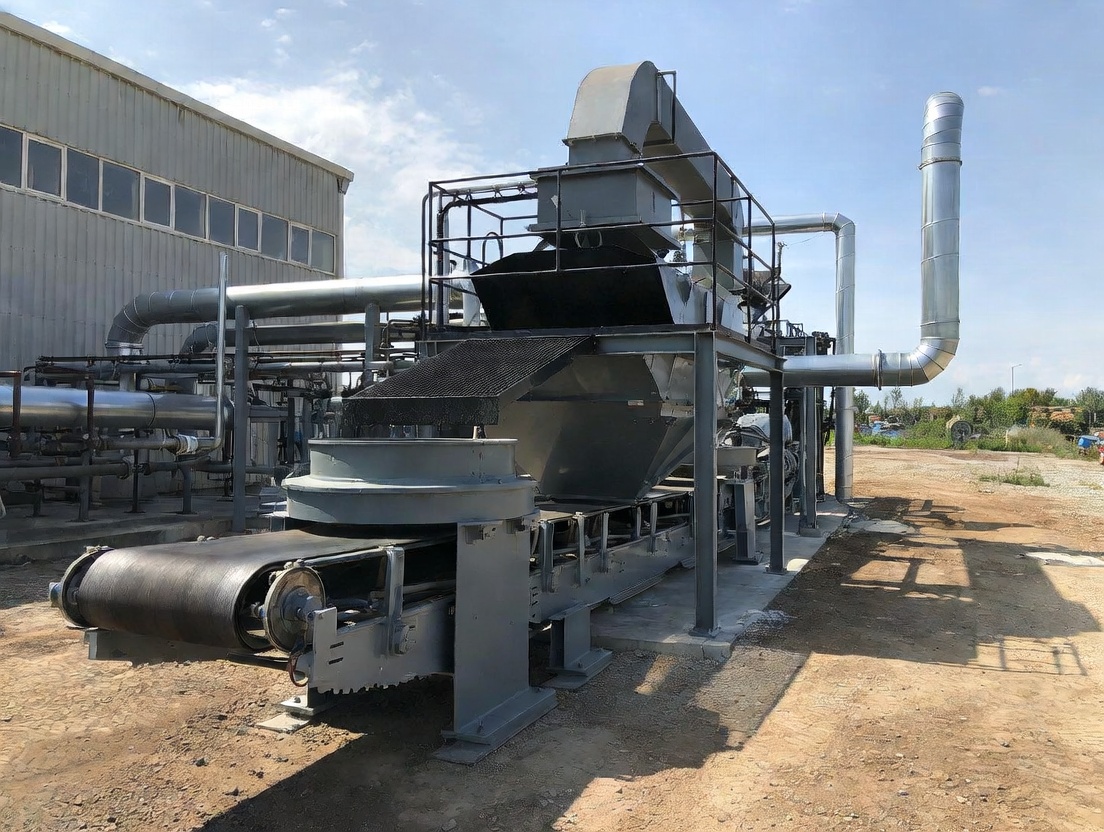
Foshan Wandaye Technology Co., Ltd. is a professional magnetic separator enterprise focusing on R&D, engineering design, production-line installation and commissioning services for multiple industries including mining, ceramics and pharmaceuticals.
In modern construction and demolition (C&D) facilities, a high‑performance magnetic separator is a core piece of recycling equipment that improves metal recovery, protects downstream machines and increases the value of recycled aggregates.
About Foshan Wandaye Technology Co., Ltd.
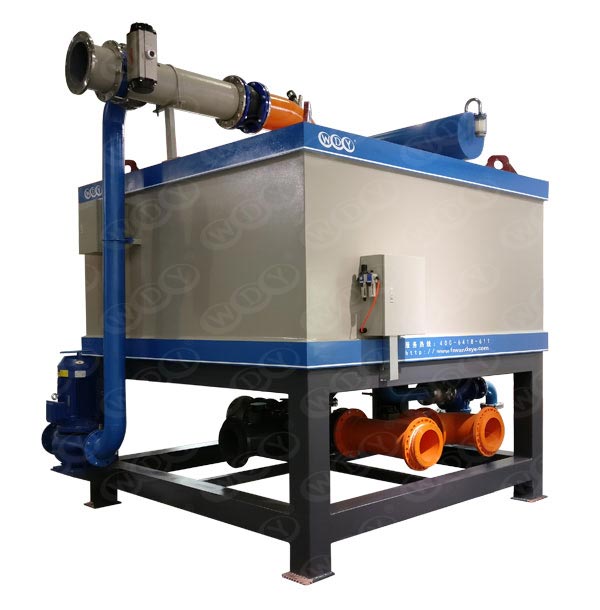
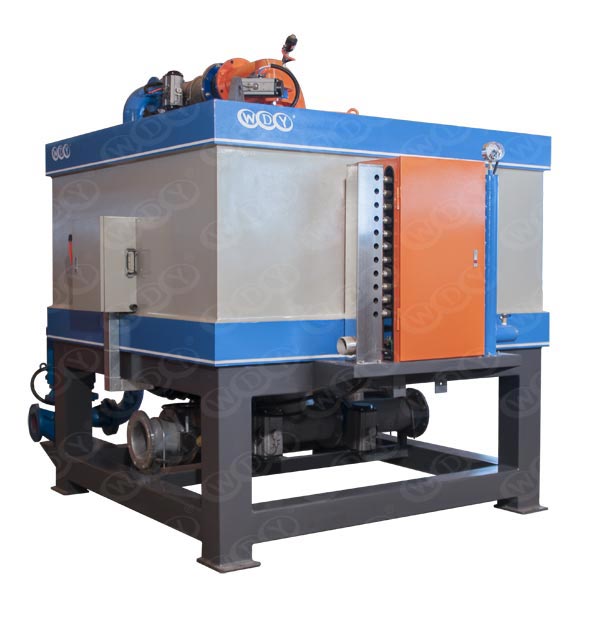
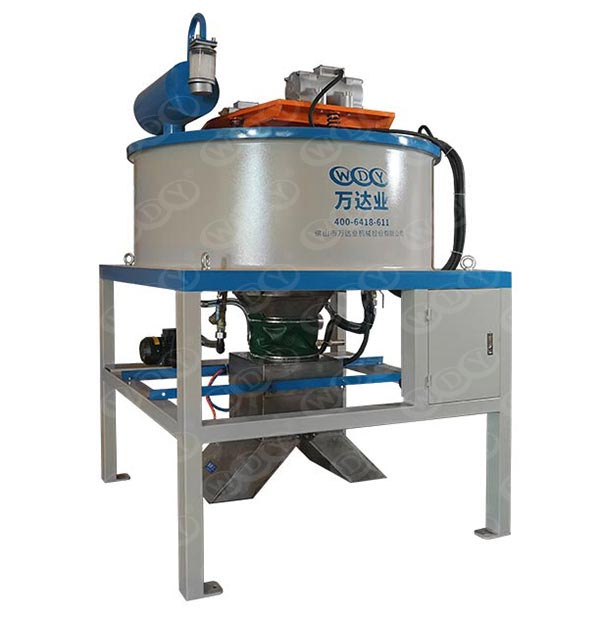
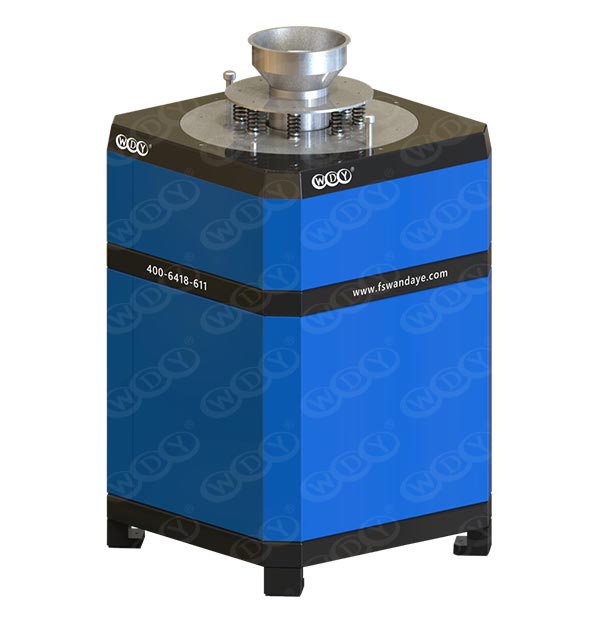
Foshan Wandaye Technology Co., Ltd. specializes in a full range of magnetic separator and iron removal equipment, including high gradient electromagnetic slurry machines, powder magnetic separator, permanent magnetic separator, vertical ring machines, magnetic plates, iron‑removal cabinets and magnetic rods.
The company integrates R&D, project design, equipment manufacturing, whole‑line engineering, installation and after‑sales service to deliver customized magnetic separator solutions for global customers.
Foshan Wandaye has successfully implemented many turnkey production line projects and exports magnetic separator equipment to overseas markets, providing professional magnetic separation solutions for customers who require stable, high‑efficiency ferrous removal.
With the concept of “High‑efficient – Energy‑saving – Environmental‑protection – Smart”, Wandaye has developed new‑generation magnetic separator models that can achieve significant energy‑saving performance compared with conventional equipment, helping C&D operators reduce operating costs and carbon footprint.
For C&D recycling, Foshan Wandaye can supply belt conveyor type magnetic separator, vertical ring high gradient magnetic separator, electromagnetic slurry separator series, powder magnetic separator and supporting iron‑removal components to build complete ferrous recovery systems.
By combining multiple magnetic separator types in one C&D facility, operators can effectively handle different burden depths, particle sizes and material compositions in construction and demolition waste streams and run the plant under more stable conditions.
What Is a Magnetic Separator in C&D Recycling?
In a C&D facility, a magnetic separator is an industrial machine that uses a magnetic field to automatically extract ferrous metals such as iron and steel from mixed construction and demolition waste streams.
Common ferrous items removed by the magnetic separator in C&D waste include steel plates, bolts, rebar, nails, screws, structural profiles and metallic fragments embedded in concrete rubble and masonry.
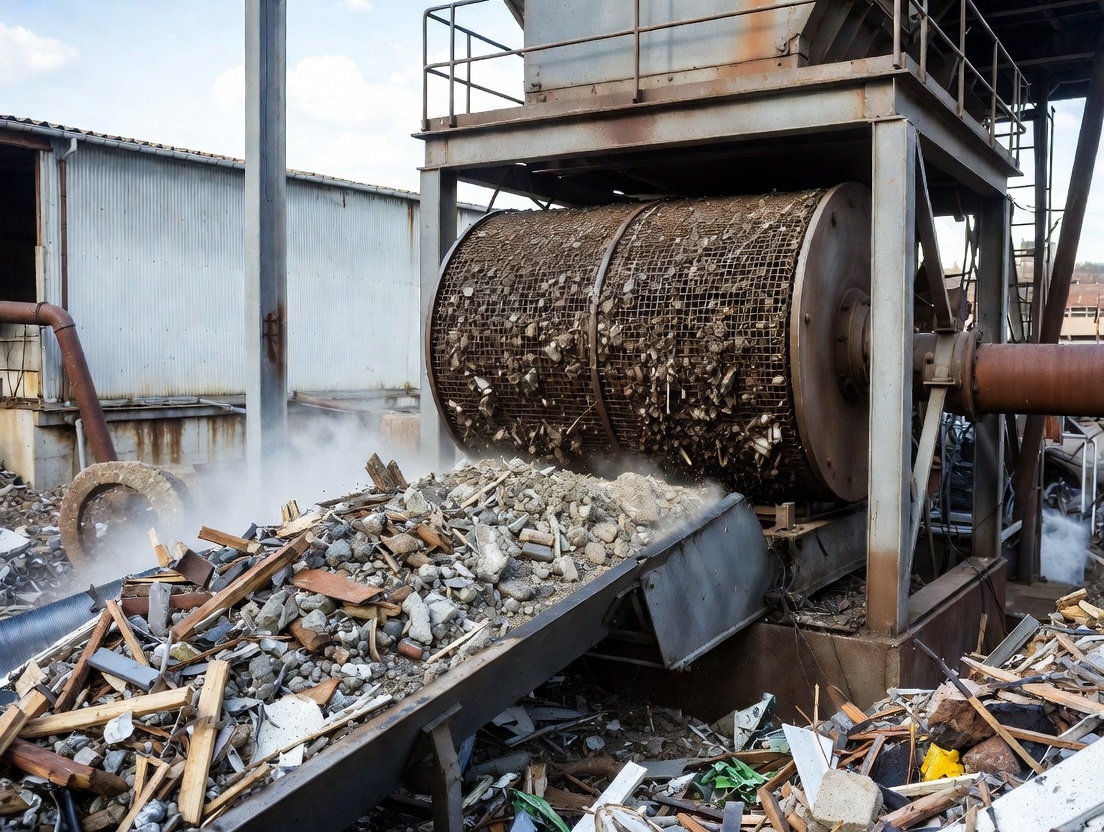
Magnetic separator equipment in waste and C&D applications is usually installed above or around conveyor belts, chutes or drums, so ferrous metals are attracted and removed while non‑magnetic materials continue along the line toward other sorting equipment.
A waste magnetic separator installed in a material recovery facility or C&D plant continuously purifies the waste stream, ensuring ferrous metals are recovered for recycling and tramp metal is removed before it can damage shredders, screens or crushers.
Main Purposes of Magnetic Separator in C&D Facility
1. Recover Valuable Ferrous Metals
The primary purpose of a magnetic separator in a C&D facility is to recover ferrous metals like iron and steel from mixed construction and demolition debris so they can be sold as recyclable scrap instead of being landfilled.
By using magnetic separator units such as overhead self‑cleaning electromagnets, suspension magnets or magnetic drums, C&D plants can continuously capture ferrous materials that would otherwise be lost in the residue fraction.
Recovered ferrous metals from C&D waste reduce the need to extract virgin raw materials and contribute to a more circular economy in the construction sector, which is under pressure to lower emissions and conserve natural resources.
Income from ferrous scrap recovered by the magnetic separator also improves the overall profitability of C&D recycling operations by transforming waste metal into a consistent revenue stream that helps offset processing costs.
Because C&D waste often contains heavy steel profiles, cut‑offs and rebar, a strong magnetic separator significantly increases the tonnage of marketable ferrous scrap, making the installation of such equipment one of the fastest‑payback investments in a C&D plant.
2. Improve Purity of Recycled Aggregates
Another important purpose of the magnetic separator in a C&D facility is improving the purity of recycled aggregates such as crushed concrete, recycled sand and mixed aggregates used as secondary construction materials.
When a magnetic separator removes steel rebar, nails and other ferrous contaminants, the resulting aggregates are cleaner and can meet higher quality specifications for use in road bases, sub‑bases, backfill and even some structural applications depending on local regulations.
Advanced processing systems that combine crushing, screening and magnetic separation can generate washed, recycled sand and aggregates suitable for a broad range of construction uses, helping replace natural sand and gravel from quarries.
Higher‑purity recycled aggregates produced with the help of a magnetic separator often command better market prices, reduce customer complaints and enjoy broader acceptance among contractors, ready‑mix producers and infrastructure owners.
C&D facilities that promote high‑quality recycled aggregates supported by strong magnetic separator performance can position themselves as reliable suppliers in long‑term infrastructure and building projects, strengthening their business model.
3. Protect Downstream Equipment
The magnetic separator in a C&D facility acts as a protective device that removes tramp metal before it reaches crushers, shredders, screens and other mechanical equipment that are sensitive to impact and wear.
Overhead self‑cleaning electromagnetic separators and deep draw drum magnetic separator units are often placed before critical machines to pull out heavy ferrous pieces hidden in the burden, reducing the probability of catastrophic failure.
By capturing scrap steel with a magnetic separator, C&D plants reduce the risk of machine damage, downtime and expensive repairs caused by unremoved metal parts striking hammers, cutting tools, liners or screen decks.
This protective function also decreases wear on bearings and other rotating components, extending the service life of equipment and stabilizing maintenance budgets while improving overall line availability.
In many modernization projects, adding or upgrading a magnetic separator has been one of the most effective methods to reduce unscheduled stops, giving plant managers more predictable operating schedules and lower lifecycle costs.
4. Enhance Process Efficiency and Throughput
Using the right magnetic separator configuration allows C&D facilities to handle higher throughput with fewer process disruptions, even when waste composition varies from project to project.
Heavy‑duty magnetic drum separators and overhead self‑cleaning electromagnets are specifically designed to work under high burden depths and continuous, high‑volume operations common in C&D recycling lines that run multiple shifts.
When ferrous metals are removed early by a magnetic separator, downstream separation steps such as eddy current separators and optical or sensor‑based sorting can work more efficiently on non‑ferrous metals, plastics, wood and paper because the flow is more homogeneous and less contaminated.
Optimized placement of magnetic separator units in the process line also reduces material recirculation, prevents blockages at chutes and transfer points and improves overall plant yield from the same input tonnage.
Engineering teams can use process simulations and on‑site testing to determine the best combination of conveyor speeds, burden depths and magnetic separator strengths, building a robust C&D circuit that can cope with fluctuating input quality without sacrificing throughput.
5. Support Environmental Compliance and Sustainability
Magnetic separator technology in C&D facilities plays a key role in reducing landfill disposal volumes and supporting environmental regulations that set minimum recycling and diversion targets for construction and demolition waste.
By efficiently extracting ferrous metals, a magnetic separator contributes to a lower carbon footprint because less energy is required to produce steel from recycled scrap than from virgin ore mined and processed in blast furnaces.
Effective magnetic separator systems enable C&D plants to recover metals, wood, paper, plastics and mineral materials as part of integrated sorting lines, making it easier to meet governmental recycling quotas and green building certification requirements.
Municipalities and green construction programs increasingly recognize the environmental benefit of C&D facilities that invest in advanced magnetic separator solutions, and such plants can use their performance as a marketing advantage when bidding for public projects.
For developers and contractors committed to sustainable construction, selecting C&D partners that operate efficient magnetic separator systems is a direct way to increase project recycling rates and support corporate social responsibility goals.
Key Types of Magnetic Separator Used in C&D Facilities
Overhead Self‑Cleaning Electromagnetic Separators
Overhead self‑cleaning electromagnetic separators are commonly used above conveyors in high‑throughput C&D recycling facilities to pull ferrous metal and even some stainless steel from heavy burden depths.
These magnetic separator units use an energized coil to create a deep, powerful magnetic field and an automatic cleaning belt that continuously discharges captured metal to a side chute, allowing non‑stop operation.
Because the magnetic field of an electromagnet can be stronger and deeper than that of a permanent magnetic separator, overhead electromagnets are preferred where burden depths are large and material size is coarse, such as after primary crushing of C&D waste.
C&D facilities can adjust the suspension height and position of the overhead magnetic separator to balance capture efficiency, energy consumption and mechanical clearance for oversized objects on the belt.
When designing a new C&D plant, engineers typically calculate belt width, burden depth, belt speed and expected ferrous loading to select an overhead electromagnetic magnetic separator with the correct magnetic field strength and mechanical dimensions.
Overhead Permanent Magnetic Separators
Overhead permanent magnetic separators use permanent magnets instead of energized coils, so the magnetic field is always available at peak strength without needing an external power supply.
These magnetic separator units are typically more compact and less expensive than electromagnets, making them well suited for portable C&D plants, smaller lines or areas with limited installation space.
Because permanent magnetic separator designs have a shallower magnetic field, they are best applied where burden depth is relatively shallow or where they are paired with another magnet, such as a crossbelt magnet combined with a magnetic head pulley on the same conveyor.
In C&D recycling, overhead permanent magnetic separator units are often used for lighter material streams, fines lines or secondary ferrous cleanup stages where only smaller tramp metal pieces remain.
Operators who need a simple, low‑maintenance magnetic separator solution that does not rely on continuous power supply often choose permanent magnets for reliability and ease of integration into existing conveyors.
Magnetic Drum Separators
Magnetic drum separators are widely used to remove and collect ferrous materials from construction and demolition recycling streams, especially in intermediate or final cleaning stages.
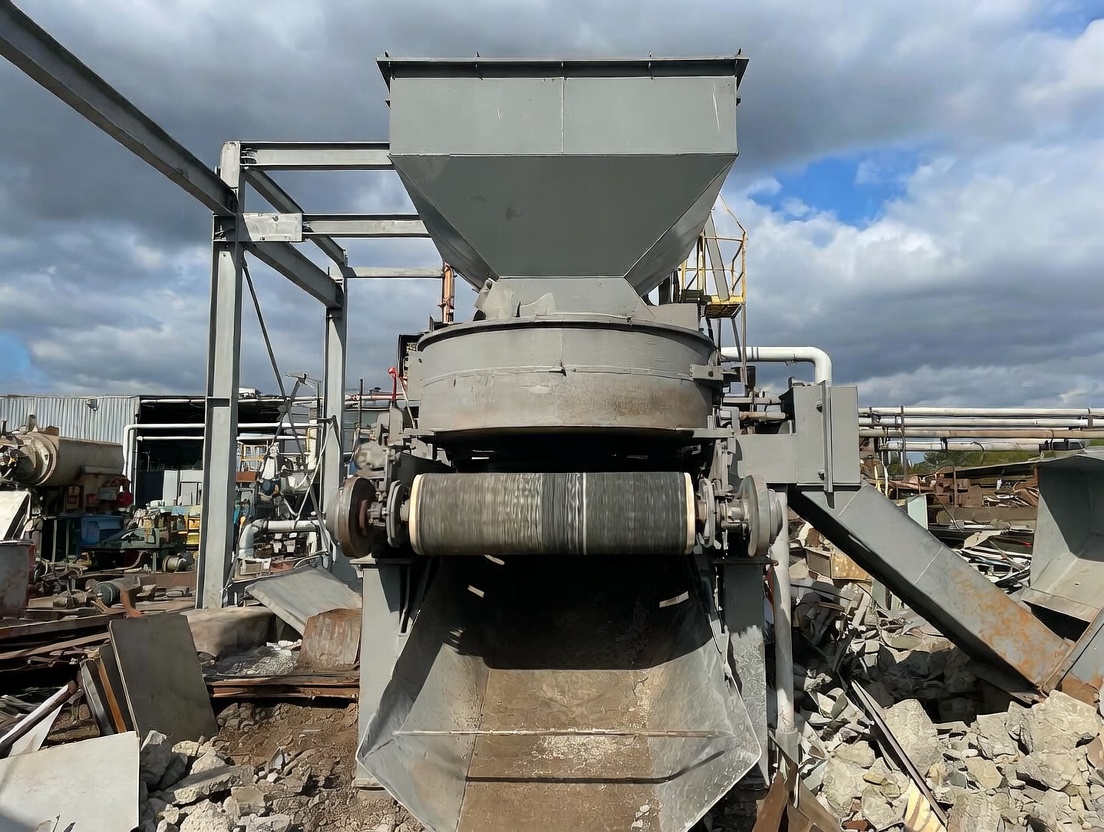
In these systems, material is fed onto the surface of a rotating stainless steel drum that encloses a stationary magnetic separator core; non‑magnetic material follows a normal trajectory off the drum while ferrous particles are held to the shell until they move out of the magnetic field and drop into a separate chute.
Deep draw drum magnetic separator designs achieve high throughput and are especially effective for heavy C&D burdens where ferrous pieces may be buried in the material flow, requiring strong surface contact and controlled trajectory separation.
Advanced drum magnetic separator circuits with optimized flux control minimize internal flux leakage and ensure stable performance over long operating periods, even under abrasive conditions typical of C&D waste.
By selecting drum magnetic separator sizes and magnet configurations suitable for different particle size ranges, C&D facilities can fine‑tune ferrous removal on both coarse and fine fractions of the waste stream.
Magnetic Head Pulleys and Other Designs
Magnetic head pulleys replace the head pulley of a conveyor with a magnetized pulley that acts as a continuous magnetic separator as material discharges over it.
These magnetic separator pulleys work best on shallow burden depths or in combination with upstream crossbelt magnets for more complete ferrous capture in C&D lines where space is limited for separate machines.
In addition to the main C&D equipment, other magnetic separator designs such as magnetic plates, grates and rods can be used in ancillary systems or in fine material lines to remove small iron particles and wire fragments that might otherwise remain hidden.
Selecting the correct combination of magnetic separator styles allows a C&D facility to achieve efficient ferrous separation at multiple stages and particle sizes, ensuring both high recovery rates and product quality.
For special applications like wet slurry processing or very fine particle removal, high gradient electromagnetic magnetic separator systems similar to those used in ceramics or mining can be integrated into C&D process water or fines treatment circuits.
How Magnetic Separator Fits into a C&D Process Flow
In a typical C&D facility, incoming mixed construction and demolition waste is first pre‑sorted with manual picking or mechanical grabs and then sent through primary size reduction such as shredders or crushers.
A strong magnetic separator is then installed on the main conveyor line after the initial size reduction to capture large ferrous items like rebar, beams and heavy plate that could damage downstream equipment or contaminate aggregates.
After this primary magnetic separator stage, material usually passes through screens and air classifiers that split the flow into different size fractions and density ranges.
Secondary magnetic separator units, such as drum magnets or magnetic head pulleys, may be placed on fine lines or return conveyors to remove remaining small iron particles before screening, eddy current separation or sensor‑based sorting of non‑ferrous metals and other materials.
The final process layout often includes multiple magnetic separator positions: at the primary main belt, above transfer points, on fines lines and near the end of the process before storage, helping the plant meet strict metal content specifications in outgoing products.
Why Choose Foshan Wandaye Magnetic Separator for C&D Facility?
Foshan Wandaye Technology Co., Ltd. offers a broad portfolio of magnetic separator products—such as belt conveyor type magnetic separator, vertical ring high gradient magnetic separator, electromagnetic slurry separator and powder magnetic separator—that can be adapted to C&D recycling requirements and harsh working environments.
With extensive application experience in mining, ceramics, pharmaceuticals and other sectors, Wandaye engineers can design magnetic separator systems that handle abrasive, high‑load and high‑moisture conditions similar to those in C&D facilities where dust and impact loads are common.
The company can provide whole‑line engineering solutions that integrate magnetic separator modules with conveyors, feeders, chutes and downstream separation equipment, ensuring smooth installation, commissioning and long‑term technical support.
By choosing Foshan Wandaye as a partner, C&D operators gain access to tailored magnetic separator configurations, energy‑saving technologies and comprehensive service packages that help optimize metal recovery and plant uptime over the entire lifecycle of the equipment.
Foshan Wandaye can also assist customers with process testing, sample evaluation and equipment selection, helping C&D facilities confirm the performance of different magnetic separator options before full‑scale investment and line transformation.
Conclusion
In a modern C&D facility, the magnetic separator is a critical machine that recovers valuable ferrous metals, improves the purity of recycled aggregates, protects downstream equipment and supports environmental compliance and sustainability goals.
By combining overhead magnets, drum magnetic separator units, magnetic head pulleys and auxiliary magnetic separator designs, C&D plants can achieve efficient, multi‑stage ferrous recovery across different burden depths and particle sizes while maintaining high throughput and stable operation.
Foshan Wandaye Technology Co., Ltd. provides advanced magnetic separator technologies and complete engineering services that can be customized for the demanding conditions of C&D recycling lines, offering energy‑saving solutions with strong magnetic performance and reliable structures.
Partnering with an experienced magnetic separator manufacturer such as Foshan Wandaye enables C&D facilities to increase metal recovery, upgrade product quality, reduce maintenance risks and operate more safely, profitably and sustainably in a competitive market.
Contact us to get more information!
FAQ
1. What types of magnetic separator are most common in C&D facilities?
In C&D facilities, the most common types of magnetic separator are overhead self‑cleaning electromagnetic separators, overhead permanent magnetic separators, deep draw drum magnetic separators and magnetic head pulleys.
These magnetic separator designs are often combined in one plant to handle varying burden depths and particle sizes in mixed construction and demolition waste streams, ensuring both high ferrous recovery rates and clean final products.
2. Where should a magnetic separator be installed in a C&D line?
A strong magnetic separator is usually installed after primary crushing or shredding, suspended over the main conveyor to remove large ferrous items early in the process before they can damage sensitive equipment.
Additional magnetic separator units, such as drums or head pulleys, can be added on secondary and fines lines to capture smaller iron particles before screening, eddy current separation or sensor‑based sorting stages, improving overall line efficiency.
3. How does a magnetic separator improve recycled aggregate quality?
By removing steel rebar, nails, bolts and other ferrous contaminants, a magnetic separator produces cleaner recycled aggregates with fewer metallic inclusions, which helps meet technical requirements and reduces risks in structural applications.
Higher‑purity aggregates generated with the aid of a magnetic separator can achieve stronger market acceptance and better prices, giving C&D recyclers a competitive advantage when supplying materials for roads, foundations and backfill projects.
4. What factors should be considered when selecting a magnetic separator for a C&D facility?
When choosing a magnetic separator, C&D operators should consider burden depth, belt width, material size distribution, throughput, required removal efficiency, available installation space and the physical characteristics of the waste stream.
They should also decide between permanent and electromagnetic separator designs, self‑cleaning versus manual cleaning styles and the need for multiple magnetic separator stages in the line to achieve the desired balance of performance, energy use and investment cost.
5. Why is Foshan Wandaye a suitable partner for C&D magnetic separator projects?
Foshan Wandaye Technology Co., Ltd. is a specialized magnetic separator enterprise with a complete portfolio of high gradient electromagnetic, powder and permanent magnetic separator equipment and a strong background in whole‑line engineering for industrial separation projects.
The company’s experience in complex separation tasks and its energy‑saving, environmentally focused magnetic separator designs make it well suited to support C&D facilities seeking reliable ferrous recovery solutions and long‑term technical cooperation.
Citations:
1. https://www.wdymagnetic.com
2. http://en.fswandaye.com/About-Us/
3. https://www.wdymagnetic.com/products
4. https://www.wdymagnetic.com/products/belt_conveyor_type_magnetic_separator_series
5. http://en.fswandaye.com
6. https://dingsmagnets.com/magnetic-separators-for-construction-amp-demolition-recycling-applications/
7. https://www.jkmagnetic.com/top-magnetic-separators-for-cd-waste-recycling/
8. https://www.wdymagnetic.com/products/electromagnetic-slurry-separator-series
9. https://www.okonrecycling.com/magnet-recycling-and-applications/sustainability-and-magnets/magnetic-separators-repurpose/
10. https://magneticseparations.com/waste-recycling/
11. https://magnetii.goldsupplier.com/1338404-Dry-Magnetic-Separator/
12. https://www.blueline-recycling.com/en/pp/magnetic-separators/
13. https://www.okonrecycling.com/magnet-recycling-and-applications/sustainability-and-magnets/magnetic-drum-separator-recycling/
14. https://www.facebook.com/wjdmagneticseparator/
15. https://www.mswsorting.com/Products/Waste-Magnetic-Separator.html
16. https://ejetmagnet.com/products/cd-waste-recycling-2/
Hot Tags: Magnetic Separator in C&D Recycling, Construction and Demolition Waste Separation, Magnetic Separation for Scrap Metal Recovery, C&D Facility Metal Removal Equipment, Magnetic Separator for Construction Waste, Ferrous Metal Recovery in Recycling Plants, Industrial Magnetic Separation Systems, Overband Magnetic Separator C&D Waste, Recycling Facility Magnetic Separation, Metal Contamination Removal Construction Debris