Content Menu
● What Is Magnetic Separation and Why It Matters
● Core Keywords and Typical Use Cases
● How Magnetic Separation Works
● Dry vs Wet Magnetic Separation
● Types of Magnetic Separators and Their Applications
>> Magnetic Pulleys and Overband Separators
>> Magnetic Grids, Grates and Hopper Magnets
>> High Gradient Magnetic Separators (HGMS)
● Magnetic Field Intensity: Low, Medium and High
● Key Industries Using Magnetic Separation
● Practical Selection Guide: How to Choose the Right Magnetic Separator
>> Step 1 – Define Your Material Characteristics
>> Step 2 – Clarify Your Process Objective
>> Step 3 – Select Separator Type and Intensity
>> Step 4 – Consider Cleaning, Validation and Maintenance
● Example Applications in Ceramics and Mining
● Environmental and Regulatory Benefits
● Why Partner With Foshan Wandaye for Magnetic Separation Solutions
● Take the Next Step: Consult Foshan Wandaye for Your Magnetic Separation Project
● FAQ: Magnetic Separation and Magnetic Separators
>> FAQ 1. What is the difference between magnetic separation and metal detection?
>> FAQ 2. Can magnetic separators capture stainless steel particles?
>> FAQ 3. How often should magnetic separators be cleaned and inspected?
>> FAQ 4. Do magnetic separators affect product temperature or quality?
>> FAQ 5. What information do I need to size a magnetic separator correctly?
Magnetic separation has become a critical technology for removing ferrous contamination and upgrading raw materials in mining, ceramics, pharmaceuticals and many other process industries. This guide explains how magnetic separation works, compares key separator types, and shows how manufacturers like Foshan Wandaye Technology Co., Ltd. help you design efficient, compliant magnetic separation systems for your production lines.
What Is Magnetic Separation and Why It Matters
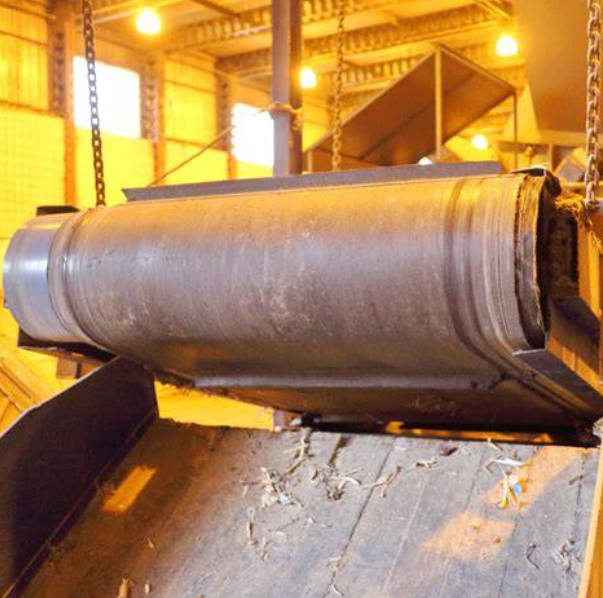
Magnetic separation is a physical separation process that uses a magnetic field to remove magnetic or weakly magnetic particles from a bulk material stream. It is widely used to protect downstream equipment, improve product purity and meet strict food, pharma and environmental regulations.
In industrial applications, magnetic separation can handle dry powders, granules, slurries and liquids, making it highly versatile for production lines and continuous processing. Well designed systems reduce unplanned downtime and improve yield, delivering a fast return on investment for production plants.
Core Keywords and Typical Use Cases
Core keyword focus: magnetic separation, magnetic separator, iron removal equipment, high gradient magnetic separator, magnetic separation equipment, magnetic iron remover.
Typical use cases include:
– Mining and mineral processing, such as magnetite, hematite and ilmenite upgrading.
– Ceramics and glass, removing iron stains to improve whiteness and product value.
– Food and grain, eliminating tramp iron to meet HACCP and retailer standards.
– Pharmaceuticals and chemicals, capturing fine ferrous particles for safety and purity.
– Plastics, recycling and non woven materials, protecting shredders, extruders and calenders.
These scenarios all benefit from properly specified magnetic separation equipment that delivers stable performance and easy maintenance.
How Magnetic Separation Works
Magnetic separation relies on the difference in magnetic susceptibility between particles in a material stream. When a mixture of particles passes through a magnetic field, magnetic and weakly magnetic particles experience a magnetic force, while non magnetic particles do not.
A simplified process looks like this:
1. Feed introduction – Material enters the separation zone as a dry flow or slurry.
2. Magnetic field exposure – A permanent magnet or electromagnet creates a magnetic field gradient that attracts ferrous or weakly magnetic particles.
3. Differential movement – Magnetic particles deviate from their natural path under magnetic force, while non magnetic particles keep moving under gravity, centrifugal force or fluid drag.
4. Collection and discharge – Magnetic particles are held on a drum, grid, plate or matrix and then discharged separately, either continuously or during a cleaning cycle.
The key performance driver is the magnetic force, which depends on both magnetic field intensity and field gradient, especially for fine or weakly magnetic particles. Properly matching these parameters to your material is essential for efficient separation.
Dry vs Wet Magnetic Separation
Dry Magnetic Separation
Dry magnetic separation is performed in air and is typically used for coarse materials and free flowing powders. It is widely applied in:
– Primary separation of strong magnetic ores such as magnetite.
– Removing tramp iron from conveyor fed bulk materials in mining, cement and aggregates.
Key advantages of dry magnetic separation include simpler installation, no water consumption, and easier integration on existing conveyor systems. It is often the first choice in harsh environments or remote locations where water supply is limited.
Wet Magnetic Separation
Wet magnetic separation is carried out in a slurry, often in high gradient or high intensity magnetic separators. It is essential for:
– Fine grained, weakly magnetic minerals such as hematite or ilmenite.
– Slurry based processes in ceramics, kaolin, pigments and pharmaceutical intermediates.
Wet systems provide higher separation efficiency for fine particles but require proper slurry handling, pump selection and process control. When designed correctly, wet magnetic separators significantly improve product quality while minimizing valuable mineral losses.
Types of Magnetic Separators and Their Applications
Magnetic Drum Separators
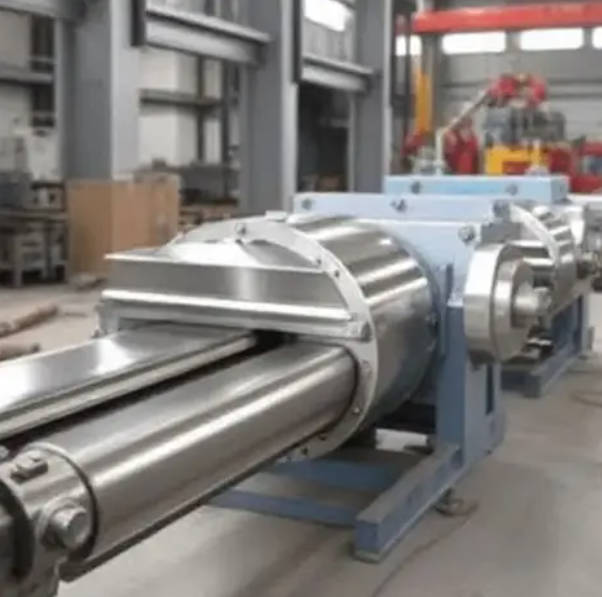
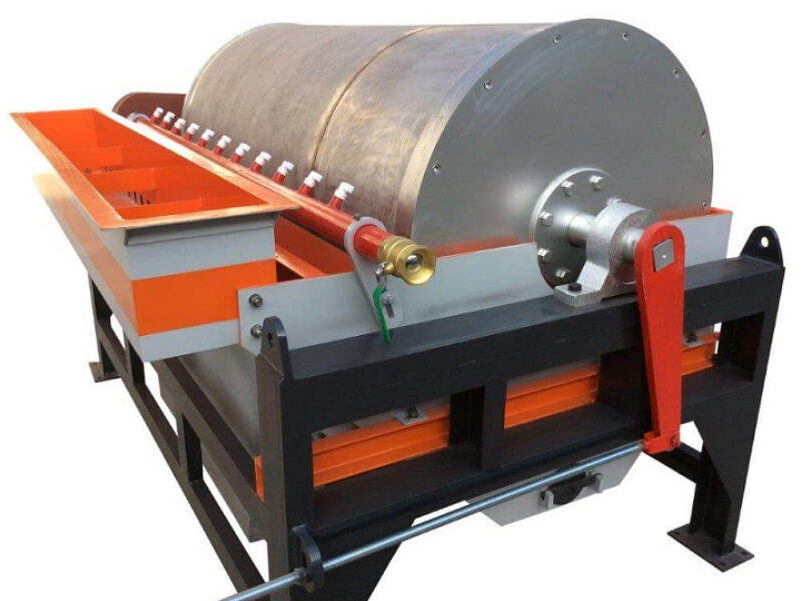
Magnetic drum separators are rotating cylindrical devices used for continuous removal of ferrous materials from high volume dry or wet flows. They are widely used in mining, aggregates and recycling plants handling large tonnages.
These drums can be configured as low intensity units for strong magnetic ores or as higher intensity versions for finer materials. They offer robust construction, continuous operation and low operating costs, making them a workhorse in many beneficiation circuits.
Magnetic Pulleys and Overband Separators
Magnetic pulley separators replace or work with conveyor head pulleys to automatically discharge tramp iron away from the main product stream. They are common in cement, aggregates, coal and metal recycling lines, where continuous tramp iron removal is essential.
Overband magnetic separators are suspended above conveyors to capture larger ferrous pieces from bulk flows. By removing large nuts, bolts, tools and wear pieces, they effectively protect crushers, shredders and grinders from damage and costly downtime.
Magnetic Grids, Grates and Hopper Magnets
Magnetic grids and grate magnets consist of arrays of magnetic tubes arranged in a grid pattern inside housings, hoppers or chutes. They are ideal for free flowing powders and granules in food, grain, plastics and chemical applications.
Hopper magnets and wedge magnets are compact designs used in vertical pipes or hopper inlets to protect pellet mills, feeders and injection molding machines. These solutions provide a high intensity magnetic field directly in the product stream, capturing fine ferrous fragments and metal fines before they reach critical equipment.
Plate Magnets
Plate magnets are flat, rectangular magnet assemblies mounted in chutes, over belt conveyors, or under product flows. They handle powdery, moist, lumpy and abrasive materials where deep penetration into the flow is needed.
By positioning plate magnets correctly, plants can intercept tramp metal as it passes, reducing wear on downstream machinery and improving product cleanliness. They are widely used in food, grain, recycling and bulk solid handling systems.
Magnetic Liquid Traps
Magnetic liquid traps use high intensity magnetic rods inside a stainless steel housing to filter ferrous particles from liquid or semi liquid products. They are installed in liquid processing lines in food, beverage, grain milling and chemical plants.
These traps are designed to handle viscous, acidic or high temperature liquids when properly specified. They deliver reliable metal removal without introducing filter media, which helps to reduce pressure loss and maintenance effort in hygienic processes.
High Gradient Magnetic Separators (HGMS)
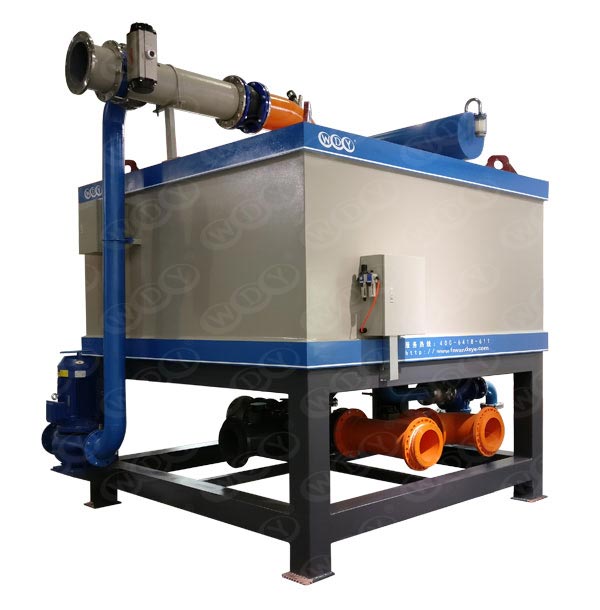
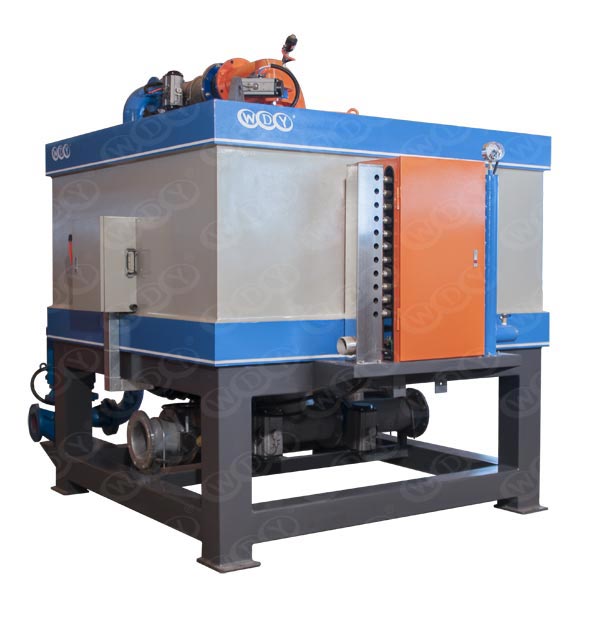
High Gradient Magnetic Separators create very high field intensities and gradients in a packed steel wool or matrix. They are essential for weakly magnetic, fine particles that cannot be captured by standard low intensity equipment.
HGMS units are broadly used in mineral processing, ceramics, pigments and biotechnology for precise purification. They enable producers to achieve high recovery and high purity at the same time, especially in demanding fine particle applications.
Magnetic Field Intensity: Low, Medium and High
In industrial practice, magnetic separators are often classified by magnetic field intensity. Understanding these levels helps engineers choose a suitable solution for each application.
– Low intensity magnetic separators (LIMS) are designed for strongly magnetic minerals such as magnetite and are typically used for coarse separations in mining.
– Medium intensity magnetic separators (MIMS) are suitable for materials like hematite that require more field strength than LIMS but less than high intensity units.
– High intensity and high gradient magnetic separators (HIMS / HGMS) are developed for weakly magnetic, fine particles and ultra fine iron removal.
Choosing the right intensity is critical to balancing recovery, grade and energy consumption. An underspecified unit will miss valuable material, while an oversized system may increase costs without adding value.
Key Industries Using Magnetic Separation
Magnetic separation is now recognized as a core risk control and quality assurance step across many sectors. Typical industry applications include:
– Food and beverage – Multiple magnetic stages capture ferrous pieces, fines and wear debris before packaging to meet retailer and regulatory standards.
– Pharmaceuticals and fine chemicals – Magnetic filters help prevent cross contamination and equipment damage, supporting GMP compliance and product integrity.
– Mining and mineral processing – Magnetic separators upgrade ore grade, reduce tailings, and protect crushers and mills from tramp iron.
– Ceramics and glass – High gradient separators remove iron staining to improve whiteness and surface quality, especially in tiles and sanitary ware.
– Plastics, non woven and recycling – Magnetic systems protect shredders, granulators and extruders while improving the quality of recycled output.
In each of these industries, correctly designed magnetic separation systems are closely linked to safety, product quality and operating cost control.
Practical Selection Guide: How to Choose the Right Magnetic Separator
Step 1 – Define Your Material Characteristics
Start by describing your material in as much detail as possible:
– Particle size range, for example coarse, fine or ultra fine.
– Bulk property, such as dry powder, granules, slurry or viscous liquid.
– Temperature, pH, abrasiveness and moisture content.
– Expected level and type of metal contamination, from large tramp pieces to micron scale fines.
These parameters determine whether you should use dry or wet magnetic separation, as well as the required magnetic field strength and separator design.
Step 2 – Clarify Your Process Objective
Define clearly what you want your magnetic separator to achieve:
– Equipment protection and tramp metal removal.
– Product purity and maximum allowed metal contamination level.
– Mineral beneficiation targets, such as concentrate grade and recovery.
– Regulatory and customer compliance requirements.
Different goals call for different separator configurations and sometimes multiple stages of separation in series.
Step 3 – Select Separator Type and Intensity
Use the following simplified guidelines as a starting point:
– Choose drum, pulley or overband separators for bulk tramp iron removal on conveyors and transfer points.
– Choose grates, grids and hopper magnets for fine contamination in powders and granules.
– Choose liquid traps for inline liquid purification in food, beverage and chemical lines.
– Choose high gradient or high intensity magnetic separators for weakly magnetic, fine particles and precision purification.
Field intensity should be specified according to the magnetic properties of the target particles and the desired separation efficiency. For demanding applications, it is often best to run sample tests with your supplier.
Step 4 – Consider Cleaning, Validation and Maintenance
Magnetic separators need regular cleaning and validation to perform reliably. When selecting a system, consider:
– Manual, semi automatic or fully automatic cleaning cycles depending on contamination load and labor availability.
– Accessibility for inspection and documentation in hygienic industries such as food and pharma.
– Design features that minimize bridging, dead zones and product buildup.
– Availability of spare parts, local service and remote support.
By integrating these factors into the design stage, you avoid costly modifications and extended downtime later in the equipment life cycle.
Example Applications in Ceramics and Mining
In a ceramic tile plant, high gradient magnetic separators installed in the slip and glaze lines can remove fine iron contamination from clays and feldspars. This directly improves whiteness, reduces surface defects and increases the selling price of the final product.
In a mining operation, a sequence of low intensity drum separators followed by high gradient units can first recover coarse magnetite and then upgrade weakly magnetic hematite or ilmenite fractions. This staged approach maximizes overall recovery and ore utilization while limiting energy use and tailings volume.
Both examples demonstrate how a well engineered magnetic separation system can deliver measurable commercial value, not just process safety.
Environmental and Regulatory Benefits
Magnetic separation is a clean, physical separation method that does not rely on chemical reagents or consumable filter media. It helps plants lower waste generation, reduce water treatment loads and support circular economy initiatives in recycling and resource recovery.
In food, dairy and pharma, magnetic systems form part of a broader HACCP and GMP strategy. By reducing product recalls, customer complaints and brand damage linked to metal contamination, they provide a strong business case in addition to regulatory compliance.
Why Partner With Foshan Wandaye for Magnetic Separation Solutions
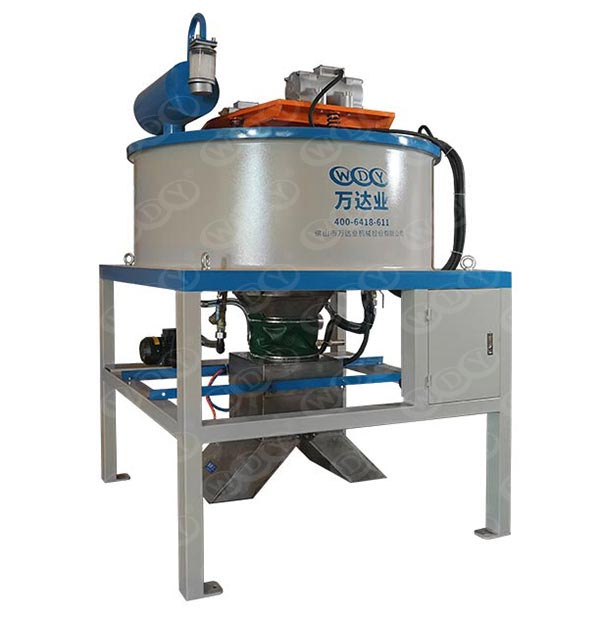
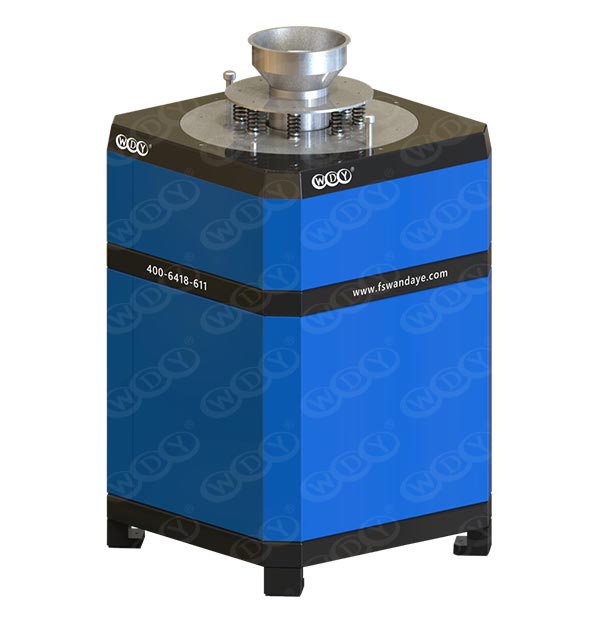
Foshan Wandaye Technology Co., Ltd. is a specialized magnetic separator manufacturer integrating research and development, engineering design, production line installation and commissioning services. The company offers a full portfolio including high gradient electromagnetic slurry separators, powder magnetic separators, permanent magnetic separators, electromagnetic vertical ring machines, magnetic plates, iron removal cabinets and magnetic rods.
Guided by the development concept of high efficiency, energy saving, environmental protection and smart control, Wandaye has introduced new generations of separators that significantly improve energy efficiency compared with conventional designs. The company works closely with industry experts and engineers to tailor solutions for mining, ceramics, pharmaceuticals, food processing and other demanding process environments.
By combining application testing, process simulation and on site service, Wandaye helps customers design stable, cost effective magnetic separation and iron removal systems that match their real world operating conditions.
Take the Next Step: Consult Foshan Wandaye for Your Magnetic Separation Project
If you are planning a new production line, solving a contamination problem or upgrading existing iron removal equipment, now is the right time to talk with an experienced magnetic separation partner. Foshan Wandaye Technology Co., Ltd. can evaluate your raw materials, analyze your process requirements and design a customized combination of dry and wet magnetic separators for your mining, ceramic, pharmaceutical, food or chemical applications.
Contact Foshan Wandaye today to request a technical consultation, send material samples for testing, or schedule on site support for your next magnetic separation upgrade. By working closely with Wandaye’s engineering team, you can build a high efficiency, low maintenance magnetic separation system that protects your equipment, stabilizes product quality and strengthens your competitiveness in global markets.
Contact us to get more information!
FAQ: Magnetic Separation and Magnetic Separators
FAQ 1. What is the difference between magnetic separation and metal detection?
Magnetic separation physically removes magnetic or weakly magnetic particles from the product stream, while metal detection only identifies the presence of metal and typically triggers rejection or alarms. In many production lines, metal detectors and magnetic separators are used together to create a layered protection system.
FAQ 2. Can magnetic separators capture stainless steel particles?
Standard low intensity magnets mainly capture carbon steel, but higher intensity rare earth and high gradient systems can attract some grades of work hardened or slightly magnetic stainless steel. To capture stainless particles effectively, you usually need high intensity magnetic fields, optimized product flow and appropriate positioning of magnetic elements.
FAQ 3. How often should magnetic separators be cleaned and inspected?
Cleaning frequency depends on contamination levels, process criticality and industry standards. Food and pharma plants typically combine scheduled cleaning with documented inspections as part of their HACCP or GMP programs, while mining operations may adjust cleaning intervals based on contamination load and equipment condition monitoring.
FAQ 4. Do magnetic separators affect product temperature or quality?
Magnetic separators operate passively and do not normally heat the product. However, materials with high abrasiveness, high temperature or extreme pH require appropriate housing materials and magnet selection to maintain performance and hygiene. Correct design ensures that magnetic separation improves product quality without introducing new risks.
FAQ 5. What information do I need to size a magnetic separator correctly?
To size a magnetic separator or iron removal system correctly, you should provide material type, particle size distribution, throughput, contamination level, process layout and required purity or equipment protection targets. Sharing real plant data, photos and process flow diagrams with your supplier will help them recommend an accurate, cost effective solution.
Citations:
1. https://www.eclipsemagnetics.com/products/magnetic-separation-and-metal-detection/magnetic-separation/
2. https://www.hsmagnets.com/blog/industrial-magnetic-separation/
3. https://buntingmagnetics.com/blog/magnetic-separators-for-mineral-processing
4. https://osencmag.com/blog/magnetic-separator-types-guide/
5. https://pmc.ncbi.nlm.nih.gov/articles/PMC544596/
6. https://www.imt-inc.com/the-diversity-of-industrial-magnetic-separators/
7. https://www.wdymagnetic.com/about-us
8. http://en.fswandaye.com
9. https://www.guangdar.com/guide-to-magnetic-separator-definition-and-working-principle
Hot Tags: Magnetic Separation Methods Guide, Magnetic Separation Equipment, Separator Magnetic Systems, Magnet Separation Technology, Magnetic Head Pulleys, MACS Separator, Industrial Magnetic Separator Machines, Wet And Dry Magnetic Separation, Magnetic Separation In Mining Industry, High Intensity Magnetic Separator