Content Menu
● What Materials Are Hijab Magnets Made Of?
● Are Hijab Magnets Safe for Everyday Wear?
● Key Safety Risks You Should Know
>> 1. Swallowing and Child Safety
>> 2. Interaction With Pacemakers and Medical Implants
>> 3. Skin Reactions and Allergies
>> 4. Pinching and Impact Injuries
● Benefits of Hijab Magnets Compared to Traditional Pins
>> Fabric Protection and Longevity
● How to Use Hijab Magnets Safely and Effectively (Step by Step)
● When and Where Hijab Magnets Work Best
>> Daily Wear and Office Settings
>> Formal Events and Special Occasions
● Best Practices for Long-Term Safety and Care
>> Choosing High-Quality Hijab Magnets
● Comparing Hijab Magnets and Traditional Hijab Pins
● Practical Safety Checklist Before You Use Hijab Magnets
● Conclusion: Are Hijab Magnets Safe and Worth Using?
● FAQs About Hijab Magnet Safety
>> 1. Are hijab magnets safe to wear all day?
>> 2. Can hijab magnets damage my hijab fabric?
>> 3. Are hijab magnets safe for children to use?
>> 4. Will hijab magnets trigger airport security or metal detectors?
>> 5. What should I do if my hijab magnet breaks?
Hijab magnets have become a popular alternative to traditional pins, promising secure styling without damaging delicate fabrics. When used correctly, modern hijab magnets made from coated neodymium are generally safe for everyday wear, gentle on fabrics, and highly practical, but they must be handled and stored responsibly.

What Are Hijab Magnets?
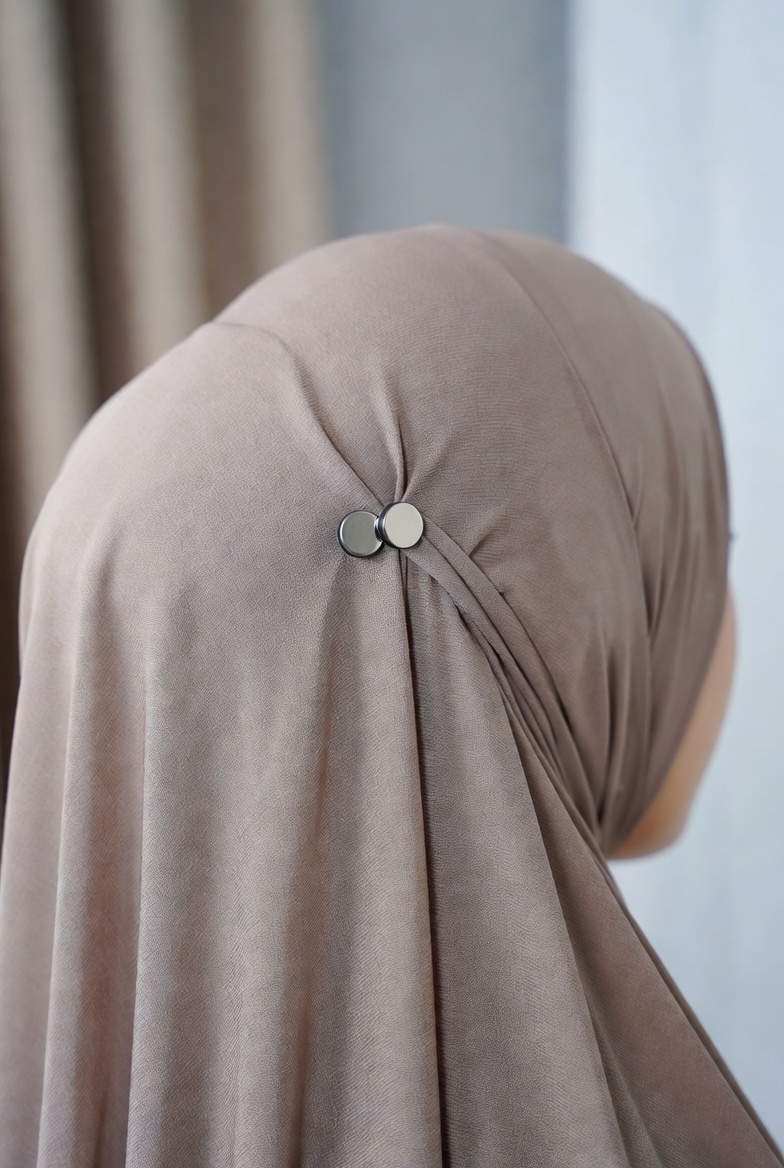
Hijab magnets are small, powerful magnetic fasteners used instead of traditional pins to secure a hijab without piercing or damaging the fabric. They are typically made from neodymium magnets encased in decorative or protective coatings to prevent rust and reduce the risk of skin irritation.
Most hijab magnets come as a matching pair that snaps together through layers of fabric to hold a hijab, scarf, or shawl in place. They are available in different shapes, finishes, and colors to complement both casual and formal hijab styles.
What Materials Are Hijab Magnets Made Of?
Most hijab magnets use neodymium magnets, known for their very high magnetic strength relative to size. This allows the magnets to stay compact yet strong enough to secure multiple layers of fabric.
Key material characteristics include:
– Strong holding force in a compact size
– Lightweight structure, so they do not drag down delicate fabrics
– Resistance to demagnetization under normal use
– Protective coatings, such as nickel, copper–nickel, resin, or enamel, to help prevent corrosion and metal exposure
In powder form, neodymium compounds can be harmful if inhaled or ingested. However, in hijab magnets they are sintered into solid form and sealed with coatings, which greatly reduces direct exposure. For hijab use, the magnets are worn externally on fabric, not directly inside the body, which further limits potential risks.
Are Hijab Magnets Safe for Everyday Wear?
For healthy adults without contraindicating medical devices, hijab magnets are generally safe when used as intended on clothing, at modest field strengths and reasonable distances from the body. They are designed as accessories, not as toys or medical devices, and should be treated as technical products that require basic care.
Everyday safety considerations include:
– The magnets are worn outside the body and separated from the skin by layers of fabric.
– Magnetic fields weaken quickly with distance, so the field at the body surface is much weaker than at the magnet’s surface.
– High-quality coatings reduce the risk of corrosion and direct metal contact with skin.
– When handled carefully, the risk of pinching injuries from small hijab magnets is low.
However, all neodymium magnets, regardless of size, should be used thoughtfully. Strong magnets can pinch skin if they snap together suddenly, and broken magnets can leave sharp fragments that should not be used on clothing or near children.
Key Safety Risks You Should Know
Even though hijab magnets are broadly safe for typical adult users, there are important risks you should understand and actively manage for yourself and your family.
1. Swallowing and Child Safety
The most serious risk associated with small neodymium magnets is ingestion, especially in children. If more than one magnet, or a magnet plus another metal object, is swallowed, they can attract each other through the intestinal walls, which may cause severe internal injuries.
Possible complications include:
– Bowel perforation
– Blockages and tissue damage
– Serious infection and potentially life-threatening complications
Public safety agencies in multiple countries have recorded thousands of emergency cases related to high-powered magnet ingestion in recent years. Because hijab magnets are small, smooth, and often visually appealing, they can look like toys or candy to children.
Practical guidelines for hijab magnets around children:
– Keep hijab magnets completely out of reach of infants, toddlers, and young children.
– Never let children treat hijab magnets as toys or fidget items.
– If you suspect a magnet may have been swallowed, seek immediate medical attention, even if the child seems well.
2. Interaction With Pacemakers and Medical Implants
Neodymium magnets can interfere with some cardiac pacemakers, implantable cardioverter-defibrillators (ICDs), and certain hearing aids if brought very close to the device. Some implants can switch into a different mode or malfunction when exposed to strong magnetic fields at short distances.
Small hijab magnets are typically worn on the headscarf and may be some distance from devices implanted in the chest area. Even so, caution is essential:
– Avoid placing magnets directly over or extremely close to any medical implant.
– If you use a pacemaker, ICD, cochlear implant, or other medical device, consult your doctor or device manufacturer for specific guidance before using hijab magnets.
3. Skin Reactions and Allergies
Some people are sensitive or allergic to nickel, a metal commonly used in magnet coatings. Prolonged skin contact with nickel-containing materials can cause redness, itching, or rashes in susceptible individuals.
To minimize this risk:
– Choose hijab magnets with hypoallergenic coatings, such as resin, enamel, or medical-grade covers.
– Avoid placing magnets directly on bare skin where possible, keeping them on fabric layers instead.
– Stop using the magnets and seek medical advice if you notice persistent irritation at contact points.
4. Pinching and Impact Injuries
Neodymium magnets can snap together quickly when they are allowed to attract each other from a distance. This can create enough force to pinch skin, trap fingers, or crack the magnets themselves.
Basic handling rules:
– Slide magnets apart instead of pulling them straight away from each other.
– Avoid allowing two magnets to fly together from a gap; bring them together gently while controlling one side.
– Replace any magnet that is chipped, cracked, or broken, as fragments can be sharp and unsuitable for use near fabric or skin.
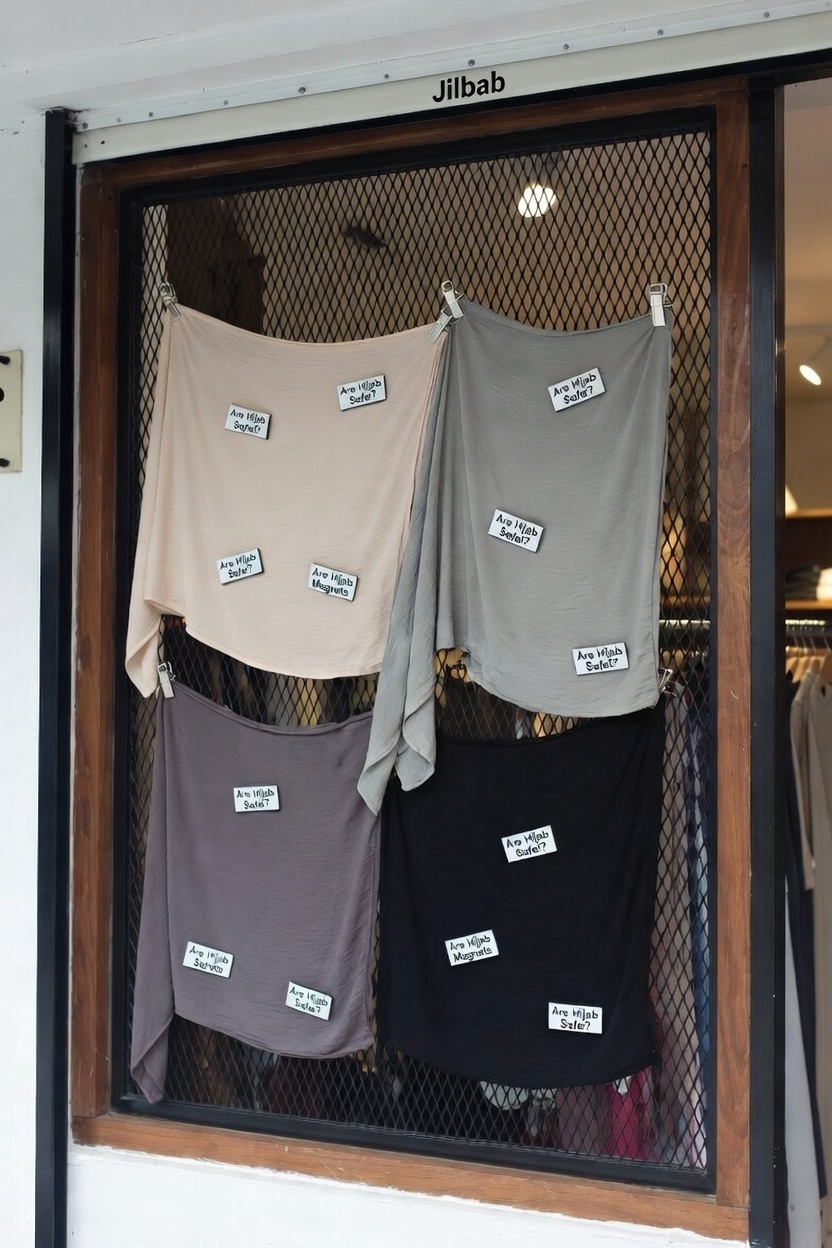
Benefits of Hijab Magnets Compared to Traditional Pins
From a user experience and fabric-care perspective, hijab magnets offer several clear advantages over classic pins. They protect delicate materials, improve comfort, and provide more flexible styling options.
Fabric Protection and Longevity
Traditional pins pierce the hijab, which can create permanent holes, snags, and runs, especially in fabrics like silk, chiffon, and fine viscose. Hijab magnets, by contrast, hold layers of fabric together without puncturing them.
Over time, this helps:
– Maintain the hijab’s original texture and drape
– Reduce damage at high-stress points such as under the chin or around the neck
– Extend the overall life and appearance of your hijab collection
Comfort and Ease of Use
Pins can poke, scratch, or come undone unexpectedly, causing discomfort or minor cuts. Magnets provide a smoother, more comfortable alternative.
Key comfort benefits include:
– No sharp ends pressing against the skin
– Fast, intuitive fastening by simply snapping the two magnet pieces together
– Fewer readjustments during busy days or light activity
Style and Versatility
Modern hijab magnets combine function with style. You can select minimalist metallic finishes or embellished designs featuring crystals, pearls, or enamel to match different outfits and occasions.
Beyond hijabs, they can also be used to:
– Secure lightweight cardigans or shawls
– Temporarily hold together layers of clothing
– Organize papers or serve as small magnets on notice boards
How to Use Hijab Magnets Safely and Effectively (Step by Step)
Follow these practical steps to achieve a secure, comfortable, and safe fit whenever you wear hijab magnets.
1. Choose the right magnet strength
Select small to medium-strength magnets specifically marketed for hijab or textile use, rather than industrial-grade magnets designed for heavy-duty applications.
2. Position the fabric
Arrange your hijab in the desired style, making sure the layers you want to secure overlap neatly and sit comfortably around your face and neck.
3. Place the first magnet
Hold one magnet piece on the outside where you want the hijab to be fixed, such as under the chin, at the side of the head, or at the back of the neck.
4. Attach from the other side
Bring the matching magnet behind the fabric so that it snaps lightly into place, trapping the layers between the two pieces. Maintain control so the magnets do not slam together too hard.
5. Check tension and comfort
Adjust the position slightly until the fabric feels secure but not overly tight. Sliding the magnets along the fabric can help refine the fit without disturbing your style.
6. Remove with care
To take the magnets off, slide them apart sideways rather than pulling them straight away from each other. This reduces sudden snapping and helps prevent pinching or damage.
When and Where Hijab Magnets Work Best
Hijab magnets can enhance your experience in many everyday scenarios, from daily commutes to special events. Choosing the right design for each setting can maximize both safety and style.
Daily Wear and Office Settings
For work, school, or study, hijab magnets can help you maintain a polished and consistent look throughout the day. Discreet, neutral designs blend seamlessly with professional attire while reducing the need for constant readjustments.
In office environments, hijab magnets also minimize the risk of loose pins falling out or causing minor injuries, helping you stay focused on your tasks rather than your hijab.
Outdoor and Active Use
During outdoor activities such as walking, commuting, or light exercise, hijab magnets can help your scarf resist wind and movement. Because of their strong holding power relative to size, they can keep layers from shifting when correctly positioned and matched to your fabric thickness.
For more active days, it is especially important to choose magnets with adequate strength and to test your preferred placements at home before relying on them outside.
Formal Events and Special Occasions
For weddings, celebrations, or cultural events, embellished magnets featuring pearls, crystals, or unique finishes can add a refined finishing touch. They secure delicate hijabs without leaving marks, helping the fabric look smooth and elegant in photos and under bright lighting.
By coordinating magnet designs with jewelry or outfit colors, you can create a cohesive, stylish look while still enjoying the practical benefits of a secure, pin-free hijab.
Best Practices for Long-Term Safety and Care
To maximize both safety and product life, it is useful to develop consistent habits for storage, cleaning, and selection of hijab magnets.
Safe Storage and Transport
Store hijab magnets in a dedicated box or pouch, away from children and pets. Keeping them in a closed container reduces the risk of loss, accidental ingestion, or attraction to unwanted metal objects.
Avoid placing hijab magnets close to:
– Bank cards and magnetic stripes
– Pacemakers, ICDs, and similar medical implants
– Sensitive electronic devices and data storage media
When traveling, keep magnets grouped together in a small case so they do not attach to metallic objects in your bag or damage delicate items such as headphones or cables.
Cleaning and Maintenance
Most hijab magnets only need gentle surface cleaning to stay in good condition.
Care tips include:
– Wipe them with a soft, slightly damp cloth and dry thoroughly afterwards.
– Avoid soaking them in water or using harsh chemical cleaners that can attack the coating.
– Inspect them periodically for chips, cracks, or signs of corrosion, and replace any magnets that are damaged or degraded.
Choosing High-Quality Hijab Magnets
When selecting hijab magnets, paying attention to quality can significantly improve both safety and user experience.
Key points to look for:
– Clear specification of magnet type and intended use for textiles or hijabs
– Reliable, durable coatings that protect against rust and potential skin reactions
– Consistent finishing, smooth edges, and secure decorative elements such as pearls or crystals
Purchasing from specialized magnet manufacturers or established hijab accessory brands can increase the likelihood of consistent quality control and better product information.
Comparing Hijab Magnets and Traditional Hijab Pins
The table below summarizes the main differences between hijab magnets and traditional pins to help you decide which option fits your needs best.
| Aspect | Hijab Magnets | Traditional Pins |
|---|---|---|
| Fabric impact | Do not pierce fabric, reduce snags and holes. | Pierce fabric, can cause holes, runs, and long-term damage to delicate cloth. |
| Comfort | No sharp ends, more comfortable under chin and around neck. | Can poke or scratch skin, may cause discomfort if placed incorrectly. |
| Ease of use | Quick to attach and remove, easy for beginners. | Require careful insertion and alignment, slower to adjust. |
| Safety with children | Higher ingestion risk if not stored safely, must be kept away from children. | Pins can also be hazardous, but are usually easier for adults to notice if dropped. |
| Style options | Wide range of minimalist and decorative designs. | Decorative pins exist but may still damage fabrics. |
| Risk of pinching | Mild pinching possible if magnets snap together. | Low pinching risk, but needle injuries are possible. |
Practical Safety Checklist Before You Use Hijab Magnets
Use this quick list as a pre-use reference to keep your experience safe and comfortable.
1. Confirm that there are no small children who can access your hijab magnets unsupervised.
2. If you have a pacemaker, ICD, or hearing implant, consult your doctor about wearing magnets near the head and chest.
3. Inspect each magnet for chips, cracks, or rust and replace any damaged pairs.
4. Choose magnets with hypoallergenic or coated surfaces if you have sensitive skin or a history of metal allergies.
5. Practice sliding magnets apart rather than pulling them directly to avoid sudden snapping and pinching.
Call to Action
If you want hijab magnets that combine safety, fabric protection, and stylish design, choose products from experienced magnet specialists who understand both material performance and user needs. Start upgrading your hijab wardrobe today by selecting high-quality, well-coated neodymium hijab magnets and putting the safety tips from this guide into practice with every wear.
Conclusion: Are Hijab Magnets Safe and Worth Using?
High-quality hijab magnets are safe for most adult users when handled correctly, stored responsibly, and kept away from children and certain medical devices. They protect delicate fabrics, improve daily comfort, and offer versatile styling options, making them a smart upgrade from traditional pins for many hijab wearers.
By understanding the key risks, following simple safety guidelines, and choosing well-made products, you can enjoy the benefits of hijab magnets with confidence. For the best results, select magnets designed specifically for textile use, maintain them properly, and always prioritize safe storage and usage habits.
Contact us to get more information!
FAQs About Hijab Magnet Safety
1. Are hijab magnets safe to wear all day?
For healthy adults, wearing hijab magnets on fabric for extended periods is generally considered safe, because the magnets are external and separated from the body by the hijab. If you feel discomfort, skin irritation, or have concerns due to a medical condition, discontinue use and seek advice from a healthcare professional.
2. Can hijab magnets damage my hijab fabric?
Properly finished hijab magnets are designed to hold the fabric without piercing or pulling threads, so they are suitable even for delicate materials like chiffon and silk. Over time they can help extend the life of your hijabs by avoiding repeated pin holes and snags caused by traditional pins.
3. Are hijab magnets safe for children to use?
Hijab magnets should not be given to children to play with, and they require extreme caution if used for young hijab wearers because of the risk of swallowing. If a magnet is ingested or suspected of being swallowed, seek emergency medical help immediately, even if there are no obvious symptoms at first.
4. Will hijab magnets trigger airport security or metal detectors?
Small hijab magnets usually contain only a modest amount of metal and typically do not cause issues at airport or building security, although procedures can vary between locations. If you are concerned, you can remove the magnets before screening and place them in a tray or your bag, then reattach them afterwards.
5. What should I do if my hijab magnet breaks?
If a magnet chips or shatters, stop using it immediately. Collect all fragments carefully, dispose of them safely out of reach of children, and replace the broken magnet with a new one. Broken pieces can be sharp and may also pose a higher ingestion risk if they scatter unnoticed.
Citations:
1. https://www.greatmagtech.com/info/are-hijab-magnets-safe-102700183.html
2. https://hayaahijab.com.au/blogs/posts/hijab-magnets-vs-pins
3. https://deenin.com/blogs/all-blogs/are-hijab-magnets-safe
4. https://www.rospa.com/home-safety/product-safety/magnet-safety
5. https://www.poison.org/articles/toy-magnets-are-dangerous-for-children
6. https://www.cpsc.gov/Safety-Education/Safety-Education-Centers/Magnets
7. https://www.cpsc.gov/Warnings/2024/CPSC-Warns-Consumers-to-Immediately-Stop-Using-Reflections-High-Powered-Neodymium-Magnetic-Br
8. https://www.okonrecycling.com/magnet-recycling-and-applications/magnet-technology/risks-breaking-neodymium-magnets/
9. https://www.gme-magnet.com/info/how-to-use-hijab-magnets-for-a-secure-fit-102659978.html
Hot Tags: Are Hijab Magnets Safe, Hijab Magnet Pins, Hijab Magnetic Pins, Hijab Magnets, Magnet Pins For Hijab, Safety Of Hijab Magnets, Best Hijab Magnet Accessories, Strong Magnetic Hijab Clips, No Damage Hijab Fasteners, Comfortable Hijab Styling Magnets