Content Menu
● 1. What Is a Magnetic Sheet Separator?
● 2. Main Components of a Magnetic Sheet Separator System
● 3. Types of Magnetic Sheet Separators
● 4. Pre‑Installation Planning
>> 4.1 Define Operating Requirements
>> 4.2 Assess the Installation Environment
● 5. Tools and Safety Before Installing a Magnetic Sheet Separator
>> 5.1 Recommended Tools and Equipment
>> 5.2 Personal and Operational Safety
● 6. Step‑by‑Step Mechanical Installation
>> 6.1 Step 1: Receive and Inspect the Magnetic Separator
>> 6.2 Step 2: Prepare the Mounting Frame or Base
>> 6.3 Step 3: Position the Magnetic Sheet Separator
>> 6.4 Step 4: Fix and Align the Magnetic Separator
● 7. Adjustment and Optimization With Live Sheet Stacks
>> 7.1 Place a Test Stack at the Working Position
>> 7.2 Check Vertical Height and Coverage
● 8. Integration With Automation and Production Equipment
>> 8.1 Coordination With Feeders and Robots
>> 8.2 Safety and Control Interfaces
● 9. Testing, Commissioning, and Performance Verification
>> 9.1 Functional Testing Under Real Conditions
>> 9.2 Acceptance Criteria for the Magnetic Separator
● 10. Maintenance and Troubleshooting of Magnetic Sheet Separators
>> 10.1 Routine Maintenance Tasks
>> 10.2 Common Problems and Practical Solutions
● 11. Why Choose Foshan Wandaye Technology Co., Ltd. for Magnetic Sheet Separator Projects?
● FAQ
>> 1. What is the main function of a magnetic sheet separator?
>> 2. How do I choose the right magnetic sheet separator for my application?
>> 3. Does a magnetic sheet separator need electrical power to work?
>> 4. Can a magnetic sheet separator handle oily or coated sheets?
>> 5. How often should I maintain or check a magnetic sheet separator?
Foshan Wandaye Technology Co., Ltd. is a professional manufacturer dedicated to the research, engineering design, and production of magnetic separator equipment, including advanced magnetic sheet separators for mining, ceramics, pharmaceutical, steel processing, and many other industries.
By choosing Foshan Wandaye Technology Co., Ltd. as your partner, you can obtain reliable magnetic separator solutions, technical support for installation, and long‑term service that help your production lines achieve safe, stable, and efficient sheet handling performance.
Installing a magnetic sheet separator is more than simply fixing a device onto a frame; it requires a clear understanding of magnetic separator working principles, site conditions, stack properties, automation interfaces, and maintenance planning so that the system works smoothly for many years.
This article explains how to install magnetic sheet separator work step by step, covering preparation, mounting, adjustment, testing, and troubleshooting, with practical guidance that can be applied in stamping plants, cutting lines, and automated fabrication cells.
1. What Is a Magnetic Sheet Separator?
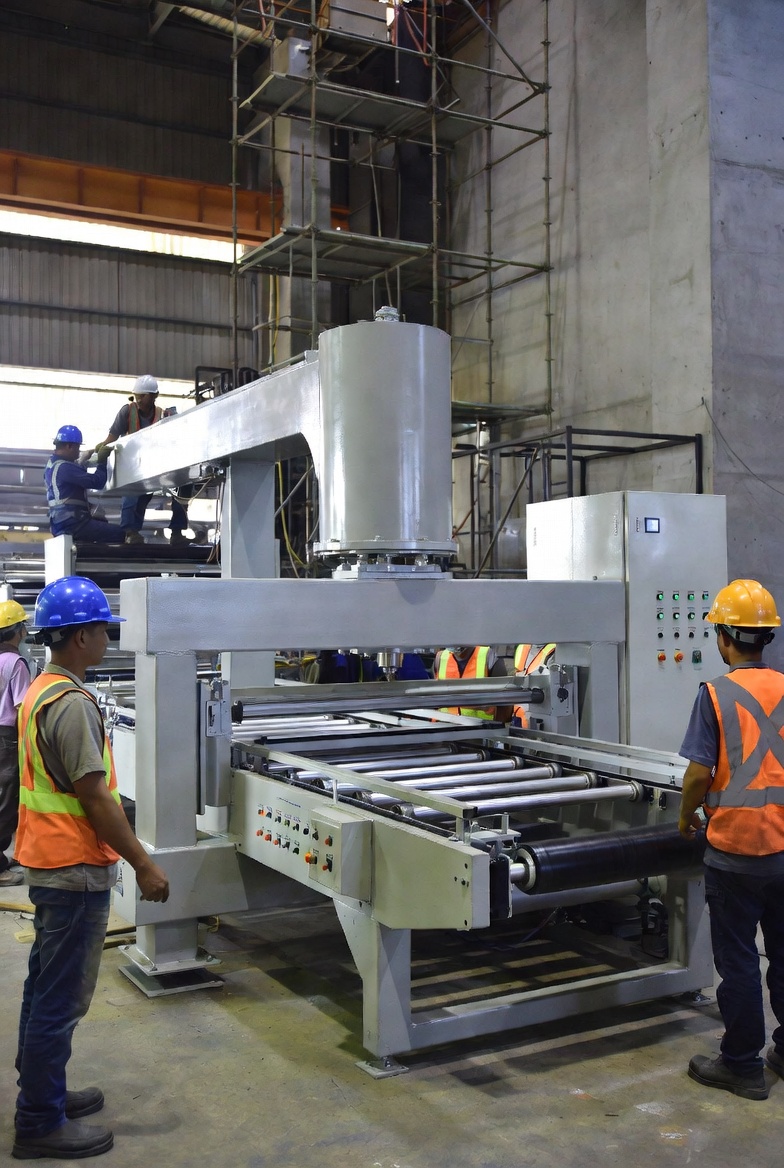
A magnetic sheet separator is a special type of magnetic separator designed to separate steel sheets that are stacked together, so that each sheet can be picked up individually by hand, robot, or mechanical feeder without double blanks.
In many metalworking plants, sheets often stick together due to oil films, surface tension, flatness, or residual magnetism, making manual separation difficult and unreliable; a magnetic sheet separator solves this problem using controlled magnetic repulsion.
When a stack of ferromagnetic sheets is placed near the magnetic sheet separator, the magnetic field penetrates the stack and induces like magnetic poles on adjacent sheet surfaces, creating a repulsive force that causes the sheets to slightly bend and fan apart.
This fanning effect allows the top sheet to be easily seized by suction cups, grippers, or operators, while the next sheet rises automatically in preparation for the following cycle, creating a continuous single‑sheet flow supported by the magnetic separator.
Compared with bulk material magnetic separator designs for powders, slurries, and ores, a magnetic sheet separator focuses on precise handling of flat sheet products, making it especially valuable for automotive body parts, appliance panels, electrical enclosures, and general metal fabrication.
2. Main Components of a Magnetic Sheet Separator System
Before you begin installation, it is important to know the basic components that make up a typical magnetic sheet separator system and how they interact with each other.
Understanding these parts helps you design an appropriate layout and choose the right accessories for your magnetic separator project.
Key elements usually include:
– Magnetic body: the core block, plate, or housing containing permanent magnets or coils that generate the strong magnetic field needed for sheet separation.
– Mounting frame or bracket: the structural support that fixes the magnetic separator at the correct position and angle relative to the sheet stack.
– Adjustment mechanisms: slides, hinges, rails, or arms that allow the distance and height between the magnetic separator and the stack to be finely tuned.
– Protective covers and bumpers: shielding components that protect both the magnetic separator and the sheets from physical damage and reduce the risk of impact.
– Optional sensors and interlocks: devices such as sheet presence sensors, proximity switches, or safety interlocks integrated near the magnetic separator to coordinate automation and safety functions.
Foshan Wandaye Technology Co., Ltd. offers magnetic separator products with optimized structures, using high‑energy magnet materials and rugged frames, so that customers can integrate them quickly into new or existing sheet handling lines.
3. Types of Magnetic Sheet Separators
Although the installation principles for most sheet‑type magnetic separator designs are similar, it is helpful to distinguish several common types when planning a project.
– Permanent magnetic sheet separators: these use high‑performance permanent magnets, such as ferrite or rare earth materials, to provide a constant magnetic field without the need for electrical power.
– Electromagnetic sheet separators: these magnetic separator models feature coils powered by electricity, allowing the magnetic force to be adjusted according to sheet material and thickness.
– Air‑assisted sheet separators: these devices combine a permanent or electromagnetic separator with air jets, helping to overcome heavy oil or strong surface adhesion between sheets.
Permanent magnetic sheet separators are widely used because they are simple, energy‑saving, and reliable, requiring only mechanical installation and occasional adjustment; in many cases, Foshan Wandaye Technology Co., Ltd. recommends this type for general steel sheet handling applications.
Electromagnetic and air‑assisted designs are better choices when sheet properties vary widely or when very sticky, oiled, or coated sheets must be separated consistently, and in such cases, the installation must also consider power supplies and air piping alongside the magnetic separator body.
4. Pre‑Installation Planning
Good planning is the key to successful installation of a magnetic sheet separator. It reduces trial‑and‑error on the production floor, shortens commissioning time, and prevents layout conflicts with other equipment.
4.1 Define Operating Requirements
Before any mechanical work begins, you should clearly define what your magnetic separator system must handle in daily operation.
Consider these points carefully:
– Sheet material type: low‑carbon steel, silicon steel, partially magnetic stainless steel, or other ferromagnetic alloys.
– Sheet thickness range: thin automotive panels, medium sheet metal parts, or thick plates.
– Sheet size: length and width strongly influence the required magnetic field distribution and the number of magnetic separators needed.
– Stack height: maximum and minimum stack heights affect how the magnetic separator will interact with the sheets at different levels.
– Production rate: line speed and cycle time of robots, feeders, or presses define how quickly the magnetic separator must produce clean fanning.
With this information, technical engineers from Foshan Wandaye Technology Co., Ltd. can help you select the appropriate magnetic separator model and quantity, as well as propose layout options and adjustment ranges that match your process.
4.2 Assess the Installation Environment
The physical environment has a strong impact on the safety and effectiveness of a magnetic separator installation.
You should check the following aspects at the site:
– Available space around the sheet stack for mounting one or more magnetic separators.
– Floor strength and any structural beams that must support the magnetic separator and its frame.
– Presence of nearby sensitive equipment, such as control cabinets, instruments, or devices affected by strong magnetic fields.
– Accessibility for operators and maintenance staff, including safe walkways and reach distances around the magnetic separator.
By assessing the environment early, you can adjust your design so that the magnetic separator is placed at a convenient working height, free from mechanical stress and interference with other machines.
5. Tools and Safety Before Installing a Magnetic Sheet Separator
A magnetic sheet separator is a powerful magnetic separator with strong attractive forces, so careful selection of tools and strict adherence to safety measures are essential when installing or adjusting the device.
5.1 Recommended Tools and Equipment
Prepare the following tools and equipment before installation:
– Standard wrenches and socket sets for bolts and nuts.
– Torque wrench for tightening fasteners to specified values.
– Measuring tape and spirit level to verify distances, heights, and alignment.
– Non‑magnetic shims or spacers for precise distance adjustment around the magnetic separator.
– Lifting equipment such as hoists, cranes, or forklifts suitable for the weight and shape of the magnetic separator unit.
Whenever possible, use tools with reduced ferromagnetic parts near the active faces of the magnetic separator, which helps avoid accidental attraction that could cause sudden movements or pinching hazards.
5.2 Personal and Operational Safety
Because the magnetic separator produces strong magnetic fields, you must take special precautions to protect personnel and surrounding equipment.
Important safety points include:
– Individuals with pacemakers or implanted medical devices should not work near the magnetic separator or stand within the marked danger zone.
– Operators should remove loose metal objects such as keys, tools, and name badges before working close to the magnetic separator.
– Appropriate personal protective equipment, including safety gloves and eye protection, should be used during installation and adjustment.
– Warning labels and safety signs should be clearly placed on and around the magnetic separator to remind workers of the magnetic field and pinch risks.
A clear safety procedure not only protects people but also prevents damage to the magnetic separator itself and any instruments that could be influenced by the magnetic field.
6. Step‑by‑Step Mechanical Installation
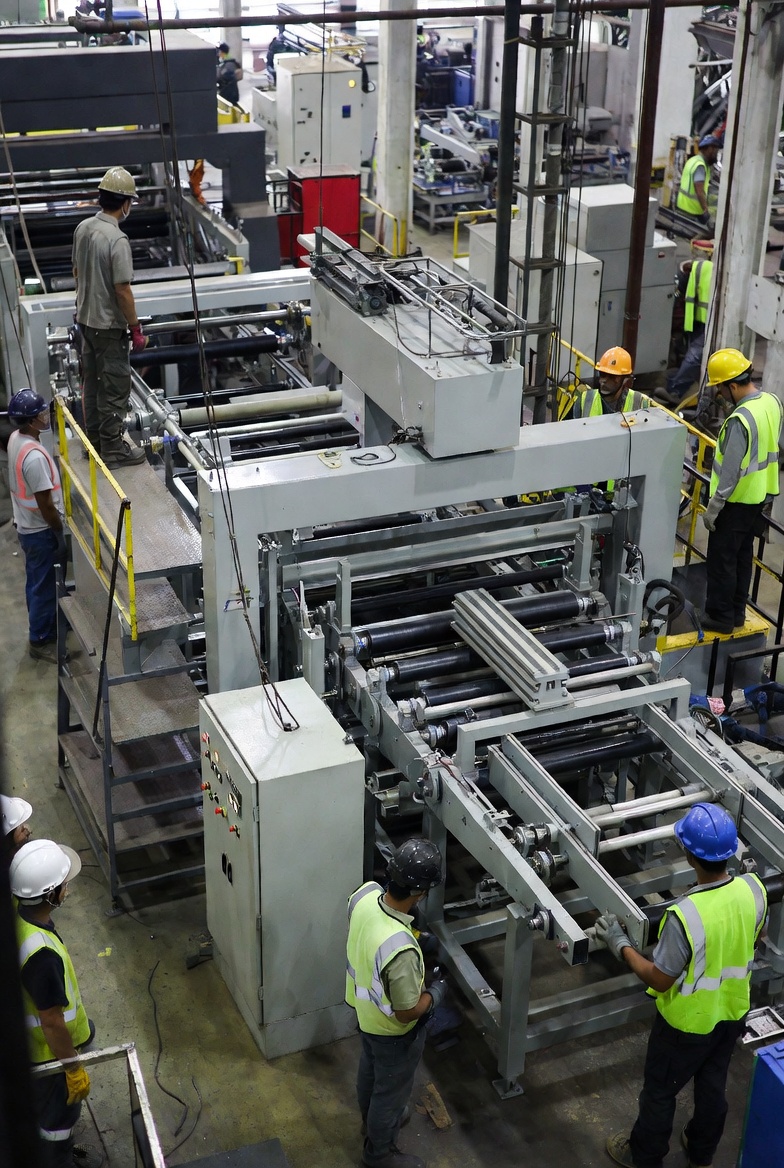
Once planning and safety preparations are complete, you can proceed with the mechanical installation of the magnetic sheet separator in your production area.
The following steps provide a structured guide that can be adapted to most layouts and models from Foshan Wandaye Technology Co., Ltd.
6.1 Step 1: Receive and Inspect the Magnetic Separator
When the magnetic separator arrives at your facility, handle it carefully from the first moment.
Follow these actions:
– Move the packaged magnetic separator to the installation area using a suitable forklift, pallet truck, or crane, observing all lifting instructions marked on the crate.
– Open the packaging and inspect the magnetic separator body, brackets, and accessories for any visible damage or deformation.
– Check the nameplate or label to confirm that the model number, size, and magnetic strength match your order and design documents.
– Verify that all mounting kits, bolts, adjustment parts, and manuals are present and undamaged.
If you find any discrepancies or defects, contact the supplier before proceeding, so that the magnetic separator can be repaired or replaced as needed without delay to the project schedule.
6.2 Step 2: Prepare the Mounting Frame or Base
A strong and well‑aligned mounting structure is essential for the stable operation of any magnetic separator.
To prepare the frame or base, you should:
– Clean all contact surfaces, removing dust, scale, grease, or paint that could cause uneven mounting.
– Check that the structure is level by using a spirit level in multiple directions along the planned mounting area.
– Measure and mark hole positions or guide rail locations according to the magnetic separator installation drawing.
– Confirm that the supporting beams or columns can safely bear the static weight and dynamic vibration associated with the magnetic separator and the nearby machinery.
If adjustments or reinforcements are required, complete them before the magnetic separator is lifted into position, ensuring that once it is in place, only fine alignment will be necessary.
6.3 Step 3: Position the Magnetic Sheet Separator
Now you can move the magnetic sheet separator into its planned working position near the sheet stack location.
Proceed as follows:
– Use your lifting device to raise the magnetic separator while keeping it stable and aligned with the mounting frame.
– Bring the magnetic separator close to the mounting point, keeping sufficient clearance from nearby ferromagnetic structures to avoid sudden attraction.
– Set the magnetic separator at the approximate height defined in your design so that its active face will align with the center zone of the sheet stack.
– Temporarily secure the magnetic separator using a few bolts or clamps, leaving them slightly loose to allow later fine adjustment.
At this stage, the magnetic separator should already be close to its final position, but small changes of distance and angle will still be necessary once real sheet stacks are in place.
6.4 Step 4: Fix and Align the Magnetic Separator
Precise alignment helps the magnetic separator produce a uniform fanning effect over the entire sheet stack.
To fix and align the unit:
– Check the vertical and horizontal alignment of the magnetic separator using a level and measuring tape, ensuring that it is parallel to the stack face and the floor or base frame.
– Adjust the angle or tilt of the magnetic separator so that its main magnetic field is directed into the region where sheets will be stacked.
– Tighten all mounting bolts gradually, using a cross‑pattern where possible, until they reach the specified torque values.
– Recheck dimensions and alignment after tightening to confirm that no movement occurred during the process.
If your system uses multiple magnetic separators around a single stack, you should align each unit not only relative to the stack, but also relative to each other, ensuring balanced coverage and consistent magnetic forces across the sheet surfaces.
7. Adjustment and Optimization With Live Sheet Stacks
Mechanical installation alone does not guarantee optimum performance; the magnetic separator must be tuned with real sheet stacks under realistic conditions.
7.1 Place a Test Stack at the Working Position
Prepare a test stack that represents typical production conditions, including material, thickness, dimensions, and lubrication level.
Then follow these steps:
– Place the sheet stack on the designated platform, pallet, or tray where it will normally stand during operation.
– Adjust the horizontal distance between the stack and the magnetic separator to the initial recommended value from the supplier data.
– Observe how the top sheets react—whether they fan apart, remain stuck, or move too violently.
– If necessary, alter the distance slightly forward or backward, step by step, until the fanning is distinct but controlled.
The goal is to reach a position where the magnetic separator provides enough force to separate sheets without creating unstable movements that could interfere with pick‑up devices or cause sheets to misalign.
7.2 Check Vertical Height and Coverage
The vertical position of the magnetic separator also has a strong effect on how sheets behave.
To check and adjust the height:
– Observe whether fanning occurs mainly at the top, middle, or bottom of the stack.
– If separation only appears near one edge, raise or lower the magnetic separator so that the magnetic field intersects the stack center more effectively.
– For large sheets or tall stacks, consider adding a second magnetic separator at a different height to achieve uniform separation from top to bottom.
– Repeat tests with partial stacks and full stacks, confirming that the magnetic separator performs well over the entire height range.
Once these adjustments are complete, you should be able to cycle through several stacks while maintaining stable and consistent separation behavior from your magnetic separator system.
8. Integration With Automation and Production Equipment
In modern factories, a magnetic sheet separator is rarely used alone; it is usually combined with feeders, robots, or presses to create an automated cell.
Proper integration ensures that the magnetic separator supports, rather than disrupts, the overall process.
8.1 Coordination With Feeders and Robots
To integrate your magnetic separator with automated handling devices:
– Align the pick‑up point of suction cups or grippers with the region where the magnetic separator causes the sheet to bend upward.
– Adjust the approach path of the robot or feeder to avoid collision with the magnetic separator body or frame.
– Set appropriate approach and retract speeds, taking into account the stiffness of fanned sheets and the timing of the magnetic separator effect.
– Conduct repeated dry‑run cycles without stamping or cutting operations to verify stable pick‑up and release of single sheets.
Where double blanks or misfeeds appear, revise the relative positions of the magnetic separator and the handling device, or adjust detection sensors until the system reaches the desired level of reliability.
8.2 Safety and Control Interfaces
Integration also involves safety and control circuits.
Important considerations include:
– Ensuring that all moving parts near the magnetic separator are guarded according to local safety standards.
– Installing emergency stop buttons within easy reach of operators around the cell.
– Connecting any sensors or switches associated with the magnetic separator to the main control system, so that alarms can be triggered if sheets do not separate correctly.
– Updating operation manuals and maintenance instructions to reflect the presence and functions of the magnetic separator in the line.
By treating the magnetic separator as an integral part of the automation system, rather than a separate accessory, you create a safer, more coherent, and easier‑to‑maintain production environment.
9. Testing, Commissioning, and Performance Verification
After installation and integration, formal testing and commissioning must be carried out to validate that the magnetic separator meets your technical and safety requirements.
9.1 Functional Testing Under Real Conditions
Functional tests should simulate the various production scenarios that the magnetic separator will encounter.
Typical tests include:
– Running different sheet thicknesses, from the thinnest to the thickest specified values.
– Changing the stack height from full to nearly empty and evaluating whether fanning remains effective.
– Varying the lubrication level or surface cleaniness of the sheets to see how the magnetic separator responds.
– Operating the line at slow, medium, and full production speed to detect any speed‑dependent issues.
During these tests, record the occurrence of double blanks, misfeeds, or sheet disturbances, as well as any unusual noise or vibration from the magnetic separator assembly.
9.2 Acceptance Criteria for the Magnetic Separator
Define clear acceptance criteria so that everyone knows when the magnetic separator installation is considered successful.
These may include:
– Specific limits on the allowable rate of double blanks over a given number of cycles.
– Minimum fanning angle or separation gap between the top sheets under standard conditions.
– Verified integrity of all safety functions associated with the magnetic separator and the cell.
– Documentation of final adjustment positions, including distances and heights for future reference.
Once the system satisfies these criteria, you can formally release the magnetic separator into regular production and begin normal operation according to the defined maintenance schedule.
10. Maintenance and Troubleshooting of Magnetic Sheet Separators
Even though magnetic sheet separators are relatively simple devices compared with many other types of magnetic separator, regular maintenance and quick troubleshooting are important to sustain high performance.
10.1 Routine Maintenance Tasks
A basic maintenance plan for a magnetic sheet separator should include the following tasks performed at defined intervals:
– Cleaning dust, oil mist, and metal fines from the surfaces of the magnetic separator and its mounting frame.
– Inspecting bolts, brackets, and adjustment mechanisms for loosening or wear, and tightening or replacing as necessary.
– Checking protective covers and bumpers for damage caused by accidental impacts.
– Observing sheet fanning behavior periodically to confirm that the magnetic separator is still operating within its optimal range.
For electromagnetic or air‑assisted designs, additional checks of electrical connections, coil temperatures, air filters, and valves may be required to ensure that the magnetic separator maintains stable performance and safety.
10.2 Common Problems and Practical Solutions
Over time, you may encounter certain recurring issues during the use of a magnetic sheet separator, but many of them can be resolved quickly by simple adjustments or small improvements.
Some common situations and potential solutions are:
– Sheets remain stuck together: move the stack closer to the magnetic separator or consider adding a second unit at another position to increase the effective magnetic field.
– Sheets jump too strongly or flip: increase the distance incrementally, or slightly lower the magnetic separator so that the force is distributed more evenly across the sheet.
– Double blanks appear at random: verify timing of feeders or robots, and confirm that the magnetic separator is aligned correctly with the pick‑up zone.
– Fanning is uneven across sheet width: recheck the alignment of the magnetic separator, and consider using wider or multiple magnetic separator units to cover the whole sheet.
If problems persist, you can contact Foshan Wandaye Technology Co., Ltd. to review the original design, analyze new sheet data, or propose upgraded magnetic separator configurations.
11. Why Choose Foshan Wandaye Technology Co., Ltd. for Magnetic Sheet Separator Projects?
Foshan Wandaye Technology Co., Ltd. is a specialized magnetic separator enterprise that integrates research and development, engineering design, production, installation guidance, and commissioning services under one roof.
The company’s product portfolio covers high gradient electromagnetic separators, powder and slurry magnetic separator models, permanent magnetic separators, magnetic plates, iron removal cabinets, and many other solutions that can be combined in complete systems.
For magnetic sheet separator applications, Foshan Wandaye Technology Co., Ltd. offers:
– Professional consultation on product selection, layout design, and application engineering.
– Customized mounting frames and accessories tailored to your stamping, cutting, or forming lines.
– On‑site or remote technical guidance during installation and adjustment of the magnetic separator.
– Training for operators and maintenance technicians, as well as after‑sales support for upgrades and expansions.
By working with a supplier that deeply understands magnetic separator technology and industrial processes, you can build robust sheet handling systems that help you achieve high efficiency, energy savings, and long‑term stability.
Conclusion
Correct installation of magnetic sheet separator equipment is fundamental for safe, efficient, and automated handling of steel sheets in modern manufacturing plants.
From early planning and environment assessment to mechanical mounting, fine adjustment, and integration with automation, each step directly influences how reliably the magnetic separator separates sheets and prevents costly double blanks.
Foshan Wandaye Technology Co., Ltd. provides comprehensive magnetic separator solutions and professional technical support, making it easier for customers to configure, install, and maintain magnetic sheet separators that match their materials, production rates, and quality requirements.
When designed and installed according to best practices, a magnetic sheet separator becomes a long‑term, low‑maintenance core component that stabilizes your sheet flow and enhances overall equipment effectiveness.
Contact us to get more information!
FAQ
1. What is the main function of a magnetic sheet separator?
The main function of a magnetic sheet separator is to separate stacked ferromagnetic sheets using controlled magnetic forces so that each sheet can be picked individually and reliably.
By preventing sheets from sticking together, this type of magnetic separator supports stable feeding, reduces double blanks, and protects dies, tooling, and downstream equipment from damage.
2. How do I choose the right magnetic sheet separator for my application?
To choose the right magnetic sheet separator, you should consider sheet material, thickness range, dimensions, stack height, lubrication, and required production speed.
Discussing these parameters with technical experts from Foshan Wandaye Technology Co., Ltd. allows you to select a magnetic separator model and layout that provide sufficient strength and adjustability for your specific conditions.
3. Does a magnetic sheet separator need electrical power to work?
Permanent magnetic sheet separators do not need electrical power to create their magnetic fields; they rely on permanent magnets and only require mechanical installation and adjustment.
However, if your system uses electromagnetic or air‑assisted designs, additional power and pneumatic connections are necessary to operate coils, valves, and control components associated with the magnetic separator.
4. Can a magnetic sheet separator handle oily or coated sheets?
A magnetic sheet separator can handle many oily or coated sheets, but the degree of difficulty depends on lubrication thickness and surface characteristics.
For very sticky sheets, combining a strong magnetic separator with optimized distance settings or air‑assisted designs can greatly improve separation performance, and in complex cases, tests with sample sheets are recommended.
5. How often should I maintain or check a magnetic sheet separator?
Routine inspection of a magnetic sheet separator is typically carried out on a weekly or monthly basis, depending on the intensity of use and the environment.
Regular tasks such as cleaning, checking fasteners, and observing fanning behavior help detect early signs of misalignment or wear so that small adjustments can keep the magnetic separator operating at peak performance.
Citations:
1. https://www.greatmagtech.com/info/how-does-a-magnetic-sheet-separator-work-102810971.html
2. https://www.guangdar.com/understanding-magnetic-steel-sheet-separators-what-they-are-and-how-they-work
3. https://www.magneticclear.com/info/magnetic-sheet-separator-working-principle-90457329.html
4. http://en.fswandaye.com
Hot Tags: How To Install Magnetic Sheet Separator, Magnetic Sheet Separator Installation Guide, Magnetic Sheet Separator Working Principle, Sheet Metal Magnetic Separator Setup, Magnetic Sheet Separator Machine Installation, Industrial Magnetic Sheet Separator System, Automatic Sheet Separator Magnet, Magnetic Plate Separator For Steel Sheets, Magnetic Separation For Stacked Sheets, Permanent Magnet Sheet Separator Equipment