Content Menu
● Overview of Thailand’s Iron Removal and Magnetic Separation Market
● Key Industries Using Iron Removal Equipment in Thailand
>> Mining and Mineral Processing
>> Ceramics, Glass, and Construction Materials
>> Food, Pharma, and Chemical Processing
>> Recycling, E‑Waste, and Environmental Applications
● Types of Iron Removal Equipment Popular in Thailand
>> Magnetic Drums and Wet Separators
>> High‑Gradient Magnetic Filters for Powders and Slurries
>> Overband Magnets and Suspended Electromagnets
>> Eddy Current Separators and Non‑Ferrous Metal Recovery
● Leading Iron Removal Equipment Manufacturers and Suppliers Serving Thailand
>> Global Magnetic Separation Brands with Thai Presence
>> Regional Mining and Mineral Equipment Suppliers
>> Foshan Wandaye Technology Co., Ltd. as a Strategic Partner
>> Local Thai Distributors and System Integrators
● How to Select the Right Iron Removal Equipment Manufacturers and Suppliers in Thailand
>> Clarify Raw Materials and Process Requirements
>> Evaluate Technical Strength and R&D Capability
>> Examine Local Service and After‑Sales Support
>> Compare Lifecycle Cost, Not Just Initial Price
>> Check References and Project Experience
● Best Practices for Implementing Iron Removal Equipment in Thai Plants
>> Process Integration and Layout Design
>> Commissioning, Testing, and Operator Training
>> Maintenance and Performance Monitoring
>> Upgrading Existing Lines in Thailand
● Working with Foshan Wandaye as a Partner for Thailand
● FAQ – Iron Removal Equipment Manufacturers and Suppliers in Thailand
>> 1. What types of iron removal equipment are most common in Thailand?
>> 2. How do I choose between permanent magnet and electromagnetic designs?
>> 3. Can overseas Iron Removal Equipment Manufacturers and Suppliers support projects inside Thailand?
>> 4. What information should I prepare before contacting a supplier?
>> 5. How often should magnetic separation systems be inspected and maintained?
Thailand’s fast‑developing mining, ceramics, food, and pharmaceutical sectors have created strong demand for professional Iron Removal Equipment Manufacturers and Suppliers that can deliver stable, high‑efficiency magnetic separation solutions.
For industrial buyers, choosing the right Iron Removal Equipment Manufacturers and Suppliers is essential to protect process equipment, improve product purity, and meet export‑level quality standards.
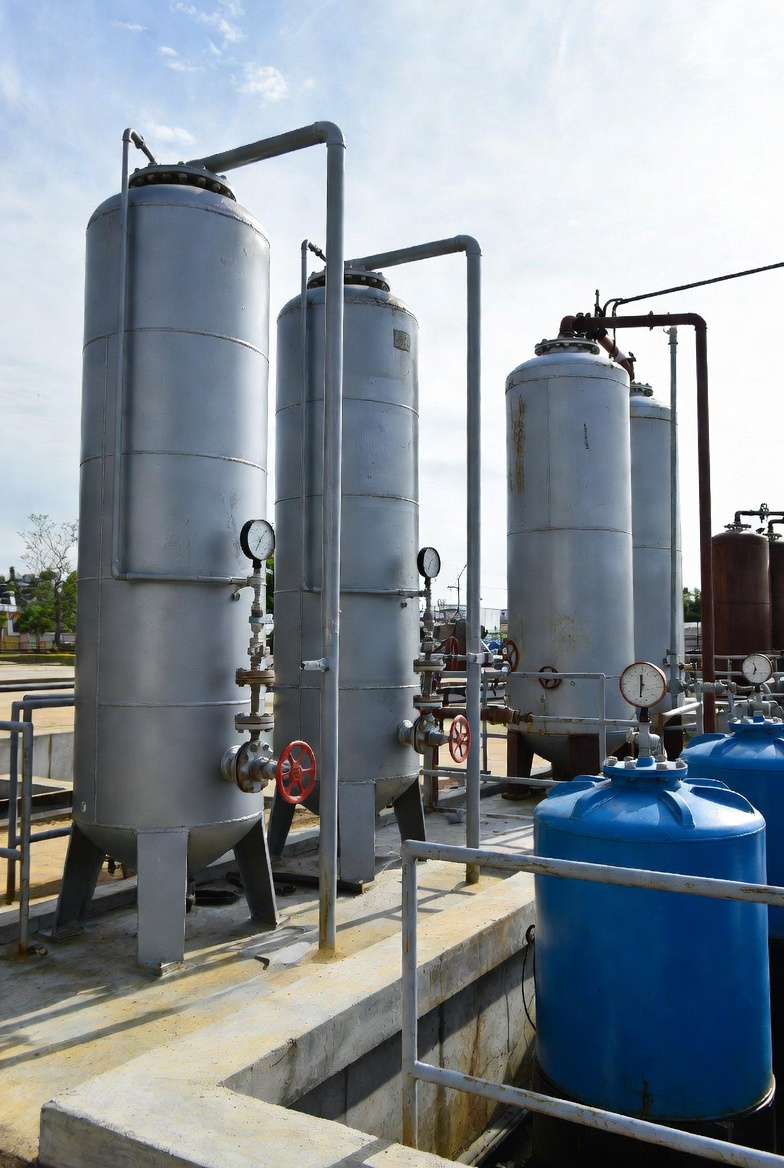
Overview of Thailand’s Iron Removal and Magnetic Separation Market
Thailand’s magnetic separator and iron‑removal market is expanding as mining, recycling, and food processing plants deploy more advanced equipment to separate ferrous and non‑ferrous materials from valuable product streams.
Magnetic separators and iron removal equipment are now widely used in ore beneficiation, construction aggregates, glass and ceramics, food safety, e‑waste recycling, and precision manufacturing processes such as automotive and electronics component production.
A typical Thai plant may use drum magnetic separators for primary beneficiation, high‑gradient magnetic filters for fine powder purification, and overband magnets for bulk material handling on long belt conveyors.
Advanced Iron Removal Equipment Manufacturers and Suppliers also support turnkey projects, from application analysis and equipment selection to detailed engineering, installation, commissioning, and operator training.
Key Industries Using Iron Removal Equipment in Thailand
Mining and Mineral Processing
Thailand’s mining sector handles iron ore, industrial minerals, aggregates, and various non‑metallic ores that require reliable separation of ferrous contaminants and weakly magnetic minerals.
Iron Removal Equipment Manufacturers and Suppliers provide drum separators, wet high‑intensity magnetic separators, and magnetic head pulleys to protect crushers, mills, and grinding circuits from tramp iron while upgrading concentrate grade.
In many beneficiation plants, magnetic separation is integrated with crushing, screening, gravity concentration, and flotation to maximize recovery and reduce reagent consumption.
Modern control systems allow operators to adjust feed rate, slurry density, and magnetic intensity, improving separation efficiency and stabilizing product quality across different ore types.
Ceramics, Glass, and Construction Materials
Ceramic tile, sanitary ware, tableware, and glass manufacturers in Thailand need low‑iron raw materials to achieve high whiteness, smooth surfaces, and consistent color tone.
Iron Removal Equipment Manufacturers and Suppliers support these applications with high‑gradient magnetic filters, slurry separators, electromagnetic iron removers, and magnetic grids for powders.
Typical raw materials such as kaolin, feldspar, quartz sand, and ceramic slips pass through multiple stages of iron removal to meet strict brightness and impurity limits required by export markets.
By upgrading to modern high‑gradient systems, Thai ceramics and glass plants can reduce defect rates, lower glaze and pigment consumption, and create higher value‑added products for regional and global customers.
Food, Pharma, and Chemical Processing
In food and pharmaceutical production, iron contamination may cause equipment wear, metal fragments in finished products, and serious safety incidents, so buyers pay close attention to hygienic design and certification when selecting Iron Removal Equipment Manufacturers and Suppliers.
Pipeline separators, magnetic grids, drawer‑type units, and sanitary housings are installed on powder transfer lines, mixing and blending systems, and liquid processing equipment to capture ferrous contaminants before packaging.
Quick‑release structures, polished stainless‑steel surfaces, and easy‑clean designs help operators complete routine inspections and cleaning with minimal downtime and no dead corners for product accumulation.
Chemical and pigment plants also use iron removal equipment to stabilize color, prevent catalytic side reactions, and ensure stable performance in downstream applications such as coatings, plastics, and batteries.
Recycling, E‑Waste, and Environmental Applications
As Thailand promotes circular economy policies, recycling plants, scrap yards, and e‑waste facilities increasingly invest in magnetic separators and eddy current systems for metal recovery.
Overband magnets, drum separators, and magnetic head pulleys remove ferrous metals from municipal solid waste, construction and demolition waste, and shredded scrap.
Downstream, eddy current separators recover non‑ferrous metals such as aluminum and copper, improving overall resource utilization and reducing landfill volumes.
Iron Removal Equipment Manufacturers and Suppliers that offer robust, low‑maintenance systems and complete recycling lines are attractive partners for Thai companies seeking both economic and environmental benefits.
Types of Iron Removal Equipment Popular in Thailand
Magnetic Drums and Wet Separators
Magnetic drum separators are widely used in Thai mining and mineral processing plants for continuous removal of ferrous contaminants from bulk ore, concentrates, and tailings streams.
Wet drum magnetic separators and wet high‑intensity magnetic separators capture fine magnetic particles in slurry, improving concentrate grade and reducing contamination in non‑magnetic fractions.
These systems are often installed after primary grinding or classification stages, where particle size and slurry behavior are suitable for efficient magnetic capture.
Adjustable tank designs, automatic flushing, and wear‑resistant materials help extend service life and reduce maintenance frequency in demanding mineral processing environments.
High‑Gradient Magnetic Filters for Powders and Slurries
High‑gradient magnetic filters are a core focus for many Iron Removal Equipment Manufacturers and Suppliers serving ceramics, glass, battery materials, and high‑purity chemical industries.
They generate strong magnetic fields inside a ferromagnetic matrix, efficiently removing tiny iron particles and weakly magnetic minerals from fine powders or viscous slurries.
In Thai ceramics and glass plants, high‑gradient systems installed on kaolin, feldspar, and quartz production lines can significantly improve whiteness and reduce black spots in finished tiles or glass sheets.
For battery materials, catalysts, and specialty chemicals, this technology helps ensure stable electrochemical performance and reduces the risk of micro‑shorts or undesired reactions caused by metallic contaminants.
Overband Magnets and Suspended Electromagnets
Overband magnets and suspended electromagnets are typically mounted above belt conveyors to remove tramp iron such as bolts, tools, or broken wear parts from bulk materials.
In Thailand, they are common in cement plants, power stations, aggregate quarries, sugar mills, and recycling centers where large volumes of material move continuously on long belts.
Permanent overband magnets offer simple installation and low operating cost, while electromagnetic versions allow control over magnetic intensity and deeper penetration for thick material layers.
Proper selection of belt width, suspension height, cooling method, and cleaning mechanism is crucial to achieve stable performance and minimize product carry‑over or material blockage.
Eddy Current Separators and Non‑Ferrous Metal Recovery
Eddy current separators are increasingly used in Thai recycling plants and metal recovery lines to sort non‑ferrous metals from mixed waste streams.
A high‑speed rotating magnetic rotor induces eddy currents in conductive metals, generating repulsive forces that eject aluminum, copper, and other non‑ferrous items from non‑conductive materials.
When integrated with upstream magnetic separators, eddy current units create a multi‑stage separation system that recovers both ferrous and non‑ferrous metals efficiently.
Iron Removal Equipment Manufacturers and Suppliers that can design and supply complete metal recovery lines help Thai customers increase revenue from recyclables and comply with environmental regulations.
Leading Iron Removal Equipment Manufacturers and Suppliers Serving Thailand
Thailand’s buyers can cooperate with a combination of global brands, regional equipment manufacturers, and local engineering companies when sourcing iron removal and magnetic separation solutions.
The most successful projects often involve close collaboration between end users, system integrators, and Iron Removal Equipment Manufacturers and Suppliers from the early feasibility stage onward.
Global Magnetic Separation Brands with Thai Presence
Several international companies specializing in magnetic separation maintain subsidiaries, technical offices, or distributor networks in Thailand.
These Iron Removal Equipment Manufacturers and Suppliers provide standardized product ranges such as drum separators, overband magnets, and sanitary pipeline units, along with local engineering support.
Global brands are frequently selected for complex projects in automotive, electronics, and high‑precision manufacturing where stringent global standards and extensive reference lists are important.
They also provide comprehensive documentation, training materials, and long‑term spare‑parts programs that support the full lifecycle of the equipment.
Regional Mining and Mineral Equipment Suppliers
Southeast Asia hosts many regional mining machinery manufacturers and EPC contractors that integrate magnetic separation into complete process lines.
Thai mining clients can benefit from ordering crushers, screens, grinding mills, and Iron Removal Equipment from the same group, reducing interface risks and simplifying project coordination.
These suppliers often have strong on‑site construction and commissioning capabilities, which are valuable for projects in remote areas or greenfield mines.
Their familiarity with regional ore characteristics, climate, and logistics conditions helps them design robust solutions adapted to local realities.
Foshan Wandaye Technology Co., Ltd. as a Strategic Partner
Foshan Wandaye Technology Co., Ltd. is a professional magnetic separator enterprise that combines R&D, engineering design, production‑line installation, and commissioning services.
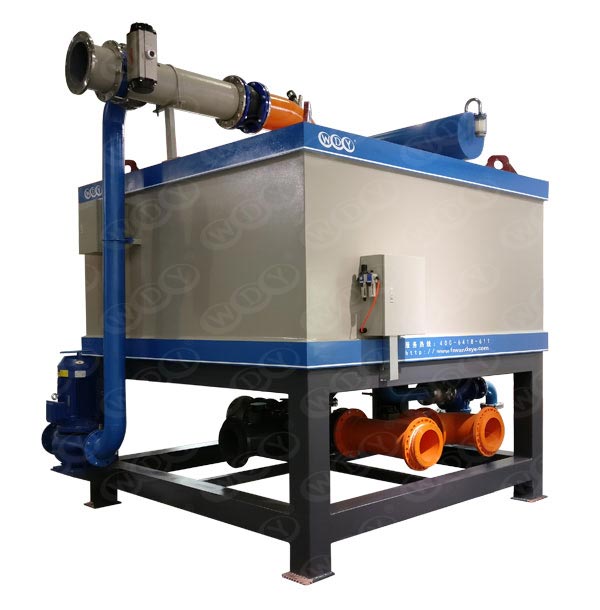
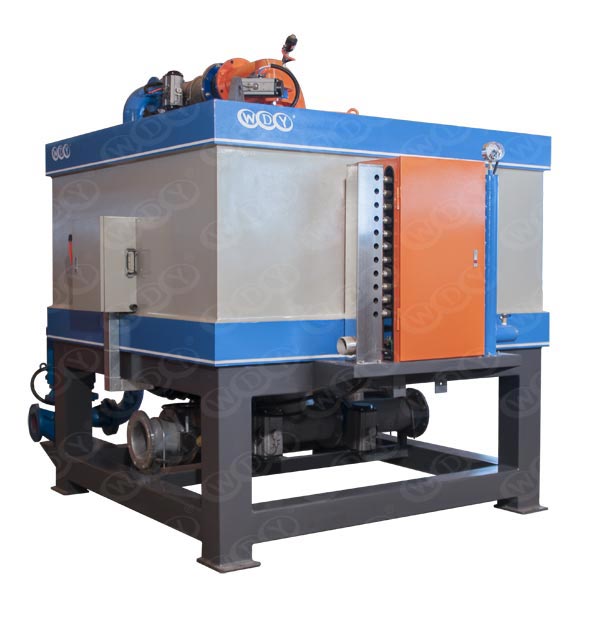
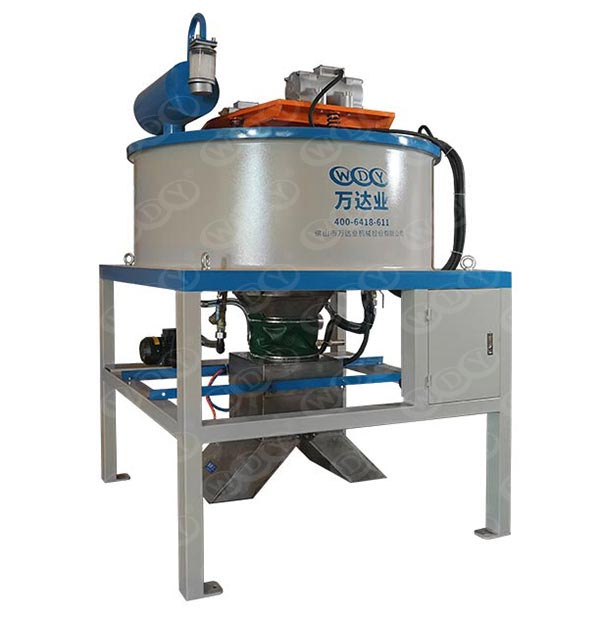
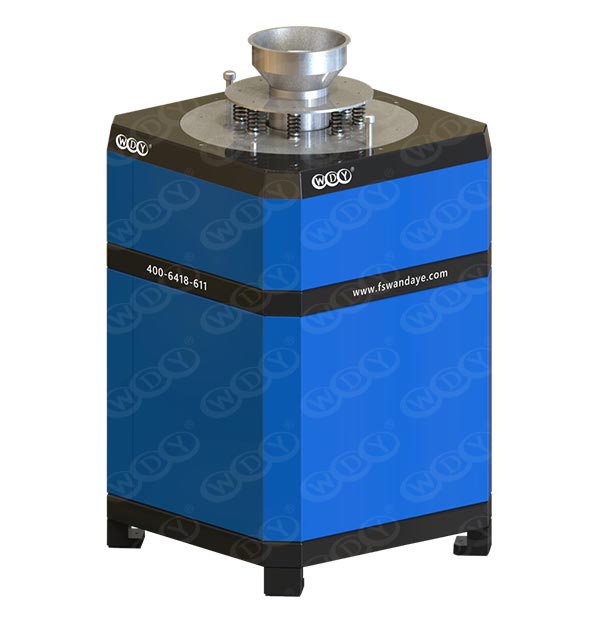
Its main products include various types of high‑gradient electromagnetic slurry machines, dry powder magnetic separators, permanent magnetic separators, electromagnetic vertical ring machines, magnetic plates, iron‑removal cabinets, and magnetic rods.
As one of the specialized Iron Removal Equipment Manufacturers and Suppliers in Asia, Foshan Wandaye focuses on magnetic separation and iron removal equipment across multiple specifications, serving industries such as mining, ceramics, glass, environmental protection, and pharmaceuticals.
The company is rooted in the Pearl River Delta region while expanding its presence nationwide, and its products are exported to countries including Vietnam, India, and others, delivering professional magnetic separation solutions to global customers.
For Thai buyers, cooperating with Foshan Wandaye means access to high‑gradient magnetic filters for kaolin and quartz, wet and dry separators for mineral processing, and electromagnetic iron removers for belt conveyors in cement, aggregate, and power plants.
Its ability to test customer materials, customize equipment, and support on‑site commissioning makes Foshan Wandaye a strong candidate among Iron Removal Equipment Manufacturers and Suppliers serving Thailand.
Local Thai Distributors and System Integrators
A network of Thai engineering firms work as distributors and system integrators for overseas Iron Removal Equipment Manufacturers and Suppliers.
They provide front‑line sales, project coordination, installation, and after‑sales service in local language and time zone, reducing communication barriers for end users.
Local integrators also combine imported magnetic separation equipment with locally fabricated structures, tanks, conveyors, and electrical panels to deliver complete turnkey lines.
This cooperation model balances the technical strengths of international Iron Removal Equipment Manufacturers and Suppliers with the practical expertise of Thai engineering companies that understand domestic regulations and construction practices.
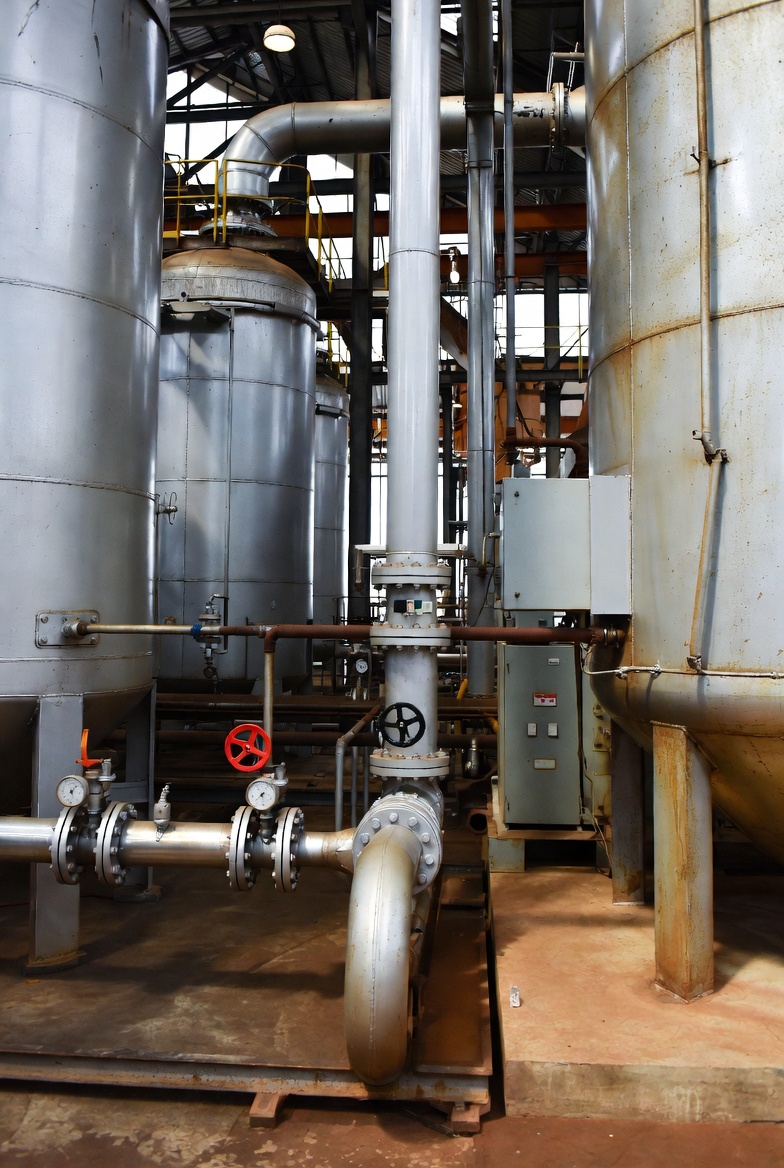
How to Select the Right Iron Removal Equipment Manufacturers and Suppliers in Thailand
Clarify Raw Materials and Process Requirements
The first step is to define key data such as raw material type, particle size distribution, moisture, temperature, pH, capacity, and target product purity for each line.
With these details, Iron Removal Equipment Manufacturers and Suppliers can calculate required magnetic field strength, select wet or dry configurations, and propose suitable installation points in the process flow.
Providing process flow diagrams and layout drawings helps suppliers quickly identify bottlenecks and opportunities to integrate magnetic separation more effectively.
Whenever possible, sending representative samples for laboratory testing allows for validation of separation performance before full‑scale investment.
Evaluate Technical Strength and R&D Capability
Buyers should look for Iron Removal Equipment Manufacturers and Suppliers that maintain specialized R&D teams, test centers, and pilot lines rather than relying only on catalog data.
Access to pilot‑scale testing enables the supplier to simulate real process conditions, optimize magnetic circuit design, and confirm achievable separation indices.
Technical strength also includes expertise in coil design, cooling methods, wear protection, and automation systems that guarantee long‑term stable operation.
Manufacturers with a history of continuous product improvement often offer better energy efficiency, more compact footprints, and smarter control options, all of which benefit Thai plants seeking modern, sustainable solutions.
Examine Local Service and After‑Sales Support
Reliable local or regional service is crucial to minimize downtime and maintain magnetic separator performance in Thai operations.
When evaluating Iron Removal Equipment Manufacturers and Suppliers, buyers should confirm availability of local technicians, spare parts stock, and clear response‑time commitments.
Structured service plans, including periodic inspections, calibration, and refresher training, help sustain high capture rates and protect downstream equipment.
For remote sites, suppliers that can support remote diagnostics, online training sessions, and clear troubleshooting guides provide additional security and convenience.
Compare Lifecycle Cost, Not Just Initial Price
The lowest initial quotation is not always the most economical choice over the equipment’s lifetime.
Industrial buyers should compare energy consumption, maintenance intervals, spare parts cost, expected service life, and potential production losses when assessing Iron Removal Equipment Manufacturers and Suppliers.
Higher‑quality coils, better insulation systems, and more durable liners or wear parts can significantly reduce unplanned shutdowns and total cost of ownership.
A simple way to evaluate options is to estimate total cost per ton of product over five to ten years, taking into account both direct and indirect expenses linked to iron removal systems.
Check References and Project Experience
Real project references show how Iron Removal Equipment Manufacturers and Suppliers perform in practice, not just on paper.
Buyers can ask for reference lists in Thailand and across ASEAN, including project descriptions, material types, and achieved separation targets.
If possible, arranging site visits or video calls with existing users allows prospective buyers to understand reliability, ease of operation, and supplier responsiveness.
Projects with similar ores, clays, process technologies, or quality requirements are especially valuable indicators of the supplier’s suitability for a new Thai installation.
Best Practices for Implementing Iron Removal Equipment in Thai Plants
Process Integration and Layout Design
Proper process integration is key to unlocking the full benefits of investments in iron removal systems.
Process engineers and Iron Removal Equipment Manufacturers and Suppliers should jointly review existing flowsheets to determine where primary, secondary, and polishing stages of magnetic separation should be located.
Common best practices include placing tramp iron removal before crushers and mills, installing high‑gradient systems before fine grinding or classification, and adding polishing stages before packaging or filtration.
Good layout design also ensures adequate access for cleaning and maintenance, sufficient structural support for heavy magnets, and safe clearances from other equipment and walkways.
Commissioning, Testing, and Operator Training
During commissioning, suppliers typically guide no‑load testing, interlock verification, and gradual introduction of material to check separation performance.
Key parameters such as magnet current, slurry density, feed rate, and belt speed should be recorded and fine‑tuned to meet specified targets.
Comprehensive training programs help operators understand daily inspection routines, correct cleaning methods, early warning signs of problems, and relevant safety precautions.
Well‑trained teams can quickly respond to process upsets or raw material changes, keeping product quality stable even under variable operating conditions.
Maintenance and Performance Monitoring
Regular inspection and maintenance schedules protect the long‑term value of magnetic separation equipment installed in Thai plants.
Routine tasks may include checking bearings and seals, verifying coil temperatures, inspecting liners for wear, and measuring magnet surface strength at defined intervals.
Some Iron Removal Equipment Manufacturers and Suppliers now offer sensors and remote monitoring functions that track current draw, vibration, and temperature, allowing predictive maintenance rather than reactive repairs.
By combining scheduled inspections with data‑driven monitoring, plants can reduce unplanned downtime and extend the effective lifetime of their magnetic systems.
Upgrading Existing Lines in Thailand
Many older plants in Thailand still operate low‑intensity or outdated magnetic separators that no longer match current quality targets or throughput requirements.
Upgrading to modern high‑gradient or high‑intensity systems often yields immediate improvements in product purity, recovery rates, and process stability.
Iron Removal Equipment Manufacturers and Suppliers with strong engineering teams can evaluate existing layouts, propose retrofit solutions, and plan installation during scheduled shutdowns to minimize production disruption.
In some cases, step‑by‑step upgrades—starting with critical bottlenecks and gradually expanding—provide a practical path to modernization without large one‑time investments.
Working with Foshan Wandaye as a Partner for Thailand
Foshan Wandaye Technology Co., Ltd. positions itself as a long‑term technology partner rather than a simple equipment vendor.
From early consultation, the company’s engineers work with customers to analyze material characteristics, define performance targets, and select appropriate magnetic separation technologies.
Laboratory testing and pilot‑scale trials help confirm separation indices and optimize parameters before full‑scale production equipment is designed.
For international customers, including those in Thailand, Foshan Wandaye can coordinate equipment design, production, overseas shipping, on‑site installation guidance, and commissioning.
Its portfolio covers high‑gradient electromagnetic slurry machines, dry powder separators, permanent and electromagnetic units, as well as auxiliary components such as magnetic rods and iron‑removal cabinets.
By combining this equipment range with process know‑how, Foshan Wandaye supports Thai mining, ceramics, glass, environmental, and pharmaceutical plants in achieving higher purity, greater efficiency, and more stable quality when compared with basic iron removal solutions.
Conclusion
Thailand’s expanding industrial base in mining, ceramics, glass, recycling, automotive, electronics, food, and pharmaceuticals is driving strong demand for advanced solutions from professional Iron Removal Equipment Manufacturers and Suppliers.
Modern magnetic separation technologies—from drum separators and high‑gradient filters to overband magnets and eddy current units—play a key role in improving product purity, protecting process equipment, and supporting sustainable resource use.
By carefully selecting Iron Removal Equipment Manufacturers and Suppliers with strong R&D, proven references, and reliable service networks, Thai plants can achieve higher operational efficiency and long‑term competitiveness in regional and global markets.
Foshan Wandaye Technology Co., Ltd., with its focus on magnetic separation and iron removal equipment, comprehensive engineering services, and international project experience, is well positioned to support Thai industrial customers seeking customized, high‑performance solutions.
Contact us to get more information!
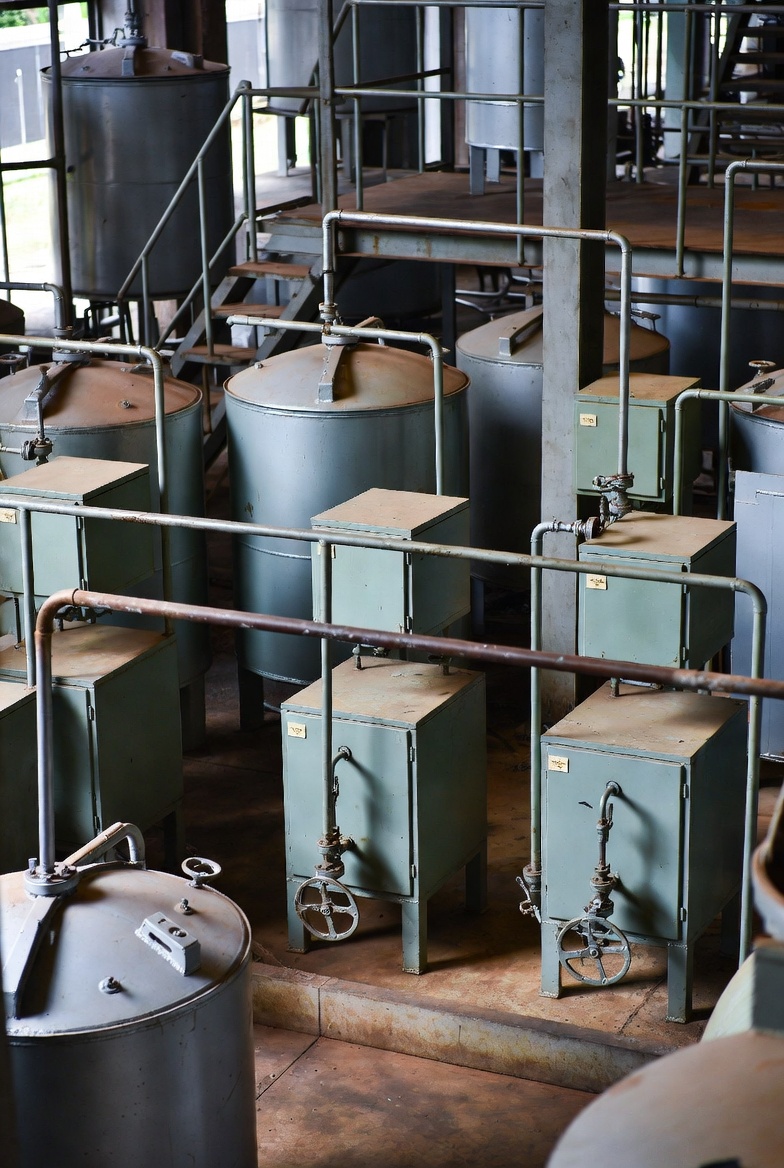
FAQ – Iron Removal Equipment Manufacturers and Suppliers in Thailand
1. What types of iron removal equipment are most common in Thailand?
In Thailand, the most widely used solutions from Iron Removal Equipment Manufacturers and Suppliers include drum magnetic separators for bulk ore, wet high‑intensity separators for mineral slurries, high‑gradient magnetic filters for ceramics and glass, and overband magnets for conveyors.
In addition, compact magnetic grids and pipeline units are popular in food, chemical, and pharmaceutical plants that need sanitary, easy‑clean designs.
2. How do I choose between permanent magnet and electromagnetic designs?
Permanent magnet systems are usually selected when low operating cost, simple installation, and minimal maintenance are priorities, especially for light to medium‑duty applications.
Electromagnetic designs are preferred when higher field intensity, deeper penetration through thick material layers, and adjustable magnetic strength are required, for example on wide, heavily loaded conveyors or in high‑gradient slurry systems.
The final choice should consider material properties, throughput, ambient conditions, available power, and the total lifecycle cost proposed by Iron Removal Equipment Manufacturers and Suppliers.
3. Can overseas Iron Removal Equipment Manufacturers and Suppliers support projects inside Thailand?
Yes, many overseas Iron Removal Equipment Manufacturers and Suppliers serve the Thai market through authorized distributors, service partners, or regional offices in Southeast Asia.
Export‑oriented manufacturers such as Foshan Wandaye Technology Co., Ltd. can provide engineering support, documentation, and commissioning assistance while cooperating with local Thai integrators for on‑site work and after‑sales service.
4. What information should I prepare before contacting a supplier?
Before contacting Iron Removal Equipment Manufacturers and Suppliers, it is helpful to gather detailed information on raw materials, including chemical composition, particle size, moisture, temperature, and abrasiveness.
You should also describe the existing process flow, required throughput, target product quality, space limitations, and utility conditions, as well as any previous experience with magnetic separation equipment.
Providing this information enables suppliers to quickly identify suitable technologies and may reduce the number of design iterations required to finalize a solution.
5. How often should magnetic separation systems be inspected and maintained?
Inspection frequency depends on the working environment and criticality of the line, but most plants perform daily visual checks, weekly or monthly functional tests, and more comprehensive quarterly or annual maintenance activities.
Typical tasks include cleaning captured ferrous material, checking magnet surfaces, verifying coil temperature and insulation, inspecting bearings and seals, and confirming that safety devices and interlocks operate correctly.
Following the maintenance guidelines provided by Iron Removal Equipment Manufacturers and Suppliers helps extend equipment life, maintain separation performance, and reduce unexpected downtime in Thai operations.
Citations:
1. https://www.6wresearch.com/industry-report/thailand-magnetic-separator-market
2. https://www.futuremarketinsights.com/reports/asean-magnetic-separator-market
3. http://en.fswandaye.com
4. https://www.wdymagnetic.com
5. https://www.wdymagnetic.com/about-us/
Hot Tags: Top Iron Removal Equipment Manufacturers And Suppliers In Thailand, Thailand Iron Removal Machine Suppliers, Magnetic Iron Separator Manufacturers Thailand, Industrial Iron Removal Equipment Thailand, Overband Magnet Suppliers Thailand, Magnetic Separator Equipment Companies Thailand, Belt Conveyor Iron Remover Systems, Permanent Magnet Iron Removal Machines, Mining And Recycling Iron Separator Thailand, Thailand Magnetic Separation Technology Providers