Content Menu
● What Is a Magnetic Conveyor in Metal Stamping?
● Why Traditional Conveyors Struggle in Stamping Environments
● How MagSlide Magnetic Conveyors Work
● Types of Magnetic Conveyors for Metal Stamping
● Where Magnetic Conveyors Fit in a Stamping Line
● Operational Benefits: Productivity, Safety, and Cost
● MagSlide Heavy-Duty, Medium-Duty, and Low-Profile Models
● Beyond Scrap: Stacking, De-Stacking, and Sheet Handling
● Custom-Engineered Magnetic Conveying Systems
● Practical Steps to Specify a Magnetic Conveyor
● Example: Upgrading an Aging Press Line Scrap System
● Best Practices for Operating and Maintaining Magnetic Conveyors
● Where Visuals Add the Most Value
● Bunting’s Expertise and Support for Metal Stamping
● Plan Your Next Magnetic Conveyor Upgrade
● Summary
● FAQ
>> 1. What makes magnetic conveyors better than standard belt conveyors for metal stamping?
>> 2. Can magnetic conveyors handle thin, oily stamping scrap?
>> 3. Are magnetic conveyors suitable for non-ferrous materials like aluminum?
>> 4. How much maintenance do magnetic conveyors require compared to belt conveyors?
>> 5. Can magnetic conveyors be customized for tight press pits and complex layouts?
Metal stamping operations rely on uptime, safe scrap handling, and clean part flow to stay profitable and competitive. When jagged, oily, and abrasive scrap overwhelms traditional conveyors, magnetic conveyors provide a cleaner, safer, and far more reliable way to move ferrous material away from presses and forming lines.
What Is a Magnetic Conveyor in Metal Stamping?
Magnetic conveyors use permanent magnets housed beneath a sealed slider bed to positively control and move ferrous parts and scrap along the conveying surface. Unlike belt conveyors, there are no external moving belts in direct contact with sharp metal, which dramatically reduces wear, jamming, and unplanned downtime.
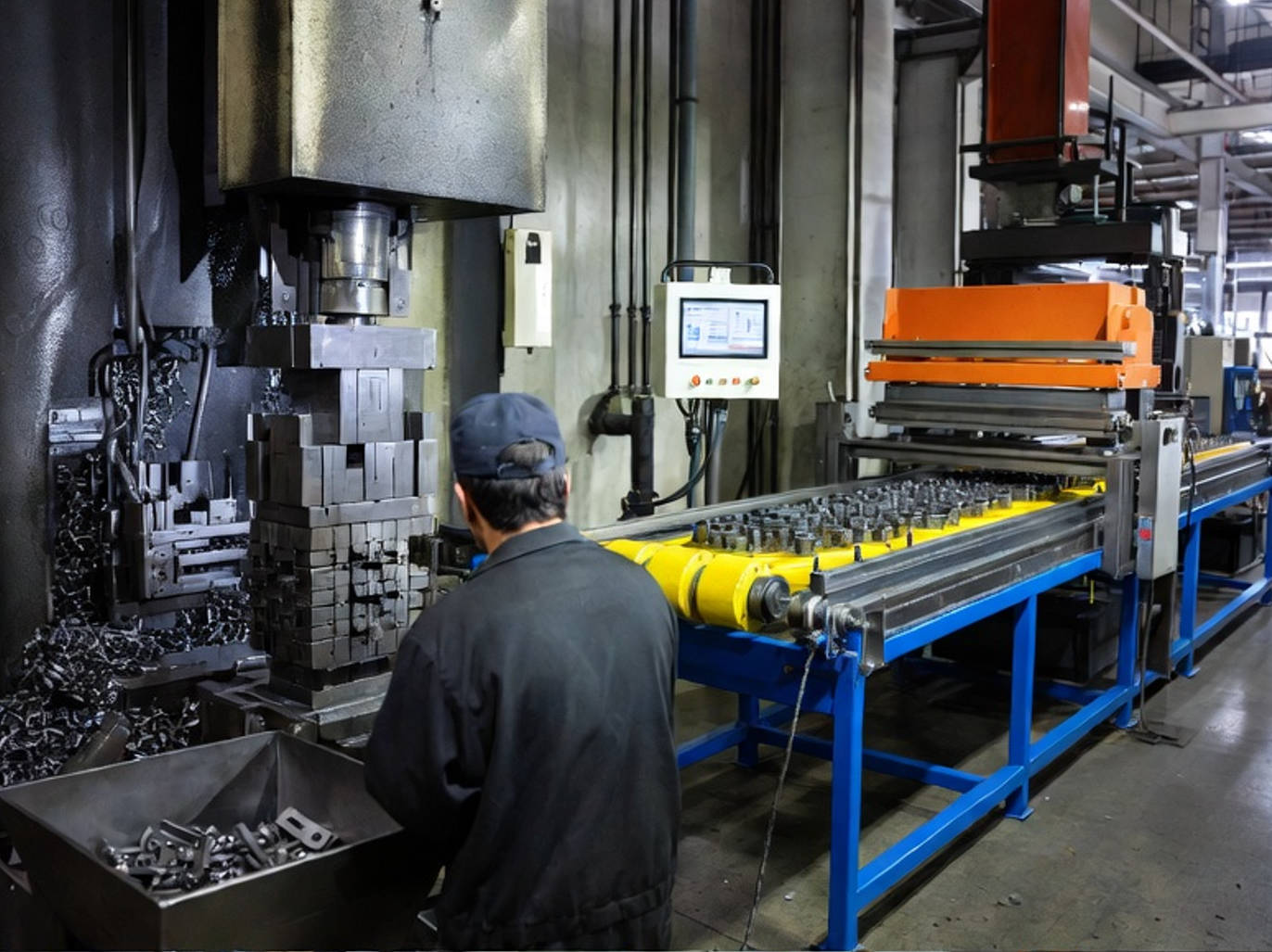
In metal stamping, magnetic conveyors are typically installed under presses or alongside tooling to capture freshly produced parts and scrap, then transfer them to bins, scrap hoppers, or further processing equipment. This closed, beltless design makes them ideal for dirty, oily, and abrasive environments where conventional belts fail quickly.
Why Traditional Conveyors Struggle in Stamping Environments
Metal stamping is inherently harsh on conveying equipment. Press lines generate:
– Jagged scrap edges and slugs that cut or gouge belts.
– Oily, dirty environments that cause slippage, tracking issues, and premature wear.
– Heavy impact loads from falling parts and scrap, leading to stretching and tearing.
Conventional belt conveyors often suffer from:
– Frequent belt replacement and mechanical repairs.
– Jams caused by nested or tightly packed scrap.
– Safety risks when operators must clear blockages manually.
These recurring issues translate to unplanned downtime, extra maintenance labor, and higher total cost of ownership across the life of the line.
How MagSlide Magnetic Conveyors Work
MagSlide magnetic conveyors move ferrous scrap and parts using internal magnetic assemblies that travel beneath a stainless-steel slider bed. The magnets attract and drag metal along the conveying surface, while the top bed remains smooth, sealed, and free of external moving parts.
Because the belt is not exposed, sharp scrap cannot penetrate or tear it, and oily contaminants stay on the surface where they are easier to clean. This design is particularly effective for continuous-duty press operations where reliability and cleanliness are critical.
Key design benefits include:
– No external belts in contact with abrasive scrap.
– Fully enclosed frames that keep moving components protected.
– Continuous chain lubrication systems for long service life in tough conditions.
– Multiple configurations, including horizontal, inclined, and angle designs to fit tight press pits and plant layouts.
By combining these features, MagSlide magnetic conveyors provide dependable scrap handling with minimal preventive maintenance and fewer breakdowns.
Types of Magnetic Conveyors for Metal Stamping
Beltless magnetic conveyors for stamping are available in several main configurations so that plants can match the design to their scrap volume, part size, and floor layout.
Heavy-duty MagSlide magnetic chip conveyors are built for large volumes of abrasive scrap and chips produced by metal stamping, slitting, and forming operations. These units feature robust housings, oversized chains, and strong magnetic circuits to handle continuous, heavy impacts and long run times.
Medium-duty MagSlide conveyors balance strength and cost for general stamping, light machining, and part transfer. They are a practical choice when scrap volumes are moderate but reliability and cleanliness still matter.
Low-profile MagSlide conveyors are specifically designed to fit under presses, inside shallow pits, or in tight floor spaces where standard frames will not fit. Their compact height allows engineers to place them directly beneath dies and tooling where clearance is minimal.
Other magnetic conveyor and handling options used in stamping include:
– Magnetic lawnchair conveyors, typically used to lift parts or scrap from beneath presses up to higher discharge heights.
– Magnetic stacking and de-stacking conveyors, designed to feed and remove sheet stock from presses, shears, and welders.
– Magnetic timing belt conveyors, used when precise part spacing and synchronized transfer between operations are required.
These standardized platforms can be further customized with bases, hoppers, tanks, impact plates, and other options to meet specific press-line requirements.
Where Magnetic Conveyors Fit in a Stamping Line
One of the most common uses of magnetic conveyors is under-press scrap removal. A low-profile or heavy-duty MagSlide conveyor installed directly beneath the die captures falling scrap and slugs, then carries them away to a scrap hopper or centralized collection system.
This setup:
– Prevents scrap accumulation under presses.
– Reduces manual shoveling and cleanout by operators.
– Keeps workers away from sharp, hot, or oily scrap beneath the press.
Magnetic conveyors are also widely used to move finished or semi-finished ferrous parts from presses to downstream operations. Magnetic stacking and de-stacking conveyors, along with timing belt transfer conveyors, can:
– Feed blanks into presses with high positional accuracy.
– De-stack oily or closely packed sheets reliably without double-feeding.
– Transfer parts to welders, shears, or assembly lines without misalignment or tipping.
By controlling scrap and part flow in these areas, magnetic conveyors help stabilize press operations and reduce unplanned interruptions caused by material handling issues.
Operational Benefits: Productivity, Safety, and Cost
Magnetic conveyors provide a combination of higher uptime, better safety, and lower lifetime cost compared to conventional scrap handling methods.
Higher productivity and uptime come from:
– Reduced belt-related failures because there is no exposed belt to tear or stretch.
– Fewer jams thanks to positive magnetic control over thin, light, or irregular scrap.
– Shorter cleanup cycles and fewer unplanned stoppages for scrap removal.
Improved operator safety results from automating scrap removal and parts transfer, which significantly reduces manual handling of sharp scrap and heavy bins. Workers spend less time near moving press components and less time shoveling or raking jammed scrap, lowering the risk of cuts, pinch points, and other injuries.
Total cost of ownership is reduced even if magnetic conveyors cost more upfront than simple belt conveyors. Plants typically save money over time through:
– Fewer belt purchases and mechanical repairs.
– Lower labor costs for maintenance and cleanup.
– Less downtime due to jammed or failed conveyor components that halt a press line.
Over multi-year periods, many stamping plants see a favorable payback when they factor in reduced downtime, maintenance savings, and safety improvements.
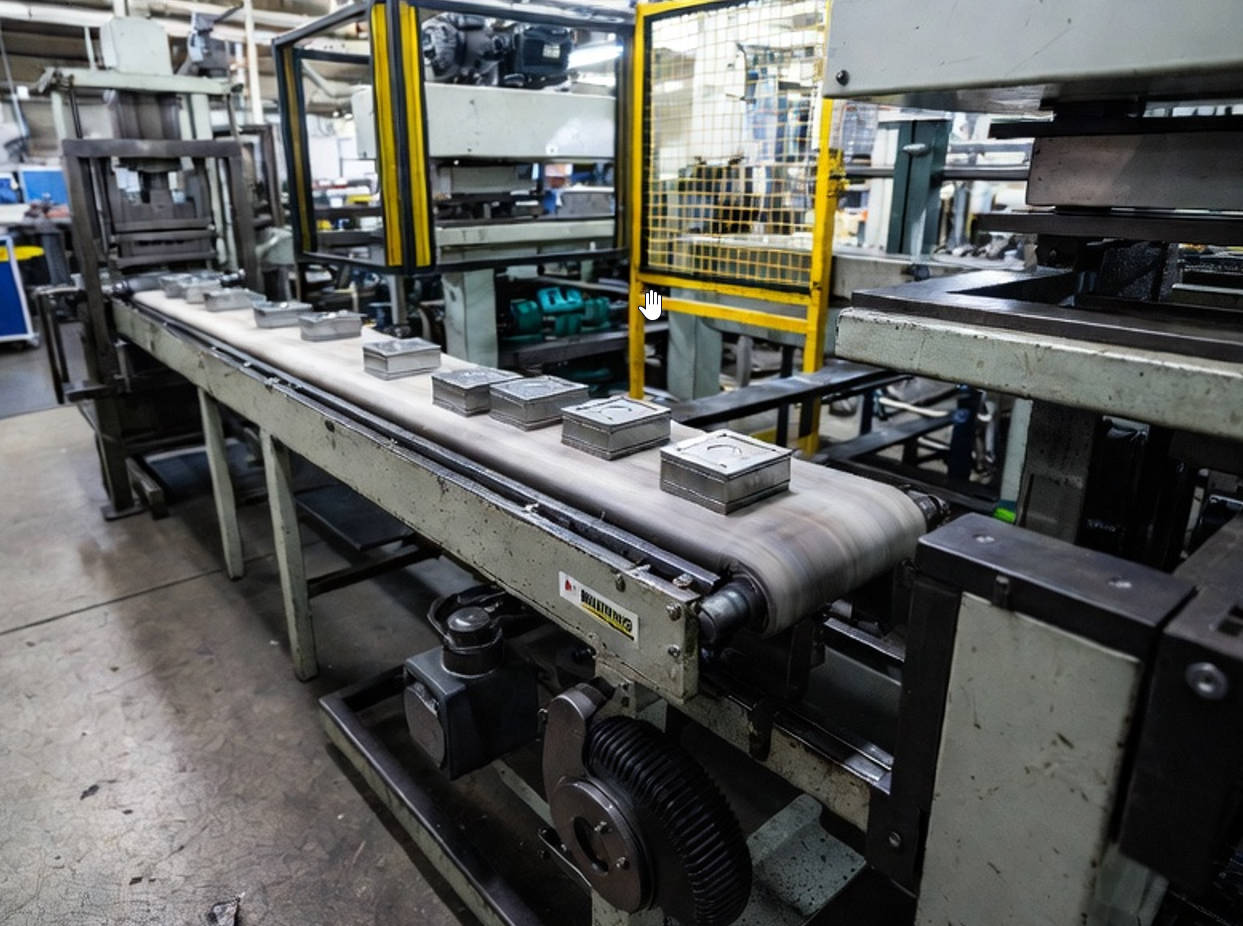
MagSlide Heavy-Duty, Medium-Duty, and Low-Profile Models
Heavy-duty MagSlide magnetic conveyors are engineered for large volumes of abrasive scrap and chips. They are often specified in automotive and appliance stamping plants where presses run at high strokes per minute and generate long skeletons or large, jagged offcuts. The rugged frames, thick slider beds, and powerful magnet assemblies are designed to survive constant impact loading.
Medium-duty MagSlide conveyors are widely used for mixed scrap and parts handling on smaller presses or lines that do not run full time. They provide many of the same beltless benefits but with a more economical build, making them attractive for general metal fabrication and smaller stamping operations.
Low-profile MagSlide conveyors are indispensable when under-press space is extremely limited. Their shallow design allows plant engineers to route magnetic conveyors through pits, narrow trenches, and compact transfer areas without major civil work. This is particularly helpful in older facilities where press foundations cannot easily be modified.
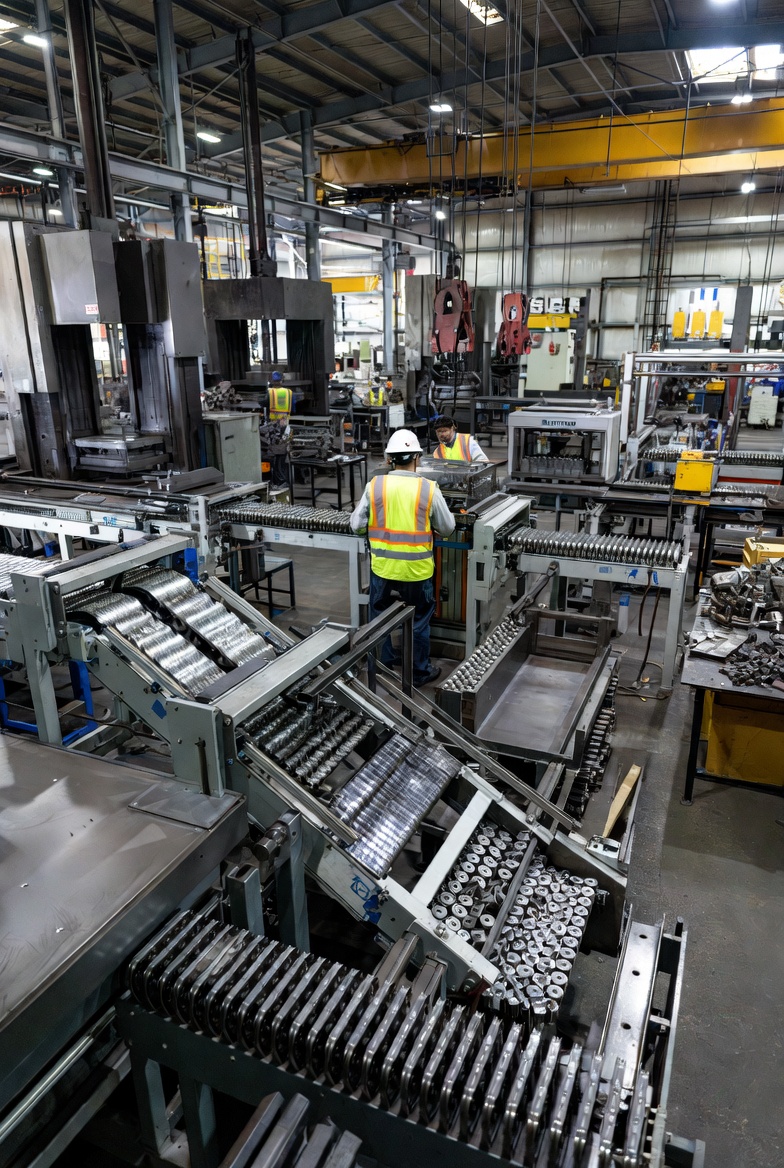
These heavy-duty, medium-duty, and low-profile options can be combined within a single system. For example, low-profile sections under the press can feed into heavier-duty incline sections that lift scrap to overhead containers.
Beyond Scrap: Stacking, De-Stacking, and Sheet Handling
In addition to chip and scrap handling, magnetic conveyors are used for precise sheet and part handling in metal stamping. Stacking and de-stacking conveyors use magnetic fields to stabilize sheets as they move between presses, shears, and welders.
Typical use cases include:
– Feeding steel sheets into stamping presses with consistent orientation and alignment.
– De-stacking oily or tightly nested sheets that are prone to double-feeding.
– Transferring formed parts to welding cells or finishing stations with accurate timing and spacing.
By maintaining control over the position of sheets and parts, these conveyors help reduce misfeeds, tooling damage, and quality defects. This improves overall throughput and consistency across the stamping line.
Custom-Engineered Magnetic Conveying Systems
Magnetic conveyor projects often start with standard components, but most high-value solutions are customized to fit each plant’s layout, scrap pattern, and press mix. Engineering teams can integrate:
– Multiple MagSlide conveyors, de-stackers, and transfer conveyors into one coordinated scrap and parts handling system.
– Magnetic separation pulleys and plate magnets to remove tramp iron or protect downstream equipment.
– Tanks, hoppers, and impact plates for coolant-rich, high-impact scrap environments.
From single conveyors underneath a single press to plant-wide scrap handling systems, the goal is to create a solution that fits existing floor space, press layouts, maintenance practices, and production goals. Properly engineered systems are easier to maintain, safer to operate, and more scalable when production volumes grow.
Practical Steps to Specify a Magnetic Conveyor
To get maximum value from magnetic conveyors for metal stamping, it helps to follow a structured specification process. Below is a practical step-by-step approach that maintenance teams and project engineers can use when working with suppliers.
1. Define the scrap and part characteristics
– Material type, usually low-carbon or alloy steel.
– Shape, such as slugs, skeletons, offcuts, small parts, or long strips.
– Size and thickness range for both scrap and parts.
– Typical temperature and oil level.
2. Measure production rates and duty cycle
– Press strokes per minute and average scrap weight per stroke.
– Operating hours per shift and shifts per day.
– Peak load during changeovers, new tool runs, or test runs.
3. Map the layout and discharge points
– Under-press space and pit depth, including obstructions.
– Required discharge height into bins, hoppers, or downstream equipment.
– Obstacles, columns, and access aisles around the press and conveyor path.
4. Clarify performance and safety priorities
– Target reduction in manual scrap handling and cleanup.
– Required uptime and acceptable maintenance intervals.
– Safety standards, guarding needs, and lock-out procedures that must be followed.
5. Share data with the magnetic conveyor supplier
– Drawings, photos, and process descriptions of the press line.
– Any previous conveyor failures or chronic issues that need to be solved.
This structured information allows the supplier to recommend the most appropriate magnetic conveyor model and layout, rather than relying on guesswork or generic sizing.
Example: Upgrading an Aging Press Line Scrap System
Consider a hypothetical automotive stamping plant operating multiple transfer presses on three shifts. The existing belt conveyors under the presses frequently jam due to nested scrap and fail because of belt cuts. Maintenance teams spend significant time replacing belts and clearing blockages, and operators regularly enter guarded areas to shovel scrap.
After reviewing scrap characteristics and line layout, the plant decides to install heavy-duty MagSlide magnetic conveyors under each press, with incline sections feeding into centralized hoppers. Low-profile sections are used under certain presses where pit depth is minimal, and impact plates are added under large offcuts to protect the conveyor surfaces.
Within the first year, the plant typically sees:
– A noticeable reduction in belt-related failures and emergency stops.
– Fewer safety interventions and less manual scrap shoveling.
– Lower cleanup time between shifts and improved overall throughput.
While each plant’s numbers will differ, this type of upgrade illustrates how beltless magnetic conveyors can transform scrap handling from a chronic problem into a stable, low-attention utility that supports continuous production.
Best Practices for Operating and Maintaining Magnetic Conveyors
Even though MagSlide conveyors are designed for low maintenance, following a few best practices helps maximize service life and reliability.
– Keep the slider bed clean
Regularly remove built-up oil, sludge, or non-magnetic debris from the surface so scrap and parts can move freely. Simple cleaning schedules often prevent most minor flow issues.
– Inspect seals and covers
Confirm that covers, side guards, and seals remain intact to prevent contaminants from entering the internal mechanism. Damaged covers should be repaired promptly to protect chains and magnets.
– Monitor chain lubrication
Use the built-in lubrication system correctly and verify that lubricant reservoirs are filled and delivering oil as intended. Inadequate lubrication can accelerate wear on chains and drive components.
– Check drive components
Periodically inspect motors, gearboxes, and sprockets for wear, noise, or vibration that might signal misalignment or overloading. Early detection of issues avoids unexpected stoppages.
– Review loading conditions
If scrap volumes or press speeds increase significantly, re-evaluate conveyor selection to ensure capacity is still adequate. Upgrading magnetic strength or conveyor size before problems occur can prevent future bottlenecks.
These simple practices help maintain stable, predictable operation and protect the long-term investment in magnetic scrap handling equipment.
Where Visuals Add the Most Value
To enhance user experience and comprehension, visuals can be added at key points in the article or product page.
A cross-sectional diagram under the section about how MagSlide magnetic conveyors work can show magnets moving beneath a sealed slider bed to illustrate the beltless design. In the types of magnetic conveyors section, a comparison graphic or labeled photos of heavy-duty, medium-duty, and low-profile conveyors can highlight differences in frame size, incline angles, and typical applications.
Under the section describing where magnetic conveyors fit in a stamping line, a simple layout diagram can show multiple presses discharging scrap to under-press conveyors that feed into a central scrap container. In the case study section, a short video of scrap moving smoothly on a magnetic conveyor in a real press line can help decision-makers visualize performance in their own plants.
Bunting’s Expertise and Support for Metal Stamping
Suppliers specializing in magnetic conveyors for stamping applications typically have many years of experience with automotive, appliance, construction, and general fabrication plants. Their engineers understand the realities of harsh press environments, including oils, coolants, abrasive scrap, and crowded floor space, and design solutions that stand up to these conditions.
Beyond supplying equipment, a strong supplier will emphasize ongoing support, from concept and layout design through installation, commissioning, and later optimization as production requirements change. This combination of application experience and technical support helps stamping plants move beyond short-term fixes and build long-lasting scrap and parts handling systems that grow with the business.
Plan Your Next Magnetic Conveyor Upgrade
If your metal stamping operation is fighting recurring conveyor failures, scrap backups, or unsafe manual handling, now is the time to evaluate magnetic conveyors and related magnetic handling solutions. By combining robust beltless designs, flexible configurations, and expert engineering support, you can significantly improve uptime, safety, and total cost of ownership.
You can start by documenting scrap types, press speeds, and under-press space, then sharing this information with a magnetic conveyor specialist. Together you can design a system that aligns with your production goals, safety standards, and future growth plans, transforming scrap handling into a reliable, low-maintenance part of your stamping operation.
Summary
Magnetic conveyors for metal stamping offer a powerful alternative to conventional belt conveyors in harsh scrap handling environments. By using internal magnet assemblies beneath a sealed slider bed, they provide reliable control of ferrous scrap and parts while reducing maintenance, downtime, and safety risks.
With options ranging from heavy-duty to low-profile models, along with stacking, de-stacking, and precision transfer conveyors, plants can configure complete systems tailored to their press lines. When combined with best-practice maintenance and expert engineering support, magnetic conveyors become a strategic investment that improves productivity and lowers total operating costs.
Contact us to get more information!
FAQ
1. What makes magnetic conveyors better than standard belt conveyors for metal stamping?
Magnetic conveyors provide positive control of ferrous scrap and parts without relying on exposed belts that can tear or slip. Their sealed, beltless design significantly reduces jamming, belt damage, and unplanned downtime, which are common issues with traditional belt conveyors in stamping environments.
2. Can magnetic conveyors handle thin, oily stamping scrap?
Yes. High-strength magnets under the slider bed securely hold even thin, lightweight scrap so it does not slide or fall off the conveying surface, even at steep inclines. This makes magnetic conveyors well suited for modern high-speed presses that generate fine, oily scrap in large volumes.
3. Are magnetic conveyors suitable for non-ferrous materials like aluminum?
Standard magnetic conveyors are optimized for ferrous materials such as steel scrap and parts, because they rely on magnetic attraction. Non-ferrous materials like aluminum, copper, or brass require alternative solutions, such as mechanical conveyors, eddy current separators, or specialized handling systems tailored to non-magnetic metals.
4. How much maintenance do magnetic conveyors require compared to belt conveyors?
Magnetic conveyors generally require less routine maintenance than belt conveyors, because there are no exposed belts to track, tension, or replace. Typical tasks include cleaning the slider bed, checking lubrication systems, inspecting covers, and monitoring drive components. With a simple preventive maintenance schedule, plants can keep these conveyors running reliably for many years.
5. Can magnetic conveyors be customized for tight press pits and complex layouts?
Yes. Low-profile models, angled configurations, and customized bases, hoppers, and tanks can be adapted to tight pits and complex press arrangements. Engineering teams can design magnetic conveyor systems around existing floor space, columns, and pits, ensuring that under-press scrap removal and part transfer are optimized without major structural changes.
Citations:
1. https://buntingmagnetics.com/blog/buntings-magslide-conveyor-for-metal-stamping
2. https://buntingmagnetics.com/product/conveyors
3. https://acgconveyors.com/partners/bunting-magnetic-conveyors/
4. https://www.prab.com/metal-stamping-operations-the-role-of-magnetic-conveyors-in-managing-thin-scrap/
5. https://www.mc3mfg.com/products/chip-scrap-conveyors/magnetic/
6. https://africanmagnets.com/advantages-of-magnetic-conveyor-systems-2/
7. https://pemanet.org/bunting/
Hot Tags: Magnetic Conveyors For Metal Stamping, Metal Stamping Scrap Handling Solutions, Magnetic Scrap Conveyor Systems, Scrap Metal Conveyor Belts, Magnetic Chip Conveyors For Press Lines, Steel Scrap Removal Conveyor Equipment, Automated Scrap Handling Systems, Magnetic Conveyor For Ferrous Metal, Reduce Downtime In Metal Stamping, Industrial Magnetic Material Handling Conveyors