


Content Menu
● What Is a Large Pulley Magnet?
● How Pulley Magnets Work on Mining Conveyors
>> Why they are ideal for tramp metal protection
● Real Mining Case: Large Pulley Magnets on an Iron Ore Line
● Where Pulley Magnets Fit in the Mining Flowsheet
● Design Choices That Make or Break Performance
>> 1. Magnetic strength and magnet type
>> 2. Diameter, face width, and belt geometry
>> 3. Conveyor speed and burden depth
● Beyond Mining: Lessons from Other Industries
>> Industries relying on magnetic separation
● How Foshan Wandaye Positions Its Magnetic Solutions
● Practical Selection Checklist for Mining Engineers
● Comparing Pulley Magnets with Other Mining Magnet Options
● Strategic CTA: From Problem Recognition to Project Design
● Frequently Asked Questions (FAQ)
>> 1. How do I know if my mine really needs a large pulley magnet?
>> 2. Can a pulley magnet replace an overhead magnet on my main ore conveyor?
>> 3. What kind of maintenance does a pulley magnet require?
>> 4. Are pulley magnets suitable for fine ores and concentrates?
>> 5. What information should I provide to a supplier when requesting a quotation?
As a mining project consultant who has spent years on dusty conveyor walkways, I have seen pulley magnets quietly prevent million‑dollar failures on iron ore and aggregate lines. In this guide, I will unpack how large pulley magnets work in real projects, what engineers get wrong when specifying them, and how manufacturers like Foshan Wandaye and others design solutions that protect crushers, screens, and downstream processes. [buntingmagnetics]
What Is a Large Pulley Magnet?
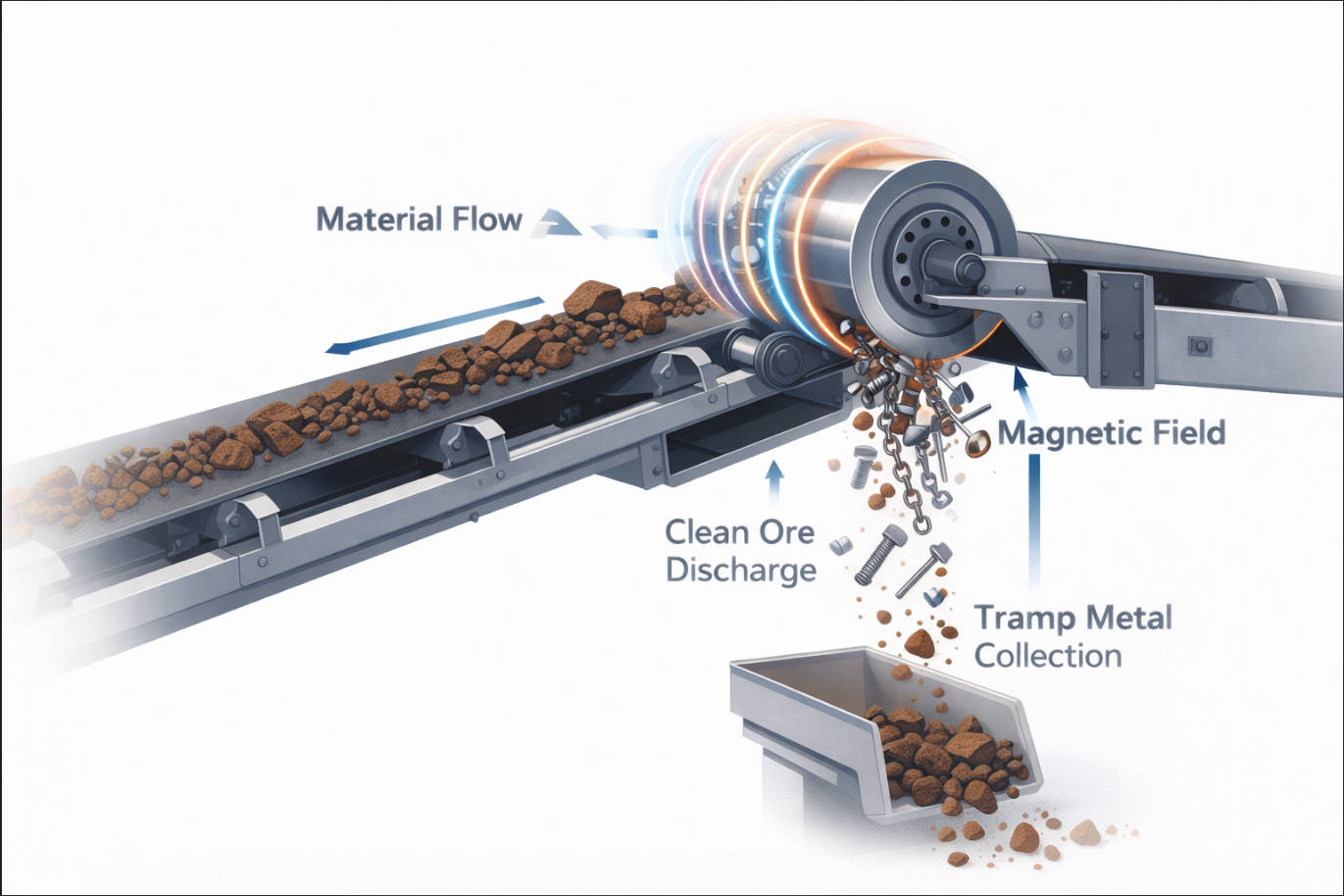
A large pulley magnet (or magnetic head pulley) is a self‑cleaning magnetic separator that replaces the head pulley of a conveyor belt. As material discharges, the magnetic field pulls ferrous metal away from the product stream and drops it into a safe collection zone. [buntingmagnetics]
Key characteristics:
– Permanent magnetic core (ceramic or rare‑earth) requiring no power supply. [eriez]
– Continuous automatic cleaning via the rotating belt and pulley shell. [imt-inc]
– Full‑width coverage of the conveyor, ideal for tramp metal removal in mining and quarrying. [okonrecycling]
For heavy mining duty, diameters of 1.0–1.2 m and widths matched to wide ore conveyors are common, as in a Swedish iron ore operation running 1.2 m diameter pulley magnets before crushing and screening. [flickr]
How Pulley Magnets Work on Mining Conveyors
From the operator’s side, a pulley magnet feels simple: material goes over the head pulley, clean ore continues, and metal is gone. Under the hood, the physics and configuration matter a lot. [buntingmagnetics]
Basic working principle
1. Bulk ore or aggregate travels on a conveyor toward the head pulley.
2. As the material enters the magnetic field of the pulley, ferrous and weakly magnetic pieces are attracted to the shell surface. [buntingmagnetics]
3. The belt carries these metal pieces over the top and underneath the pulley, out of the magnetic field.
4. Gravity releases the metal into a chute or collection bin, while non‑magnetic material follows a normal trajectory. [okonrecycling]
Compared with overhead suspended magnets or drum separators, pulley magnets offer compact installation when space above the belt is limited or when retrofitting into existing head‑pulley locations. [dingsmagnets]
Why they are ideal for tramp metal protection
– They sit at the natural discharge point, ensuring maximum exposure of material.
– They work continuously with no operator intervention once correctly set.
– They protect primary crushers, screens, mills, and transfer points from damage and unscheduled stoppages. [globalminingreview]
In a typical iron ore line, operators see fewer cracked crusher housings, reduced liner damage, and more stable throughput once tramp metal is consistently removed at the head pulley. [stanfordmagnets]
Real Mining Case: Large Pulley Magnets on an Iron Ore Line
One reference project often discussed in industry circles is a Swedish iron ore operation that installed two 1.2 m diameter pulley magnets upstream of the crushing and screening plant. The goal was straightforward: remove large tramp metal from the ore stream before it could hit high‑value equipment. [linkedin]
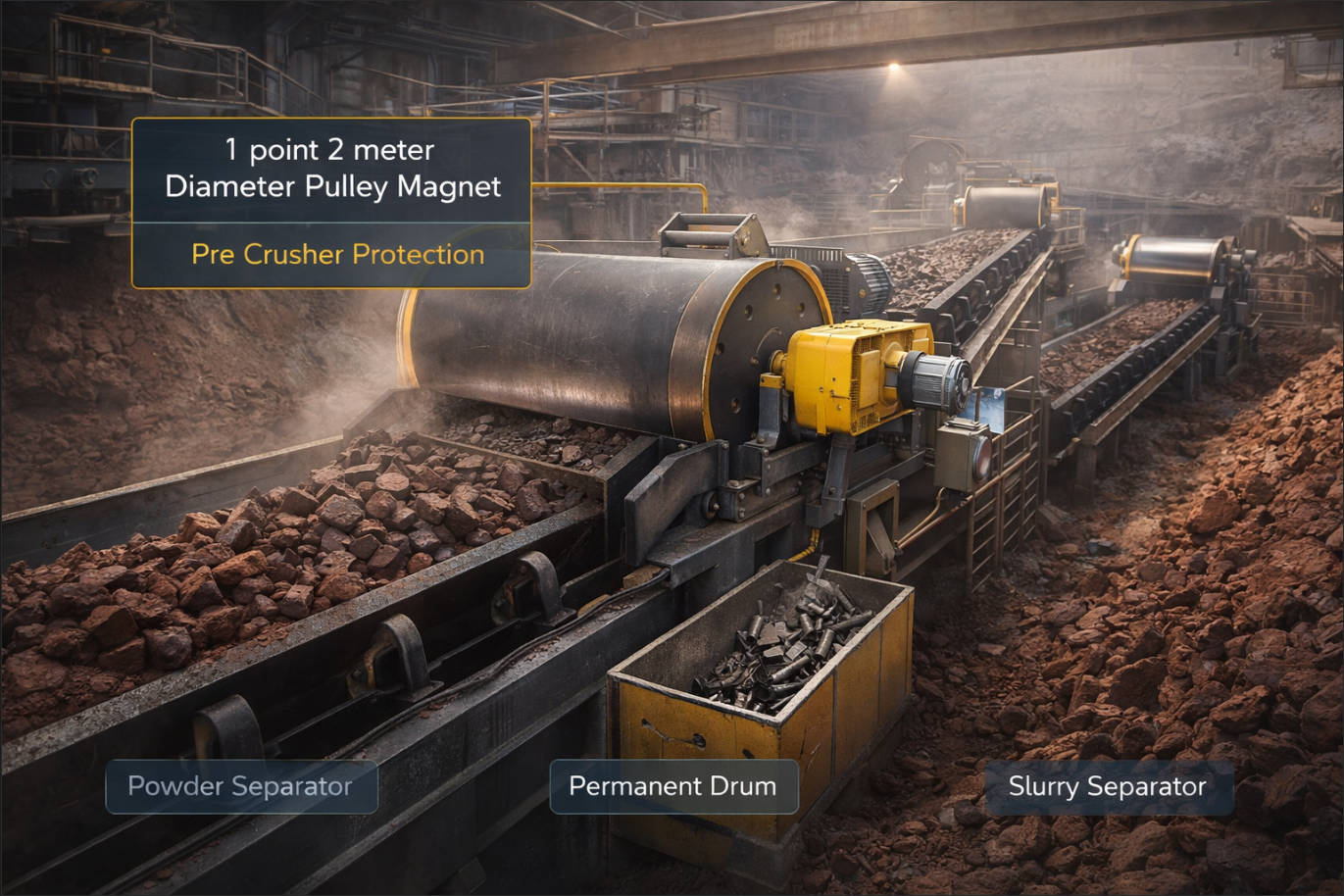
From a project engineer’s viewpoint, three decisions proved critical:
– Choosing the correct diameter and magnetic strength to handle deep burden depths and heavy ore lumps. [dingsmagnets]
– Positioning the pulleys as true head pulleys so all material passed directly through the magnetic field.
– Designing a robust collection chute and access platform for safe inspection and metal removal.
The result: a significant reduction in crusher damage, fewer emergency shutdowns, and improved safety for maintenance crews who previously had to manually pull metal from transfer points. [globalminingreview]
Where Pulley Magnets Fit in the Mining Flowsheet
Pulley magnets are not stand‑alone solutions; they sit within a wider magnetic separation strategy across the mine and plant. [eriez]
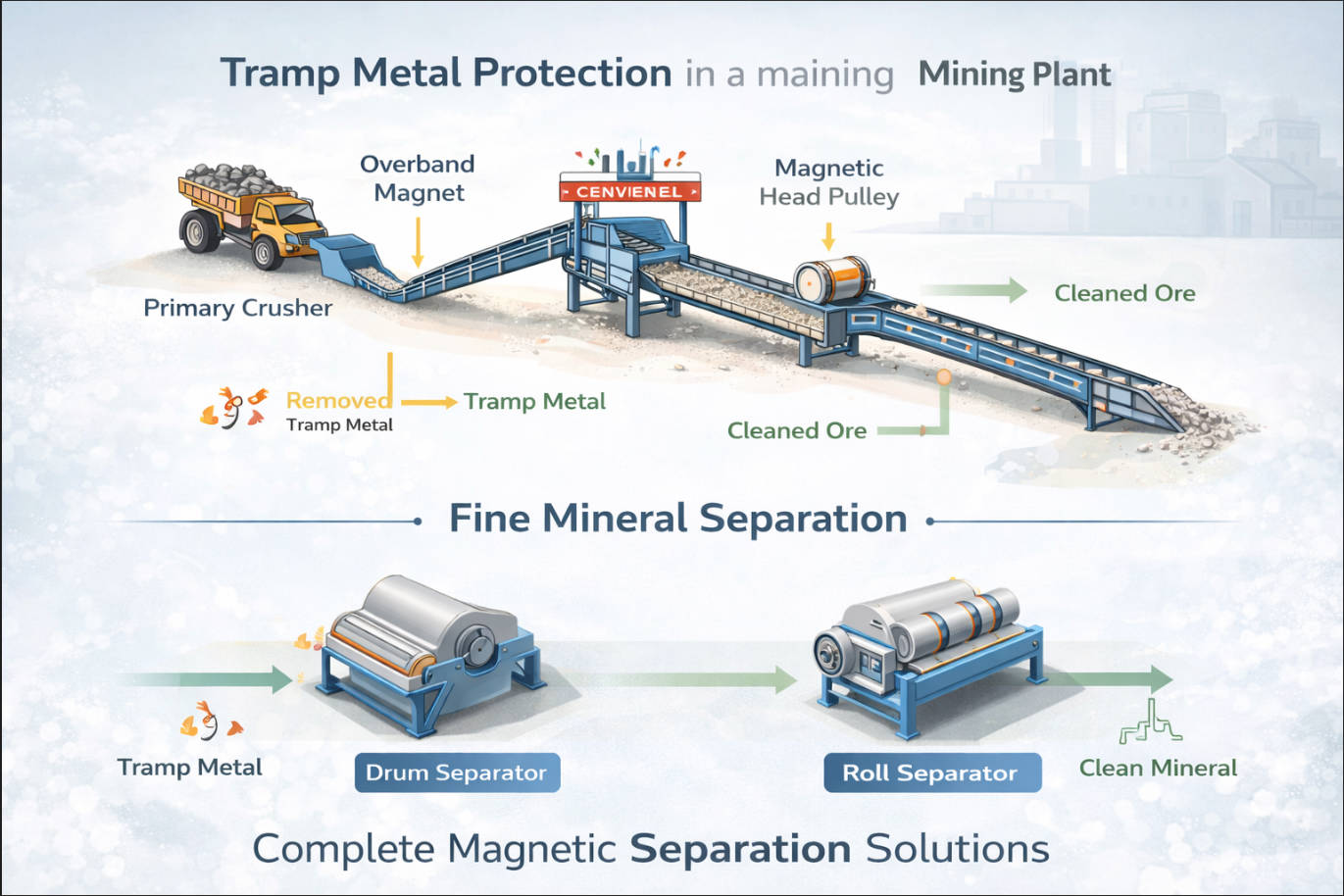
Typical locations
– Primary and secondary ore conveyors feeding crushers.
– Transfer conveyors before screening stations.
– Coarse tailings or waste conveyors where metal must be recovered or isolated.
They are often combined with:
– Overband or suspended magnets over the belt for deeper burden capture. [stanfordmagnets]
– Drum or roll separators for fine mineral separation downstream.
This “top‑and‑bottom” strategy—overhead magnet plus magnetic head pulley—allows one separator to pull metal from the top of the load while the other works from the bottom, increasing capture efficiency for buried metal. [dingsmagnets]
Design Choices That Make or Break Performance
As someone who has reviewed failed installations, I see the same mistakes repeated. Getting the design of a large pulley magnet for mining right involves more than just ordering a bigger drum.
1. Magnetic strength and magnet type
– Ceramic / ferrite magnets: Robust, cost‑effective, adequate for many tramp‑metal tasks. [imt-inc]
– Rare‑earth (NdFeB) magnets: Higher field strength and gradients for smaller, weakly magnetic contaminants or high belt speeds. [buntingmagnetics]
Overspecifying field strength can increase cost without added benefit, while underspecifying leads to metal “escape” and false security. [eriez]
2. Diameter, face width, and belt geometry
– Larger diameters (e.g., 1.2 m) support deeper burden depths and larger particle sizes common in iron ore and hard‑rock mining. [buntingmagnetics]
– The magnet face should cover the full belt width, including tracking tolerances, to avoid side‑edge metal bypass. [okonrecycling]
Incorrect geometry often shows up as localized wear and metal slipping off un‑magnetized edges.
3. Conveyor speed and burden depth
High belt speeds reduce exposure time in the magnetic field, which means you may need:
– Higher magnetic intensity, or
– Larger diameter pulleys, or
– A combined overhead‑plus‑pulley configuration. [buntingmagnetics]
Burden depth is one of the most critical design variables; deep, packed ore can shield metal buried lower in the load, especially on wide, high‑capacity belts. [dingsmagnets]
Beyond Mining: Lessons from Other Industries
Although this article focuses on mining, pulley magnets and related separators are widely used in other sectors, and those applications offer useful design insights.
Industries relying on magnetic separation
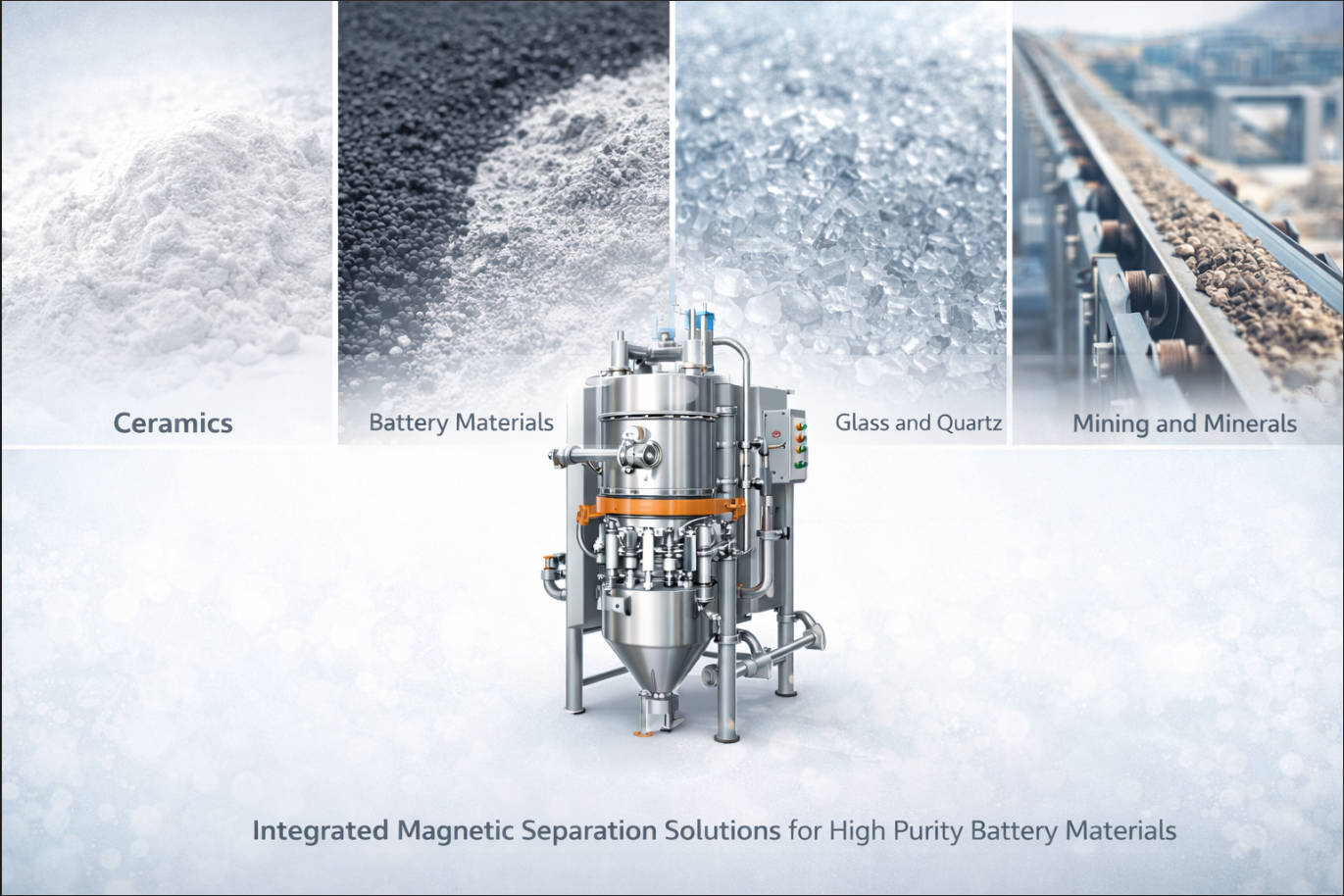
Manufacturers like Foshan Wandaye supply powder magnetic separators and permanent magnetic separators into: kaolin, quartz sand, ceramics, glass, plastics, rubber, power, building materials, environmental protection, pharmaceuticals, food, and battery cathode/anode materials. [en.fswandaye]
Key lessons mining engineers can borrow:
– From ceramics and glass: The importance of very low iron contamination thresholds to protect whiteness and transparency. [en.fswandaye]
– From battery materials: How fine‑powder separators and slurry magnetic systems manage extremely small ferromagnetic particles that would never be visible on a conveyor belt. [magneticseparatormachine.sell.everychina]
These insights often help mines that must also produce high‑purity concentrates or specialty mineral products.
How Foshan Wandaye Positions Its Magnetic Solutions
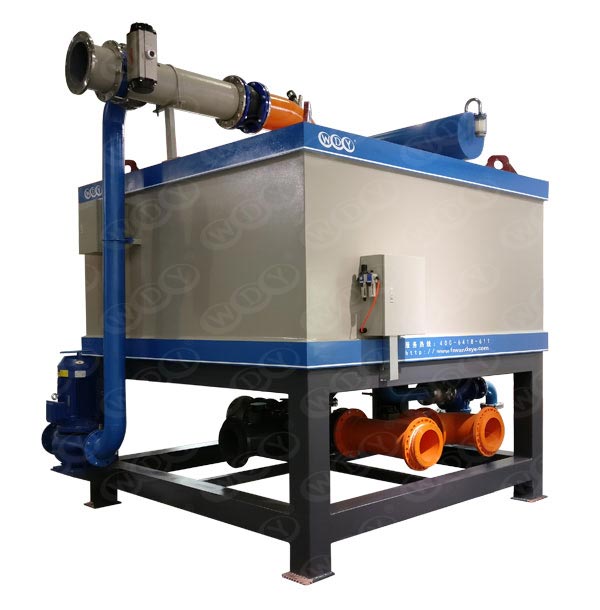
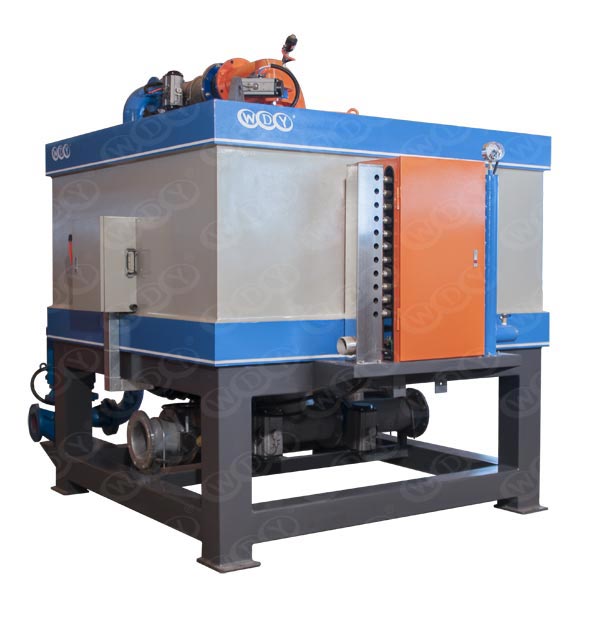
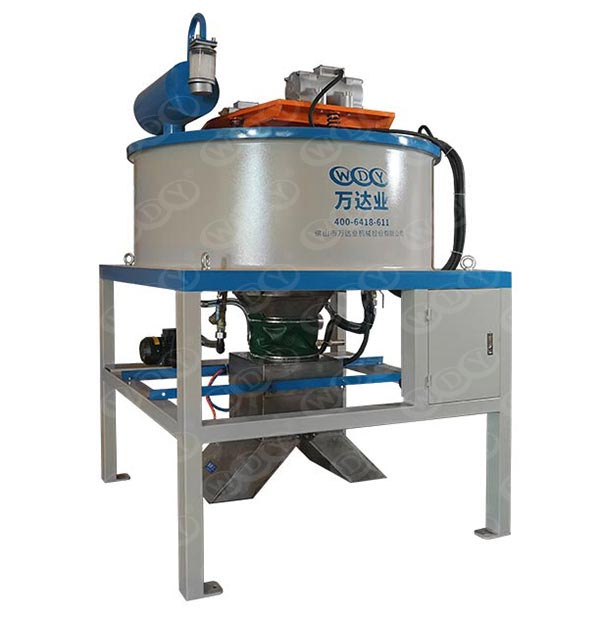
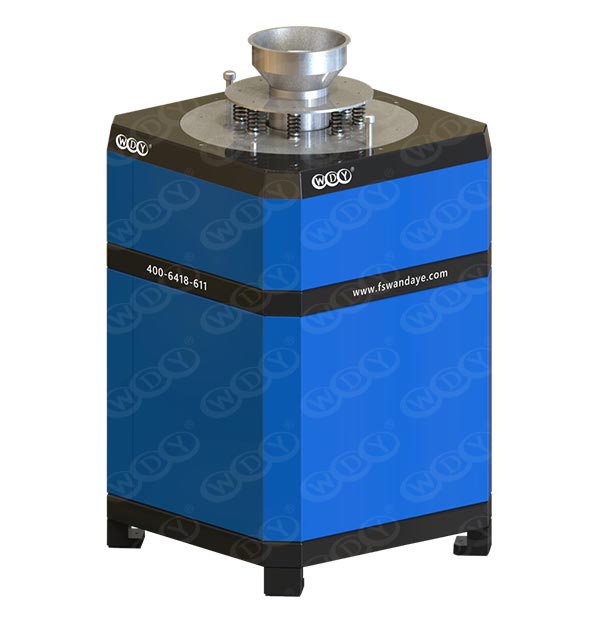
Foshan Wandaye Technology Co., Ltd. is a specialized magnetic separator manufacturer integrating R&D, engineering design, production‑line installation, and commissioning. The company’s portfolio spans: electromagnetic separators, permanent magnetic separators, slurry separators, and dry powder magnetic separators. [en.fswandaye]
In practice, this means that for a mining or mineral processing project, Wandaye can:
– Provide dry powder separators for materials like quartz sand and kaolin.
– Supply slurry or wet high‑intensity systems for fine mineral beneficiation and impurity removal. [magneticseparatormachine.sell.everychina]
– Engineer project‑specific layouts and commissioning support, as shown in battery material separation projects in regions such as Xiamen, Fujian. [en.fswandaye]
For operations considering large pulley magnets in combination with other separation stages, working with a supplier that spans both dry and wet separation provides better system‑level optimization.
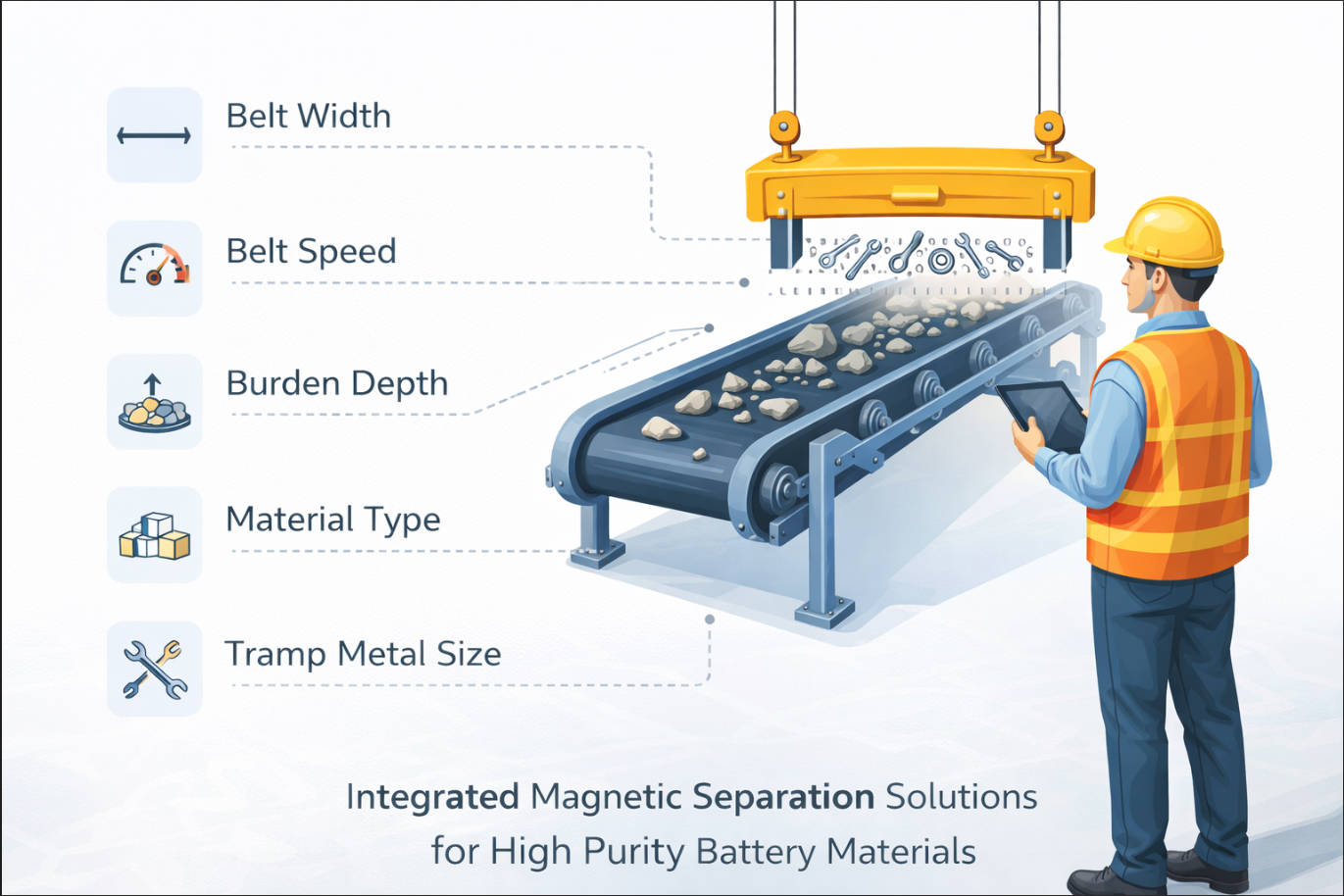
Practical Selection Checklist for Mining Engineers
When I sit down with a mine maintenance manager to specify a pulley magnet, we walk through a checklist like this:
1. Define your problem clearly
– Are you losing production to crusher jams, screen damage, or conveyor tears?
– What size and type of metal have you historically seen (bucket teeth, drill rods, broken wear parts)?
2. Audit your conveyor conditions
– Belt width, speed, burden depth, and material characteristics.
– Space availability at the head pulley (for larger diameters and access platforms).
3. Match magnet design to risk level
– Choose magnet type (ceramic vs rare‑earth), diameter, and face width.
– Decide whether to pair with an overhead or crossbelt magnet.
4. Engineered integration
– Design chutes for separate metal discharge.
– Plan structural supports, guarding, and safety access.
5. Plan for monitoring and maintenance
– Periodic inspection for wear, belt tracking, and build‑up.
– Simple procedures for safe removal and disposal of collected metal.
Using a structured approach like this helps justify capital expenditure by linking the design to tangible savings in downtime, repairs, and safety incidents. [globalminingreview]
Comparing Pulley Magnets with Other Mining Magnet Options
| Aspect | Pulley Magnet | Overband / Suspended Magnet | Drum Magnet |
|---|---|---|---|
| Installation point | Head pulley of conveyor buntingmagnetics | Above conveyor belt globalminingreview | Separate feed or underflow stream buntingmagnetics |
| Main purpose | Continuous tramp metal removal at discharge buntingmagnetics | Deeper burden tramp metal capture globalminingreview | Finer or concentrated separation duty buntingmagnetics |
| Space requirements | Minimal vertical space, replaces head pulley buntingmagnetics | Requires overhead structural space globalminingreview | Requires dedicated housing and feed buntingmagnetics |
| Typical mining use | Pre‑crusher, pre‑screen protection buntingmagnetics | Primary tramp removal on main ore conveyors globalminingreview | Concentrate cleaning, tailings polishing buntingmagnetics |
This table can be adapted directly into your product or project pages to help engineers choose the right technology for their situation.
Strategic CTA: From Problem Recognition to Project Design
Once you have explained the technology and shown real mining cases, your article should guide readers into a clear next step. For a manufacturer like Foshan Wandaye, effective CTAs might include:
– “Request a free tramp‑metal risk assessment for your conveyor line.”
– “Send us your belt width, speed, and ore description to receive a tailored pulley magnet specification.”
– “Book an online engineering consultation to integrate pulley magnets with your existing separators.”
Place a short, action‑oriented CTA near the end of the case study section and a stronger CTA at the article’s conclusion, linking to your contact form, technical questionnaire, or project inquiry email.
Frequently Asked Questions (FAQ)
1. How do I know if my mine really needs a large pulley magnet?
If you experience repeated crusher jams, damaged screens, or see broken wear parts and drill rods on your conveyors, a large pulley magnet is usually justified as a preventive measure. A basic audit of incident records and maintenance logs will quickly show whether tramp metal is a chronic issue. [stanfordmagnets]
2. Can a pulley magnet replace an overhead magnet on my main ore conveyor?
In some cases, yes, but in high‑throughput mining operations they often work together: the overhead magnet pulls metal from the top of the load, and the pulley magnet captures pieces buried in the lower layers at discharge. Your choice should depend on burden depth, belt speed, and risk tolerance. [globalminingreview]
3. What kind of maintenance does a pulley magnet require?
Pulley magnets are low‑maintenance because the magnetic core is permanent, but you still need regular inspections for belt tracking, shell wear, and build‑up in the metal discharge area. Periodic cleaning and mechanical checks help preserve separation efficiency and conveyor reliability. [imt-inc]
4. Are pulley magnets suitable for fine ores and concentrates?
Pulley magnets are excellent for coarse tramp metal, but for fine ferromagnetic particles or ultra‑clean products you will usually need complementary wet high‑intensity or powder magnetic separators. Many plants combine head pulleys with specialized fine‑particle separators downstream. [en.fswandaye]
5. What information should I provide to a supplier when requesting a quotation?
At minimum, prepare your belt width, speed, burden depth, material type, particle size range, and known tramp‑metal types. Including layout drawings and photos of the conveyor head section will also help the supplier design a safer and more effective pulley magnet solution. [okonrecycling]
References
1. Bunting Europe – “Large Pulley Magnets for Mining Project”
<https://buntingmagnetics.com/blog/large-pulley-magnets-for-mining-project> [buntingmagnetics]
2. Bunting – Magnetic Head Pulleys Product Page
<https://buntingmagnetics.com/product/magnetic-separation/magnetic-head-pulleys> [buntingmagnetics]
3. Eriez – Magnetic Pulleys
<https://www.eriez.com/Products/Magnetic-Separation/Magnetic-Separation-for-Tramp-Metal/Large-Magnetic-Separation/Magnetic-Pulley> [eriez]
4. Dings – Magnetic Head Pulley Uses and Applications
<https://dingsmagnets.com/magnetic-head-pulleys-uses-and-applications/> [dingsmagnets]
5. Okon Recycling – Industrial Magnets for Mining and Quarrying Operations
<https://www.okonrecycling.com/industrial-scrap-metal-recycling/container-services/industrial-magnets-mining-quarrying-operations> [okonrecycling]
6. Global Mining Review – “Bunting Electro Magnet Protects Gold Mine”
<https://www.globalminingreview.com/handling-processing/22072020/bunting-electro-magnet-protects-gold-mine/> [globalminingreview]
7. Stanford Magnets – “Permanent Magnets Used in the Mining Industry”
<https://www.stanfordmagnets.com/permanent-magnets-used-in-the-mining-industry.html> [stanfordmagnets]
8. Foshan Wandaye Machinery Equipment Co., Ltd. – Official Website
<http://en.fswandaye.com> [en.fswandaye]
9. EveryChina – Wandaye Wet High Intensity Magnetic Separation for Kaolin
<https://magneticseparatormachine.sell.everychina.com/p-110633075-wet-high-intensity-magnetic-separation-equipment-for-kaolin.htm> [magneticseparatormachine.sell.everychina]
10. IMT – Magnetic Head Pulleys
<https://www.imt-inc.com/products/magnetic-head-pulleys/> [imt-inc]
Hot Tags: Pulley Magnet, Manufacturers, Customized, Custom, Suppliers, Buy, Cheap, Quality, Advanced, Durable, in Stock, Made in China, Price, Quotation