Content Menu
● Why Look to Uzbekistan and Its Supply Network
● How We Evaluate High‑Quality Magnetic Roller Separator Suppliers
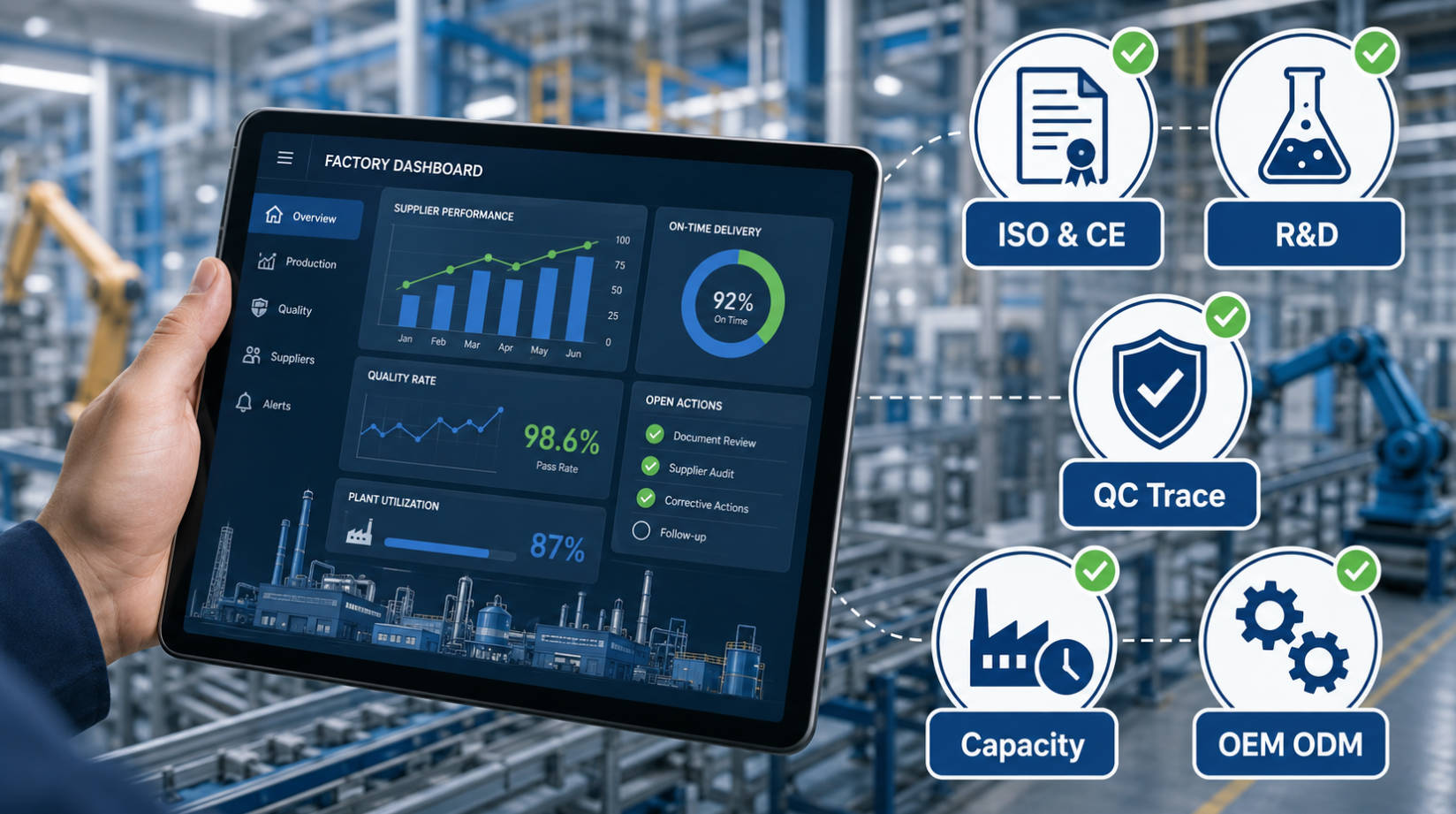
>> 1. Factory certification and compliance
>> 2. R&D capability and engineering depth
>> 3. QC processes and traceability
>> 4. Production capacity, lead time stability, and scalability
>> 5. OEM/ODM, documentation, and service
● Technical Overview: What Matters in Magnetic Roller Separator Design
● Selection Criteria for This “Top Suppliers in Uzbekistan” Shortlist
● Top Magnetic Roller Separator Manufacturers Serving Uzbekistan
>> 1. Kumar Magnet Industries (India) – Strong presence “in Uzbekistan”
>> 2. Jaykrishna Magnetics (India) – High‑intensity specialist
>> 3. Foshan Wandaye Technology (China) – R&D‑driven, flexible partner for mid‑sized brands
>> 4. Global multi‑product magnetic separator manufacturers
>> 5. Regional and local integrators in Central Asia
● Comparative Snapshot of Key Supplier Types
● Industry Pain Points and “Hidden” Red Flags in Sourcing
>> Common pitfalls when sourcing magnetic roller separators
>> Internal “avoid‑the‑trap” guideline rarely discussed online
● Buyer’s Guide: How to Verify Suppliers and Projects in Uzbekistan
>> 1. Verifying factory identity and certifications
>> 2. Sample testing and performance validation
>> 3. Contracting and logistics into Uzbekistan
>> 4. On‑site inspection checklist
● Conclusion and Call to Action
● FAQ: Advanced Questions from Real Procurement Scenarios
>> Q1: How can I verify whether a manufacturer’s ISO certification is current and not expired?
>> Q4: Is it risky to source from smaller, highly flexible OEMs compared to global brands?
>> Q5: What is the recommended way to structure performance guarantees for magnetic roller separators?
Why Look to Uzbekistan and Its Supply Network
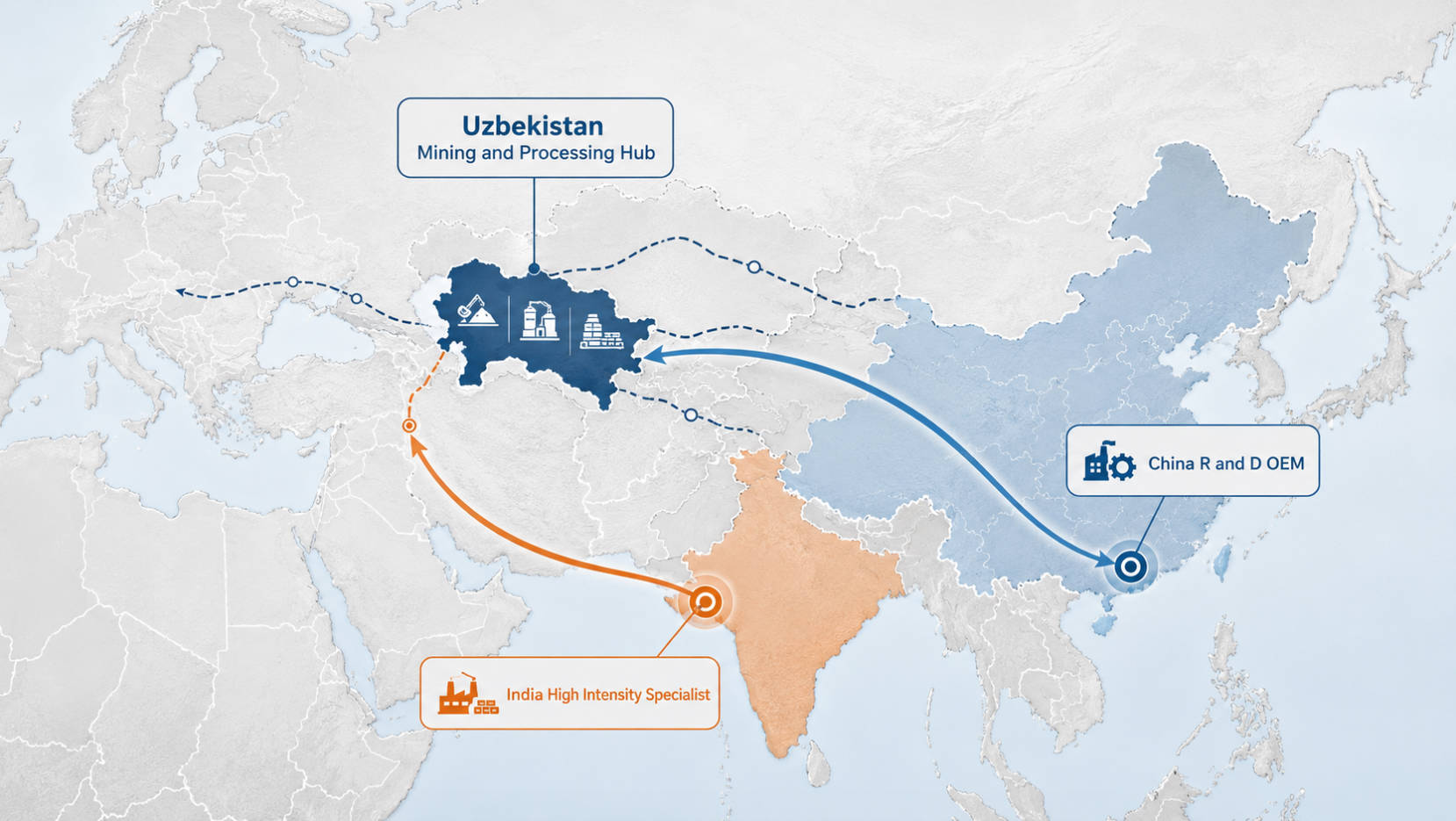
Uzbekistan has become one of Central Asia’s most active mining and industrial processing hubs, driven by reforms in its subsoil and environmental regulations that attract foreign investment into mineral extraction and processing. As mining, building materials, and recycling projects scale up, the demand for reliable magnetic separation equipment—including magnetic roller separators for fine iron removal—has grown steadily. [eoitashkent.gov]
Most high‑performance magnetic roller separators used in Uzbekistan are supplied by a mix of international manufacturers with regional agents and EPC partners rather than purely local brands, because this product segment requires advanced magnet materials, precision machining, and strong application engineering. For buyers in Uzbekistan, this means that shortlisting the right manufacturer is less about nationality and more about proven experience with Central Asian ores, process conditions, and regulatory expectations. [wiseguyreports]
How We Evaluate High‑Quality Magnetic Roller Separator Suppliers
Before naming any manufacturer, it is important to be transparent about the selection criteria used in this guide. Below are the key evaluation dimensions we apply from a procurement and engineering perspective.
1. Factory certification and compliance
– Valid ISO 9001 quality management certification, verified via the issuing body or global registries rather than only a PDF copy from the supplier.
– Environmental and safety compliance, including CE conformity for machinery exported into the EU and, where applicable, RoHS for low‑contamination, food, or battery materials applications. [futuremarketinsights]
– For Uzbekistan projects, familiarity with local subsoil, safety, and environmental assessment procedures is a plus, since mining operators must pass environmental impact assessments before commissioning new separation equipment. [eoitashkent.gov]
2. R&D capability and engineering depth
– Dedicated R&D or technical center able to optimize roller designs, pole configurations, and magnet circuits for different particle sizes and throughput ranges. [futuremarketinsights]
– Experience with high‑intensity rare‑earth magnetic rollers (e.g., NdFeB grades) for ultra‑fine paramagnetic or weakly magnetic contamination, common in ceramics, glass, and battery material processing. [jkmagnetic]
– Ability to simulate or pilot‑test separation performance on customer samples, not only quote based on nameplate capacity.
3. QC processes and traceability
– Documented incoming material inspection, especially for magnet blocks (grade, coercivity, temperature resistance), stainless steel housings, bearings, and electrical components.
– In‑process QA (welding quality, concentricity of rollers, balance tests) and final performance testing with recorded magnetic field intensity (Gauss/Tesla) and run‑out tolerances. [futuremarketinsights]
– Traceable serial numbers and service records for each unit, which is essential for mining and food clients that operate under strict audit regimes.
4. Production capacity, lead time stability, and scalability
– Sufficient installed capacity (sets per month) and a clear peak‑season production plan to avoid chronic delays after contract signing. [futuremarketinsights]
– Proven ability to scale from single units to full production‑line packages (including feeders, conveyors, and downstream sieving or packing equipment) for brownfield and greenfield projects. [wdymagnetic]
– For Uzbekistan buyers, experience shipping into Central Asia (via China–Kyrgyzstan–Uzbekistan, Kazakhstan, or the Caspian corridor) reduces logistics risk and hidden costs. [eoitashkent.gov]
5. OEM/ODM, documentation, and service
– Depth of OEM and ODM experience: customized magnet grades, roller diameters, multi‑stage cascades, and control interfaces that integrate into existing SCADA or DCS systems. [fswandaye]
– Availability of multilingual technical documentation (English plus Russian as a minimum for Uzbek operators; Chinese, if dealing with EPCs from China) and remote commissioning support.
– Local or regional partners for installation, training, and spare parts, which is particularly valuable when plant sites are in remote mining areas.
Technical Overview: What Matters in Magnetic Roller Separator Design
From an expert buyer’s viewpoint, magnetic roller separators are not commodities; subtle engineering differences have large impact on yield, purity, and operating costs. [jkmagnetic]
Key technical parameters
– Magnet material and grade
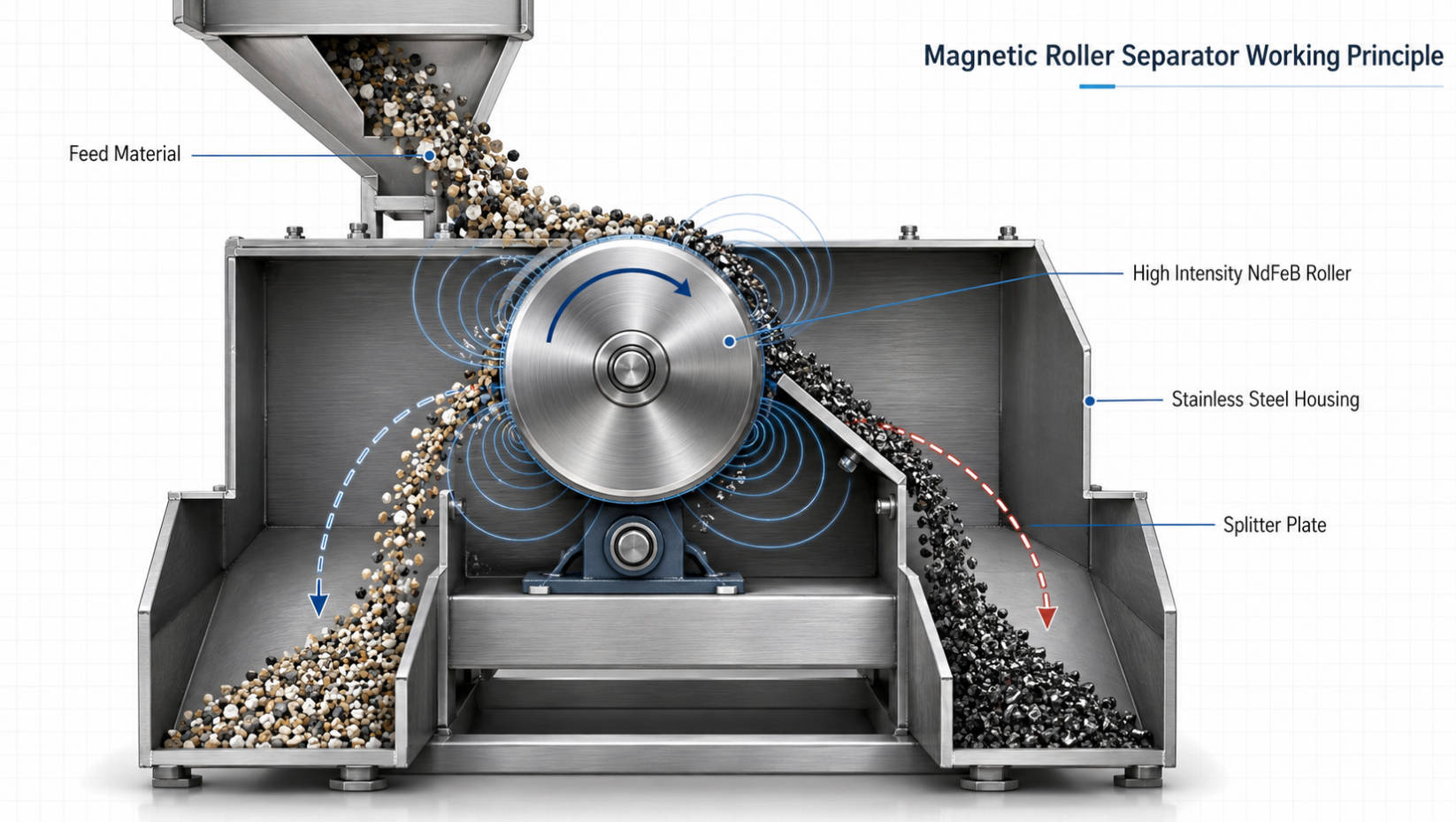
High‑intensity magnetic rollers typically use rare‑earth NdFeB magnets in medium to high grades (e.g., N35 and above), with appropriate temperature ratings depending on process temperature. Lower‑grade or recycled magnets may significantly reduce field strength and long‑term stability. [wiseguyreports]
– Field intensity and gradient
Effective separation of weakly magnetic particles relies on both the absolute field strength (often specified in Gauss at the surface) and the field gradient created by pole design and roller configuration. Suppliers who can provide calibrated Gauss measurements and field simulations are more trustworthy than those who only state generic “high intensity”. [jkmagnetic]
– Roller design and configuration
Multi‑roller or multi‑stage separators can recover higher purity fractions by passing material through repeated magnetic zones, with adjustable splitter positions to fine‑tune concentrate vs. tails. For Uzbekistan’s mining and building materials projects, this matters when upgrading low‑grade ore or protecting downstream mills. [jkmagnetic]
– Build quality and hygiene
For ceramics, glass, plastics, food, and battery materials, the choice of stainless steel grade (often 304 or 316L), surface finish, and sealing design impacts both cleanliness and ease of CIP (clean‑in‑place) or dry cleaning. [wdymagnetic]
– Certification and testing
CE (for mechanical and electrical safety) and, where necessary, ATEX for explosive dust environments, plus application‑specific standards such as HACCP for food lines or industry guidance for lithium battery material handling. [marketresearchfuture]
Global market studies show that magnetic separators, including roller types, continue to grow at around 4–6% CAGR through 2035, driven by mining, recycling, and advanced materials processing. This trend supports long‑term investment in robust equipment rather than low‑cost, short‑life alternatives. [researchandmarkets]
Selection Criteria for This “Top Suppliers in Uzbekistan” Shortlist
Because Uzbekistan’s domestic manufacturing base for high‑end magnetic roller separators is still developing, this list focuses on manufacturers that:
– Actively market and supply magnetic roller separators “in Uzbekistan” via direct export or local agents. [kumarmagnet]
– Have verifiable track records in mining, ceramics, building materials, or related sectors.
– Provide at least one of the following: CE certification, ISO 9001, or similar recognized standards for quality and safety. [wdymagnetic]
– Offer OEM/ODM customization suitable for integrators and private‑label brands.
The list blends established global brands with specialized, high‑value Chinese manufacturers such as Foshan Wandaye Technology (Wandaye Technology), which are particularly attractive to mid‑sized buyers seeking performance plus flexibility. [fswandaye]
Top Magnetic Roller Separator Manufacturers Serving Uzbekistan
> Note: Company details (year founded, markets, etc.) are compiled from public information and industry reports available up to mid‑2026. [kumarmagnet]
1. Kumar Magnet Industries (India) – Strong presence “in Uzbekistan”
Kumar Magnet Industries promotes itself as a top supplier of magnetic roller separators specifically “in Uzbekistan,” highlighting its export focus and channel network into Central Asia. With a history in magnetic equipment manufacturing, the company covers standard and high‑intensity roller separators for mining, food, and plastics applications. [kumarmagnet]
Core strengths include a broad catalog of magnetic equipment, responsive customization, and multiple export references from emerging markets. For Uzbek buyers, Kumar’s main advantages are established export workflows, experience with dusty and abrasive environments, and the ability to consolidate different magnetic products in one shipment. [kumarmagnet]
– Typical focus: Standard and high‑intensity magnetic roller separators for dry and granular materials.
– Main markets: India, Central Asia (including Uzbekistan), Africa, and the Middle East. [kumarmagnet]
– OEM/ODM scope: Custom roller sizes, frame designs, and integration into existing process lines via partner engineering firms.
2. Jaykrishna Magnetics (India) – High‑intensity specialist
Jaykrishna Magnetics is widely recognized in the industry for high‑intensity roller magnetic separators designed for fine and ultra‑fine separation tasks. With over three decades of experience, the company emphasizes rare‑earth based designs and custom engineering. [jkmagnetic]
Its high‑intensity roller separators are suitable for upgrading non‑metallic minerals, cleaning ceramics and glass raw materials, and protecting high‑speed milling systems, all of which are relevant to Uzbekistan’s expanding building materials and ceramics sectors. Although it does not brand itself as a “Uzbek” manufacturer, Jaykrishna frequently exports to Central Asia through trading partners and EPC contractors. [jkmagnetic]
– Typical focus: High‑intensity rare‑earth roller separators, eddy current separators, and other specialty magnetic systems. [jkmagnetic]
– Main markets: India, Middle East, Africa, Central Asia, and Southeast Asia.
– OEM/ODM scope: Application‑specific designs, tailored roller configurations, and branding options for integrators.
3. Foshan Wandaye Technology (China) – R&D‑driven, flexible partner for mid‑sized brands
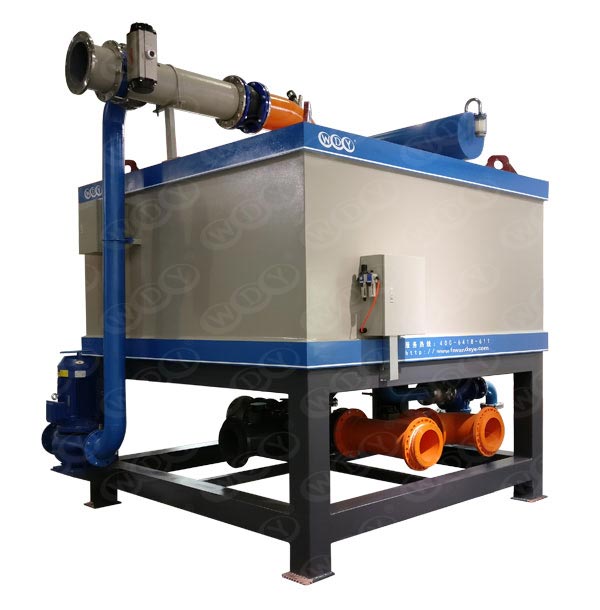
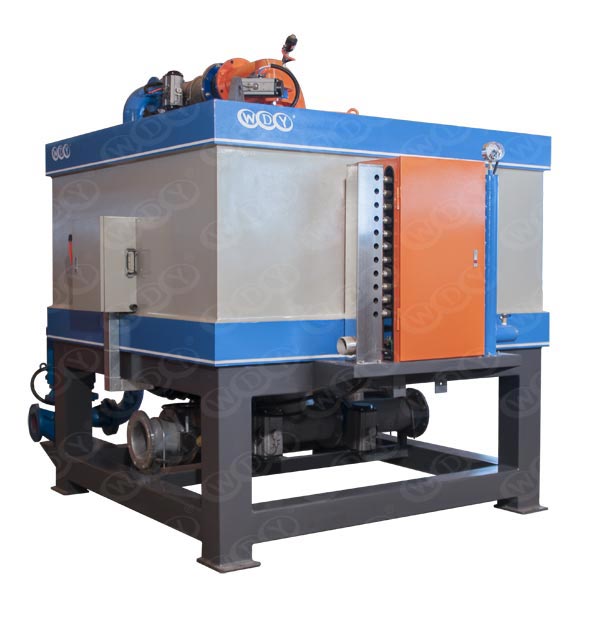
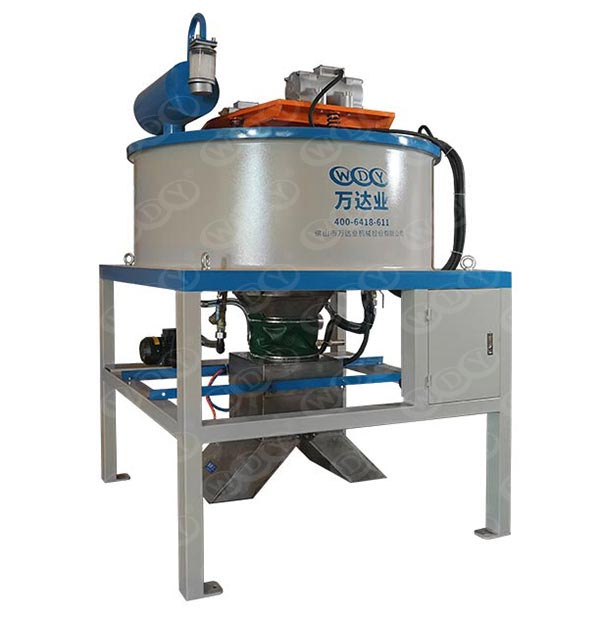
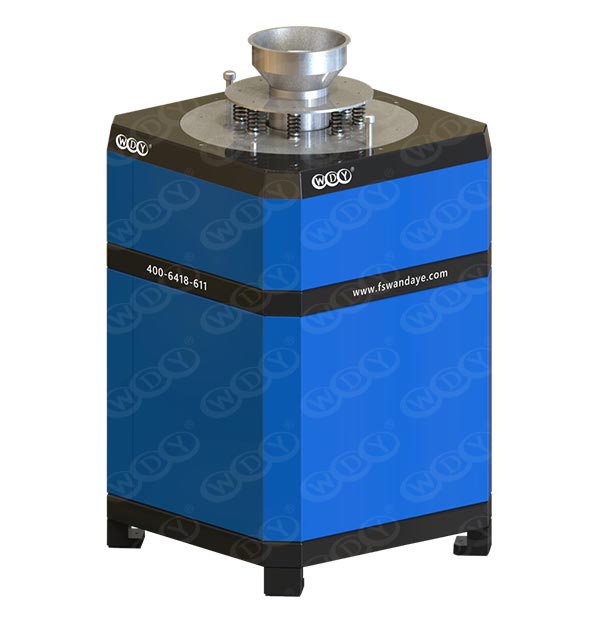
Foshan Wandaye Technology is a specialized magnetic separation equipment manufacturer integrating R&D, engineering design, production line installation, and commissioning services. With many turnkey production line projects completed, the company has deep experience in matching magnetic separators to real‑world process constraints rather than selling standalone equipment only. [fswandaye]
Wandaye focuses on permanent magnetic separators and iron removal equipment for mining, ceramics, glass, building materials, pharmaceuticals, food, and new energy materials. This cross‑industry experience is increasingly relevant for Uzbek buyers dealing with quartz, feldspar, kaolin, and battery precursor materials. [wdymagnetic]
From a procurement standpoint, Wandaye stands out as a high‑value, R&D‑oriented supplier suitable for small and medium brands or EPC contractors that need flexible OEM customization rather than rigid catalog models. The company offers responsive communication, supports trial‑based optimization using customer samples, and is accustomed to customizing structures, magnet circuits, and interfaces according to downstream equipment. [fswandaye]
– Typical focus: Permanent magnetic roller separators, slurry magnetic separators, and full‑line solutions for non‑metallic minerals and industrial processing. [wdymagnetic]
– Main markets: China domestic clusters (e.g., Foshan ceramics), Southeast Asia, the Middle East, and other export destinations. [wdymagnetic]
– OEM/ODM scope: Deep OEM support for design, labeling, and integration into broader product portfolios, especially attractive for distributors and mid‑sized brands serving Uzbekistan and neighboring markets. [fswandaye]
4. Global multi‑product magnetic separator manufacturers
Several global players, often highlighted in magnetic separator market reports, also ship roller‑type separators into Central Asia via wide distributor networks. These companies may not advertise “Uzbekistan” on every product page but are capable of supplying the region. [marketresearchfuture]
Common traits of such manufacturers include extensive certification portfolios (ISO, CE, ATEX), strong after‑sales service structures, and wide product breadth from drum and overband to roll magnetic separators. They are often selected for large‑scale mining projects where equipment standardization and multi‑year service agreements matter more than customization. [marketresearchfuture]
– Typical focus: Complete magnetic separation product lines across mining, recycling, and process industries. [marketresearchfuture]
– Main markets: North America, Europe, Asia‑Pacific, with export capability to Central Asia through established routes. [futuremarketinsights]
– OEM/ODM scope: Usually more limited than specialized OEM‑friendly manufacturers, but strong in engineering documentation and global compliance.
5. Regional and local integrators in Central Asia
In Uzbekistan, a number of local engineering companies and importers act as integrators: they source magnetic roller separators from established manufacturers and combine them into turnkey plants. While these firms may not be the actual OEMs, they play a crucial role in: [2021-2025.state]
– Handling customs, local certification, and communications with mining regulators.
– Providing installation, commissioning, operator training, and first‑line troubleshooting.
For buyers who prefer local contracts in Uzbekistan, partnering with such integrators supplemented by a technically capable OEM like Wandaye or Jaykrishna can strike a realistic balance between performance, support, and risk management. [eoitashkent.gov]
Comparative Snapshot of Key Supplier Types
The table below compares typical supplier profiles relevant to Uzbekistan projects. Values are indicative ranges based on public data and industry practice. [wiseguyreports]
| Supplier type / example | Approx. capacity (sets/month) | Typical MOQ (sets) | Common certifications | OEM/ODM flexibility level |
|---|---|---|---|---|
| Export‑oriented Indian brand (e.g., Kumar) | 20–60 for roller units kumarmagnet | 1–2 | ISO 9001, CE on request kumarmagnet | Medium |
| High‑intensity specialist (e.g., Jaykrishna) | 10–40 high‑end units jkmagnetic | 1–2 | ISO 9001, CE, industry‑specific jkmagnetic | Medium–High |
| R&D‑focused Chinese OEM (Wandaye Technology) | 30–80 mixed separators wdymagnetic | 1 | ISO 9001, CE for export lines wdymagnetic | High |
| Global multi‑product manufacturer | 50–150 across product lines futuremarketinsights | 1–5 | ISO 9001, CE, ATEX, others futuremarketinsights | Low–Medium |
Industry Pain Points and “Hidden” Red Flags in Sourcing
Common pitfalls when sourcing magnetic roller separators
– Under‑spec magnet materials
Some suppliers quietly downgrade magnet grades or use reclaimed magnets to cut cost, resulting in lower magnetic field strength than promised and faster demagnetization. [wiseguyreports]
– Overstated Gauss values
Gauss values reported at the magnet surface in laboratory conditions may not reflect effective field intensity at working distances with actual product layer thickness. [futuremarketinsights]
– Weak mechanical design
Inconsistent roller balancing, sub‑standard bearings, and poor sealing cause vibration, dust ingress, and premature failure, especially in harsh mine environments.
– Incomplete documentation
Missing explosion‑proof ratings, unclear enclosure IP ratings, or vague manuals create problems during plant safety audits and regulatory inspections. [eoitashkent.gov]
Internal “avoid‑the‑trap” guideline rarely discussed online
One internal rule that experienced project teams use—but is seldom written publicly—is to request and compare de‑magnetization curves for the magnet material used in the roller, not just the nominal grade.
Serious OEMs can provide de‑magnetization curves or at least reference data from their magnet suppliers; this shows how the magnetic field changes over time and temperature. If a supplier cannot provide any curve or data and only repeats “high‑grade NdFeB,” it is a strong red flag. This practice originates from the fact that in long‑running plants (5–10 years), gradual magnet decay can reduce separation efficiency enough to affect product quality and recovery rates, yet it is often misdiagnosed as a process or feed problem rather than a magnet issue.
Buyer’s Guide: How to Verify Suppliers and Projects in Uzbekistan
1. Verifying factory identity and certifications
– Cross‑check ISO 9001 and other certificates directly on the issuing registrar’s website, using the certificate number and company name.
– Ask for CE Declaration of Conformity and test reports for representative models; confirm that the notified body is legitimate and accredited. [futuremarketinsights]
– For plants in Uzbekistan’s mining sector, align with local safety and environmental requirements derived from the Law on Subsoil and environmental impact assessment rules, ensuring that equipment specifications support the licensing process. [eoitashkent.gov]
2. Sample testing and performance validation
– Send representative material samples (with PSD data and contamination levels) to shortlisted suppliers for lab or pilot tests and request a concise test report including feed, product, and tails analysis.
– Compare the test conditions (feed rate, gap, splitter position, number of passes) with your actual plant design to avoid over‑optimistic performance assumptions. [futuremarketinsights]
– For high‑value lines (ceramics, lithium battery materials, high‑purity quartz), demand video documentation of the test and raw data.
3. Contracting and logistics into Uzbekistan
– Clarify Incoterms (FOB, CIF, or DAP to Uzbek site) and ensure that responsibilities for customs clearance, duties, and inland transport are clearly allocated.
– Leverage suppliers or logistics partners experienced with Central Asia routes, including China–Kyrgyzstan–Uzbekistan or via Kazakhstan, to reduce risk of delays and unexpected fees. [eoitashkent.gov]
4. On‑site inspection checklist
When you or your third‑party inspector visit the factory:
– Check whether magnet block batch records and incoming inspection logs exist and match the stated grades.
– Inspect weld quality, roller run‑out checks, and balancing procedures; ask to see QC records and calibration certificates for measuring equipment.
– Confirm the presence of nameplates with serial numbers, rated field intensity data, and wiring diagrams on or inside control cabinets.
Conclusion and Call to Action
For procurement managers sourcing magnetic roller separators for projects in Uzbekistan, the most effective strategy is to shortlist a mix of specialized OEMs (such as Jaykrishna and Wandaye Technology), export‑oriented brands with direct Uzbekistan experience (such as Kumar), and, where necessary, global multi‑product manufacturers backed by local integrators. By applying transparent evaluation criteria—covering certification, R&D, QC, capacity, OEM/ODM scope, and Central Asia logistics experience—you can significantly reduce technical and commercial risk across the life cycle of your project. [marketresearchfuture]
If you are in the process of shortlisting suppliers for a specific Uzbek project, the next step is to define your target capacity, material type, and purity requirements in a structured RFQ, then share it with 2–3 shortlisted OEMs (including at least one flexible, R&D‑oriented partner like Wandaye Technology) for comparative proposals and sample‑based testing. [wdymagnetic]
FAQ: Advanced Questions from Real Procurement Scenarios
Q1: How can I verify whether a manufacturer’s ISO certification is current and not expired?
Use the certificate number and company name to search the issuing registrar’s online database or email the registrar for confirmation; avoid relying solely on PDF copies or images. Many recognized bodies provide public verification tools where you can see the certificate’s status and expiration date.
Q2: What Gauss level should I ask for in a magnetic roller separator for ultra‑fine iron removal in non‑metallic minerals?
Requirements vary by application, but high‑intensity rare‑earth rollers often operate in the range of several thousand Gauss at the surface; the key is that the supplier provides calibrated test data under conditions comparable to your process rather than only headline numbers. [wiseguyreports]
Q3: How do I assess whether a separator design can cope with Uzbekistan’s dusty and sometimes high‑temperature mining environments?
Look for evidence of operation in similar climates (case studies or references), plus enclosure IP ratings, bearing protection details, and maximum operating temperature limits for magnets and bearings. Ask specifically about derating at elevated temperatures. [eoitashkent.gov]
Q4: Is it risky to source from smaller, highly flexible OEMs compared to global brands?
Smaller OEMs like Wandaye can be advantageous for tailored designs and cost efficiency, provided they demonstrate robust QC, clear documentation, and a history of completed turnkey projects. Mitigate risk by structuring contracts around milestones, factory acceptance tests (FAT), and performance guarantees. [fswandaye]
Q5: What is the recommended way to structure performance guarantees for magnetic roller separators?
Tie guarantees to measurable parameters such as minimum product purity, maximum residual iron content, and throughput under specified feed conditions, supported by joint commissioning tests and agreed testing methods. Include provisions for corrective actions, spare parts, or unit replacement if performance is not achieved within a defined timeframe.
References
1. – Future Market Insights – “Magnetic Separator Market | Global Industry Analysis Report” (2026–2036 outlook). [futuremarketinsights]
2. – Market Research Future – “Magnetic Separator Market Size, Share & Industry Report” (2024–2035 forecast). [marketresearchfuture]
3. – Research and Markets – “Magnetic Separator Market Report 2026.” [researchandmarkets]
4. – Magnetic Roller Separator market outlook – “Magnetic Roller Separator Market Value & Growth Outlook 2026–2035.” [wiseguyreports]
5. – Azizov & Partners – “Mining Industry in Uzbekistan” (legal and regulatory overview). [eoitashkent.gov]
6. – Kumar Magnet Industries – “Magnetic Roller Separator In Uzbekistan.” [kumarmagnet]
7. – Jaykrishna Magnetics – “High Intensity Roller Type Magnetic Separator.” [jkmagnetic]
8. – Foshan Wandaye Technology / Wandaye Magnetics – Company and product information. [fswandaye]
9. – Additional context: U.S. and regional trade promotion and mining equipment materials related to Central Asia. [2021-2025.state]
Hot Tags: Magnetic Roller Separator, Manufacturers, Customized, Custom, Suppliers, Buy, Cheap, Quality, Advanced, Durable, in Stock, Made in China, Price, Quotation