Content Menu
● What Is a Magnetic Separator?
● How Does a Magnetic Separator Work?
● Main Types of Magnetic Separator
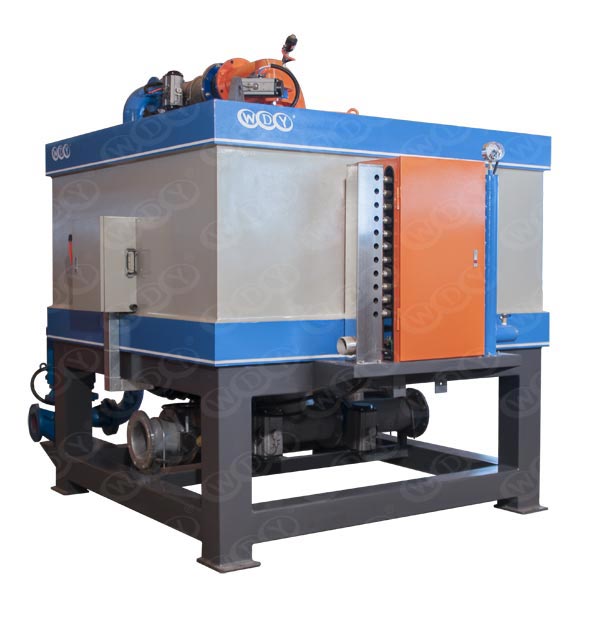
>> High-Gradient Magnetic Separator (HGMS)
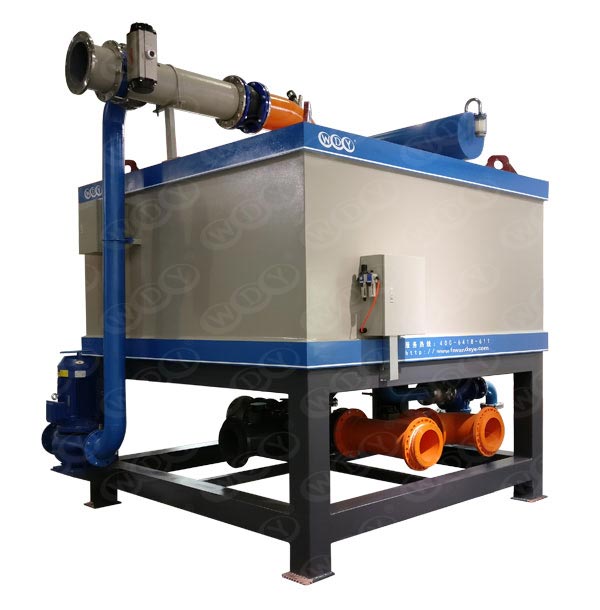
>> Electromagnetic Slurry Magnetic Separator
>> Electromagnetic Powder Magnetic Separator
>> Permanent Magnetic Separator and Conveyor-Type Separator
>> Vertical Ring High-Gradient Magnetic Separator
● Key Components and Design Features
● Applications of Magnetic Separator in Key Industries
>> Mining and Mineral Processing
>> Pharmaceuticals and Food-Related Processes
>> Plastics, Chemicals, Recycling, and Environmental Protection
● Advantages of Using Magnetic Separator
● Why Choose Foshan Wandaye Technology Co., Ltd. for Magnetic Separator Solutions
● How to Select the Right Magnetic Separator
● Summary
● FAQ About Magnetic Separator
>> (1) What is a magnetic separator used for?
>> (2) How do I choose the right type of magnetic separator?
>> (3) What is the difference between permanent and electromagnetic magnetic separator?
>> (4) Why is magnetic separator important in the ceramic industry?
>> (5) What solutions does Foshan Wandaye Technology Co., Ltd. provide?
Foshan Wandaye Technology Co., Ltd. is a specialized manufacturer focused on the R&D, design, and production of magnetic separator and iron removal equipment for multiple industries, including mining, ceramics, and pharmaceuticals. The company provides integrated solutions from mineral testing and process design to equipment installation and commissioning, helping customers build efficient and stable magnetic separation production lines.
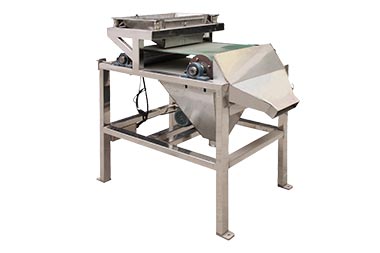
What Is a Magnetic Separator?
A magnetic separator is an industrial device that uses a magnetic field to separate magnetic or ferromagnetic particles from non-magnetic materials in bulk solids or slurries. In practical use, a magnetic separator captures iron or other magnetic metals to improve product purity, protect downstream equipment, and increase process efficiency in various production lines.
A modern magnetic separator can treat powders, granules, flakes, or liquid slurry and can be integrated into conveyors, pipelines, chutes, and process tanks. It is widely used not only in heavy industries such as mining and metallurgy but also in high-value sectors like ceramics, pharmaceuticals, food processing, plastics, chemicals, and recycling.
How Does a Magnetic Separator Work?
Although magnetic separators have many structures, the working principle is similar in all of them. The device generates a magnetic field (using either permanent magnets or electromagnets) and exposes the material stream to that field so that magnetic particles are attracted and retained while non-magnetic material continues to flow.
Typical working process:
– Feed: Material (ore, mineral powder, ceramic raw material, chemical powder, or slurry) enters the magnetic separator through a chute, pipeline, tank, or conveyor.
– Capture: When the material passes through the magnetic field, ferromagnetic and some paramagnetic particles are attracted to the magnetic surface or magnetic matrix.
– Transport: In drum, belt, or ring-type separators, the captured particles move with the magnetic component until they reach a designated discharge zone.
– Discharge: Outside the intense magnetic zone, the magnetic particles are released mechanically or by flushing, falling into a separate collection hopper, while non-magnetic material exits from a different outlet.
The strength and gradient of the magnetic field, the design of the magnetic circuit, and the contact area between material and magnetic field all determine the efficiency of the magnetic separator. High-gradient designs are especially important for capturing very fine or weakly magnetic particles that ordinary low-intensity separators cannot remove effectively.
Main Types of Magnetic Separator
Different applications require different types of magnetic separator, and Foshan Wandaye Technology Co., Ltd. offers a broad portfolio covering high-gradient, slurry, powder, permanent, and vertical ring equipment.
High-Gradient Magnetic Separator (HGMS)
A high-gradient magnetic separator uses a very strong magnetic field and a high field gradient to capture weakly magnetic and ultra-fine particles. The material passes through a matrix of steel wool, grooved plates, or other ferromagnetic media placed in a strong magnetic field so that local micro-regions of intense magnetic force are created.
Typical applications include:
– Beneficiation of weakly magnetic minerals such as hematite, limonite, manganese ore, and rare earth minerals.
– Ultra-fine iron removal in high-purity non-metallic minerals such as kaolin, feldspar, and quartz used in ceramics, electronics, and glass.
This type of magnetic separator is essential where extremely low iron levels are required and where conventional low-intensity separators cannot meet quality targets.
Electromagnetic Slurry Magnetic Separator
The electromagnetic slurry magnetic separator is designed specifically for processing high-water-content slurries, such as ceramic slurry, mineral pulp, or glaze. It uses a strong magnetic field in a wet environment to efficiently separate magnetic materials from fine particles suspended in liquid.
Key features:
– Suitable for slurries with fine particle size and high mud content, often with solid content from low to relatively high concentrations.
– High and evenly distributed magnetic field ensures effective iron removal in continuous wet processes.
– Automatic slag or iron discharge systems, intelligent control, and oil–water or water cooling systems can be used to support stable, long-term operation.
In ceramics and high-grade mineral processing, slurry magnetic separators are often installed before spray-drying or forming processes to ensure that iron content in the slurry remains extremely low.
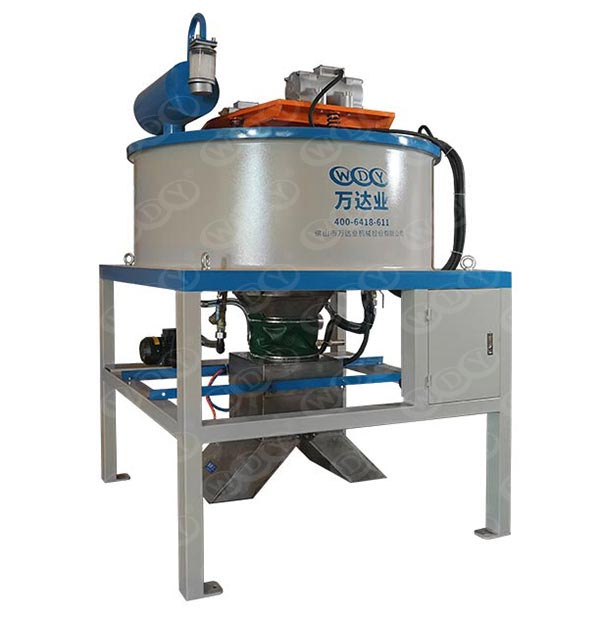
Electromagnetic Powder Magnetic Separator
Electromagnetic powder magnetic separators treat dry powders where even a small amount of iron contamination can cause serious quality issues. Foshan Wandaye Technology Co., Ltd. produces different powder magnetic separator models to match various capacities and material properties.
These separators often feature:
– Strong electromagnetic coils that generate high-intensity fields in the working gap.
– Multi-pole magnetic circuits with large wrap angles and extended separation zones to increase contact time between powder and magnetic field.
– Configurations suitable for inline installation in gravity feed, pneumatic conveying, or closed-loop powder systems.
They are widely used for quartz sand, feldspar, kaolin, graphite, and other non-metallic mineral powders, as well as pigments, plastics masterbatch, chemical powders, and electronic materials where iron spots or inclusions are unacceptable.
Permanent Magnetic Separator and Conveyor-Type Separator
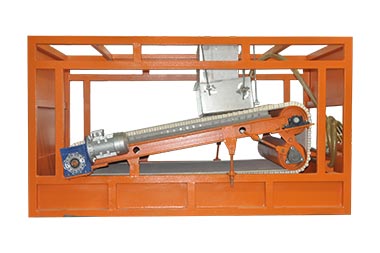
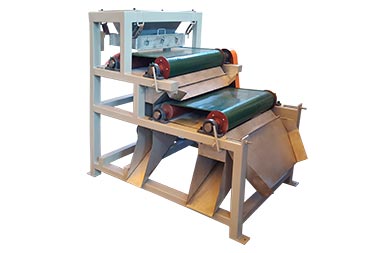
Permanent magnetic separators use permanent magnet materials to generate a stable magnetic field and do not require continuous electric power for magnetization. Overband or belt conveyor-type magnetic separators are typically installed above or at the head of a conveyor belt to automatically remove tramp iron from the conveyed material.
Advantages include:
– Low operating cost because no magnetizing power is required.
– Simple and robust structure suitable for harsh environments such as mining, cement, and aggregate plants.
– Continuous removal of large tramp iron pieces that could otherwise damage crushers, mills, or screens.
These permanent magnetic separator units are common in mining, cement, coal preparation, recycling, and bulk material handling applications.
Vertical Ring High-Gradient Magnetic Separator
A vertical ring high-gradient magnetic separator adopts a vertical ring structure combined with pulsating flushing to reduce blockage and improve continuous separation efficiency. The magnetic system and ring move relative to each other so that captured particles are periodically flushed away, allowing the device to work stably under high loads.
This design is particularly suitable for fine and weakly magnetic minerals in large-scale mineral processing plants, where continuous, automatic operation with stable performance is critical. It is often used in multi-stage flowsheets where roughing, cleaning, and scavenging steps are combined.
Key Components and Design Features
Although there are many structural variations, most magnetic separator designs share several key components that directly influence performance.
Important elements include:
– Magnetic system: Composed of permanent magnets or electromagnetic coils, this is the core that generates the magnetic field. The arrangement, pole shape, and field strength determine how effectively the separator captures magnetic particles.
– Separation medium: In high-gradient separators, steel wool, mesh, or grooved plates are used as a medium to create local high-gradient zones. These micro-gaps are essential for trapping very fine and weakly magnetic particles.
– Shell or housing: The outer shell or tank holds the material and magnetic components. It must be mechanically strong and, in many industries, made from stainless steel for corrosion resistance and cleanliness.
– Drive and moving parts: Drums, belts, and rings are driven by motors or gearboxes to transport magnetic particles to discharge points. Smooth, stable operation is critical to maintaining separation performance.
– Control system: Modern magnetic separators often include control panels for adjusting current (in electromagnetic models), monitoring temperature, and automating cleaning or iron discharge cycles.
A well-engineered combination of these components ensures that the magnetic separator is efficient, reliable, and suitable for long-term industrial use.
Applications of Magnetic Separator in Key Industries
Magnetic separator equipment plays a core role in many industrial processes. Foshan Wandaye Technology Co., Ltd. focuses especially on mining, ceramics, and pharmaceutical applications, while also serving chemicals, plastics, and other sectors.
Mining and Mineral Processing
In mining, magnetic separation aims to recover valuable magnetic minerals, remove iron-bearing impurities, and upgrade the grade of ores. Magnetic separator units can be arranged in multiple stages for roughing, cleaning, and scavenging.
Typical tasks:
– Concentration of strongly magnetic minerals such as magnetite using low-intensity drum or belt magnetic separators.
– Upgrading of weakly magnetic minerals such as hematite, manganese ore, and ilmenite using high-gradient or vertical ring magnetic separator systems.
– Removal of iron from non-metallic minerals like quartz, feldspar, and kaolin used as raw materials for ceramics and glass, improving whiteness and purity.
By using the right magnetic separator at appropriate positions in the flowsheet, mining plants can increase recovery, reduce tailings, and lower the wear rate of comminution equipment. Stable separation also allows downstream flotation, leaching, and refining steps to operate more efficiently.
Ceramics and Porcelain
In the ceramics industry, even tiny iron particles can create color spots, streaks, or defects on the surface of tiles, porcelain, and sanitary ware. To stabilize product quality, a series of magnetic separator units is often installed across the production line.
Important roles in ceramics:
– Removal of iron from kaolin, feldspar, and silica sand used in body formulations to improve whiteness and firing behavior.
– High-gradient and slurry magnetic separator stages in ceramic slurry and glaze lines to capture micron-sized iron particles before shaping, glazing, and firing.
– Multi-stage iron removal to meet strict quality standards for polished tiles and high-grade porcelain products, reducing scrap and rework.
By combining different types of magnetic separator, ceramic manufacturers can lower rejection rates, improve surface appearance, and strengthen brand reputation in demanding domestic and export markets.
Pharmaceuticals and Food-Related Processes
In pharmaceuticals and many food-related processes, any metal contamination can pose a safety risk and make it difficult to comply with regulations and customer audits. For these sectors, magnetic separators must be hygienic, easy to clean, and made from suitable stainless steels.
Typical uses:
– Inline magnetic separator units installed in powder transfer lines to capture ferrous fragments and small stainless steel particles.
– Slurry or liquid-line separators that remove metallic contamination from suspensions, syrups, and other viscous products.
– Protection of tablet presses, capsule machines, mills, and packaging equipment from damage due to stray metal pieces.
High-gradient and slurry-type magnetic separator designs, built from food-grade or pharmaceutical-grade stainless steel, can achieve efficient iron removal without introducing secondary contamination and can often be cleaned quickly to minimize downtime.
Plastics, Chemicals, Recycling, and Environmental Protection
Beyond mining, ceramics, and pharmaceuticals, magnetic separator equipment is widely used in plastics, chemicals, recycling, and environmental systems.
Examples include:
– Plastics and rubber: Grid, drawer, and pipeline magnetic separator designs protect extruders, injection molding machines, and pelletizers from metal contamination in plastic granules or regrind, improving product consistency and reducing screw damage.
– Chemical industry: Magnetic separator units treat pigments, catalysts, and functional powders where iron contamination can affect color, reactivity, or electrical properties.
– Recycling: Overband and drum magnetic separator units recover ferrous metals from municipal solid waste, shredder residue, and slag, increasing metal recovery and reducing waste volume.
– Environmental protection: High-gradient magnetic separator systems can assist in removing iron and certain metallic contaminants from wastewater or process effluents, contributing to cleaner discharge and easier sludge management.
In all these sectors, selecting the correct magnetic separator configuration improves product quality, protects equipment, and supports sustainable, environmentally responsible operation.
Advantages of Using Magnetic Separator
Using a well-chosen magnetic separator always brings a combination of quality, protection, and economic benefits to a production line.
Key advantages:
– Improved product purity: A magnetic separator removes ferrous and weakly magnetic impurities that cause defects, discoloration, or contamination, enhancing the value of finished products in ceramics, glass, chemicals, food, and pharmaceuticals.
– Equipment protection: Tramp iron captured by a magnetic separator prevents damage to crushers, mills, sieves, mixing equipment, pumps, and conveying systems, reducing downtime and maintenance costs.
– Higher process efficiency and yield: Efficient separation reduces the amount of off-spec material, increases recovery of valuable minerals, and stabilizes product quality, allowing tighter process control.
– Energy and cost savings: Permanent magnetic designs consume little or no power for magnetization, and more stable operation reduces rework, scrap rates, and unplanned stoppages.
– Flexibility and scalability: Magnetic separator systems can be configured as single units or multi-stage lines and can be upgraded or expanded as production capacity grows or quality standards become stricter.
For plants seeking to improve competitiveness, investment in a modern magnetic separator system is often one of the most cost-effective upgrades, especially when combined with process optimization and automation.
Why Choose Foshan Wandaye Technology Co., Ltd. for Magnetic Separator Solutions
Foshan Wandaye Technology Co., Ltd. is a professional enterprise dedicated to magnetic separator technology, integrating R&D, engineering design, production, installation, and commissioning services. The company’s strength lies not only in manufacturing individual machines, but also in delivering complete magnetic separation solutions tailored to specific industries and materials.
Main advantages:
– Professional R&D capability: The company has developed various series of high-gradient electromagnetic slurry machines, powder magnetic separator designs, permanent magnetic separator equipment, electromagnetic vertical ring machines, magnetic plates, iron-removal cabinets, magnetic rods, and related products.
– Whole-line engineering service: Foshan Wandaye can provide project design, mineral processing experiments, process design, equipment selection, and on-site commissioning, forming a one-stop service for magnetic separation projects.
– Rich application experience: Its magnetic separator solutions are widely applied in mining, metallurgy, ceramics, chemicals, printing ink, plastics, food, and pharmaceutical industries, meeting diverse iron removal and metal separation requirements in domestic and overseas markets.
– Intelligent and efficient equipment: Many products adopt advanced cooling systems, intelligent control, and automatic iron unloading, enhancing stability, separation efficiency, and ease of use, and helping customers reduce labor intensity.
By cooperating with Foshan Wandaye Technology Co., Ltd., customers can deploy magnetic separator systems that match their process conditions, quality standards, investment budgets, and future expansion plans.
How to Select the Right Magnetic Separator
Selecting an appropriate magnetic separator involves evaluating both process requirements and material characteristics. A systematic approach helps ensure that the final solution delivers the desired performance and reliability.
Key selection factors:
– Material form: Determine whether the material is dry powder, granules, flakes, or slurry. Dry powders may need powder magnetic separator or drum-type equipment, while slurries usually require slurry or high-gradient magnetic separators.
– Particle size and magnetic properties: Coarse, strongly magnetic particles can be handled by low-intensity drum or belt separators, whereas fine or weakly magnetic particles require high-gradient magnetic separator designs or vertical ring separators.
– Capacity and process position: Consider throughput, installation location (above conveyor belts, in pipelines, under hoppers, or in tanks), and whether continuous or batch operation is required. Conveyor-type or overband magnetic separator units are suited for high-capacity belt systems.
– Purity and regulatory requirements: Industries such as ceramics, pharmaceuticals, and food may need multi-stage, high-gradient magnetic separator configurations to achieve extremely low residual metal levels.
– Maintenance and automation: Decide if the separator should be manually cleaned, semi-automatic, or fully automatic, and whether it must integrate with plant control and monitoring systems.
Foshan Wandaye Technology Co., Ltd. can assist customers through lab tests, pilot runs, and engineering design services so that each magnetic separator is matched to the actual process conditions and quality targets, reducing trial-and-error and shortening project schedules.
Summary
A magnetic separator is an indispensable device that uses magnetic force to separate ferromagnetic and weakly magnetic particles from bulk materials or slurries, enhancing product quality and protecting equipment across many industries. With continuous technological development, modern magnetic separator designs now include high-gradient, slurry, powder, permanent, and vertical ring equipment that can be precisely tailored to different materials, capacities, and process requirements.
Foshan Wandaye Technology Co., Ltd. stands out as a dedicated magnetic separator manufacturer and solution provider, integrating R&D, engineering design, production, and commissioning to serve mining, ceramics, pharmaceuticals, chemicals, and many other sectors. By choosing suitable magnetic separator systems and working with professional partners, enterprises can significantly improve purity, efficiency, and reliability in their production lines while controlling costs and supporting sustainable development.
Contact us to get more information!
FAQ About Magnetic Separator
(1) What is a magnetic separator used for?
A magnetic separator is used to remove ferrous and weakly magnetic particles from raw materials, intermediate products, and process streams to improve product purity and protect equipment. It is widely applied in mining, mineral processing, ceramics, glass, chemicals, pharmaceuticals, food processing, plastics, recycling, and environmental systems where metal contamination must be controlled.
(2) How do I choose the right type of magnetic separator?
To choose the right magnetic separator, you should evaluate the material form (powder, granules, slurry), particle size, magnetic properties, capacity, installation location, and required purity level. Coarse, strongly magnetic materials may use low-intensity drum or belt separators, while fine or weakly magnetic particles normally need high-gradient or vertical ring magnetic separators; slurry processes often require specialized slurry magnetic separator designs. Consultation with an experienced supplier can help optimize the final selection.
(3) What is the difference between permanent and electromagnetic magnetic separator?
A permanent magnetic separator generates a magnetic field using permanent magnet materials and requires no electrical power for magnetization, which results in low running costs and a simple, robust structure suitable for many continuous applications. An electromagnetic magnetic separator uses energized coils to create the magnetic field, allowing field strength to be adjusted or switched off, but requiring power, cooling, and a more complex control system; it is usually selected where high intensity or adjustable magnetic fields are needed.
(4) Why is magnetic separator important in the ceramic industry?
In the ceramic industry, even tiny iron or steel particles can cause spots, pinholes, streaks, and color defects on tiles, porcelain, and sanitary ware, increasing rejection rates and lowering product grade. High-gradient and slurry magnetic separator units remove iron from kaolin, feldspar, silica sand, slips, and glazes, helping manufacturers improve whiteness, color consistency, and firing performance while reducing quality problems and improving line efficiency.
(5) What solutions does Foshan Wandaye Technology Co., Ltd. provide?
Foshan Wandaye Technology Co., Ltd. provides a full range of magnetic separator equipment, including high-gradient electromagnetic slurry machines, powder magnetic separator equipment, permanent magnetic separator units, electromagnetic vertical ring machines, magnetic plates, iron-removal cabinets, and magnetic rods. The company also offers project design, mineral processing tests, equipment selection, whole production-line design, installation, commissioning, and after-sales services, forming a comprehensive one-stop solution for magnetic separation and iron removal across different industries.
Citations:
1. http://en.fswandaye.com
2. http://en.fswandaye.com/About-Us/
3. https://www.youtube.com/watch?v=7FvTOgjiRI8
4. https://magnetii.goldsupplier.com/product.html
5. https://magnetii.goldsupplier.com/1338392-Magnetic-Separator-Machine/
6. https://www.directindustry.com/prod/foshan-wandaye-machinery-equipment-co-ltd/product-235280-2367707.html
7. https://www.linkedin.com/company/wandaye-magnetic-separator-china-
8. https://www.guangdar.com/guide-to-magnetic-separator-definition-and-working-principle
9. https://www.jxscmineral.com/equipment/slurry-magnetic-separator/
10. https://africanmagnets.com/magnetic-separators-and-their-applications/
11. https://gtekmagnet.com/high-gradient-magnetic-separator-how-it-work/
12. https://www.greatmagtech.com/info/what-is-the-magnetic-separator-working-princip-102792520.html
13. https://www.sciencedirect.com/topics/engineering/gradient-magnetic-separator
Hot tags: Magnetic Separator Definition, What Is A Magnetic Separator, Magnetic Separator Types, Industrial Magnetic Separator Uses, Magnetic Separation Equipment, Mineral Processing Magnetic Separator, Magnetic Separator Applications, Magnetic Separator Machine, Magnetic Separator In Mining, Magnetic Separation Basics