Content Menu
● Foshan Wandaye Technology Co., Ltd. – Carrying the Legacy Forward
● When Was the Magnetic Iron Ore Separator Invented?
● Earlier Roots of Magnetic Separation
● How Edison’s Magnetic Iron Ore Separator Worked
● Why Edison’s Magnetic Separator Project Failed Commercially
● From Early Ore Separators to Modern Magnetic Separator Systems
● Applications of Magnetic Separator Technology Today
● How Foshan Wandaye Innovates in Magnetic Separator Design
● Timeline: Key Milestones in Magnetic Separator History
● Why the 1880 Invention Still Matters
● The Future of Magnetic Separator Technology
● FAQs About the Magnetic Iron Ore Separator
>> 1. When exactly was the magnetic iron ore separator invented?
>> 2. Who invented the first practical magnetic iron ore separator?
>> 3. How did Edison’s magnetic separator influence modern magnetic separator equipment?
>> 4. In which industries is the magnetic separator most important today?
>> 5. What role does Foshan Wandaye Technology Co., Ltd. play in modern magnetic separator development?
Foshan Wandaye Technology Co., Ltd. stands today as a specialized high‑tech manufacturer of magnetic separator and iron removal equipment, but the story of the magnetic iron ore separator itself began more than a century ago in the age of Thomas Edison and early industrial electromagnets. Understanding when and how the magnetic iron ore separator was invented helps explain why modern magnetic separator technology is so vital for mining, ceramics, pharmaceuticals, and many other industries.
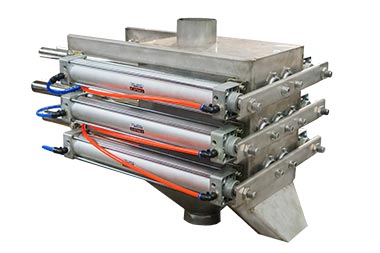
Foshan Wandaye Technology Co., Ltd. – Carrying the Legacy Forward
Foshan Wandaye Technology Co., Ltd. focuses on R&D, engineering design, production, production‑line installation, and commissioning services for many types of magnetic separator equipment. The company serves mining, ceramics, pharmaceuticals, food, plastics, and other sectors with magnetic separation and iron removal solutions tailored to demanding applications.
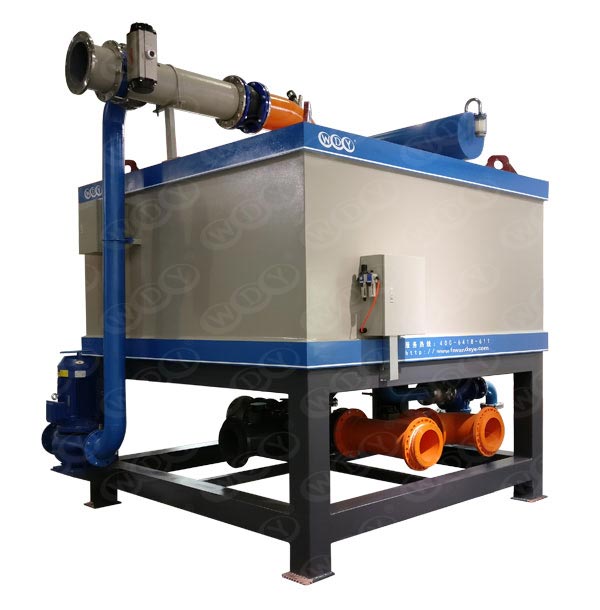
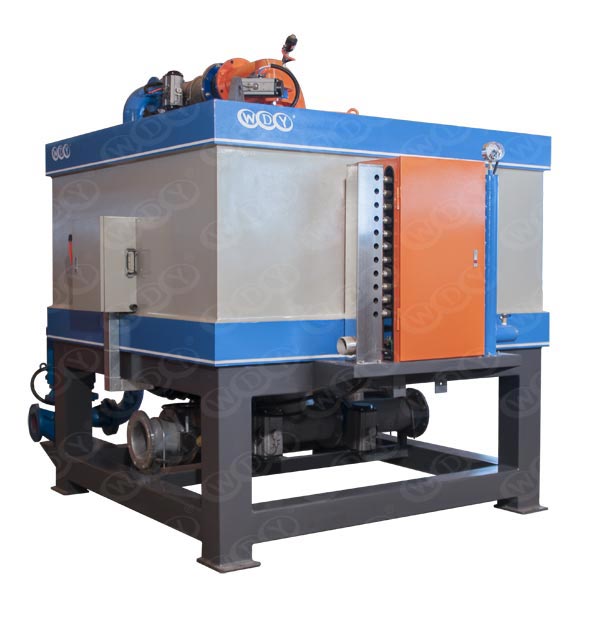
Its portfolio includes high‑gradient electromagnetic slurry machines, powder magnetic separator systems, permanent magnetic separator units, electromagnetic vertical ring machines, magnetic plates, iron‑removal cabinets, and magnetic rods. By integrating efficiency, energy saving, environmental protection, and intelligent control, Foshan Wandaye pushes magnetic separator technology far beyond the early iron ore separator designs of the 19th century.
The company also provides customized magnetic separator solutions based on material characteristics, capacity requirements, and process layout. From laboratory testing of non‑metallic mineral raw materials to complete magnetic separator lines for kaolin, quartz, feldspar, and ceramic glaze, Foshan Wandaye offers one‑stop service. Its engineering teams design complete process flows, supervise installation, and optimize magnetic separator performance to help customers achieve high purity, high whiteness, and stable operation.
When Was the Magnetic Iron Ore Separator Invented?
Historians generally agree that Thomas Edison invented a practical electromagnetic iron ore separator around 1880, as part of his broader work on electric light and power. In that year he received patents for a device that used a powerful electromagnet to pull magnetic particles, such as iron, out of a stream of sand or crushed rock.
In this electromagnetic iron ore separator, sand from tailings or crushed rock was poured through a hopper so that it fell in a thin, broad stream in front of an electromagnet. The magnet attracted magnetic iron particles into one receptacle, while non‑magnetic waste dropped into another bin. This design created a continuous process and showed that even low‑grade ores could be upgraded using a magnetic separator.
By the early 1880s, Edison demonstrated a unipolar electromagnetic separator processing black sand on beaches in the northeastern United States and even showcased the concept at international exhibitions. The performance attracted orders from iron and steel refineries, confirming that the electromagnetic magnetic separator could operate on an industrial scale. That 1880 period is therefore widely regarded as the birth of the practical magnetic iron ore separator.
Earlier Roots of Magnetic Separation
The 1880 invention did not appear in a vacuum. Magnetic separation as a principle predates Edison’s work and began to be commercialized in the 1860s. At that time, engineers used relatively simple magnetic devices to separate iron from brass and other mixtures in industrial settings. These early systems were limited in field strength and capacity, but they established the idea that different materials could be separated by their magnetic properties.
The scientific groundwork had been laid earlier by researchers such as Michael Faraday, who showed that placing a substance in a magnetic environment modifies the intensity of that environment. This insight revealed that different materials interact differently with magnetic fields, enabling separation using a magnetic separator. By the late 19th century, engineers extended this knowledge into high‑intensity magnetic separation, which allowed more challenging ferromagnetic and paramagnetic minerals to be processed.
In several mining districts, devices such as Wetherill’s magnetic separator, invented by John Price Wetherill, were used to separate ores like wolframite from cassiterite. These machines fed calcined ore onto a conveyor belt passing under pairs of electromagnets, with additional belts at right angles to collect the separated fractions. One magnet pair removed strongly magnetic iron ore, while another captured weakly magnetic wolframite. This multi‑stage magnetic separator concept foreshadowed the more sophisticated systems used by modern equipment manufacturers.
How Edison’s Magnetic Iron Ore Separator Worked
Edison’s electromagnetic iron ore separator was built around a strong electromagnet arranged near a controlled stream of crushed ore. Ore was first broken down by steam‑driven crushers and grinders, then dried and fed from hoppers so that it fell in a thin curtain past the electromagnets. As the material passed through the field, magnetic iron particles were deflected toward collection chutes, while non‑magnetic gangue continued on its original trajectory into separate bins.
To make this process economical, Edison constructed complete ore‑milling plants. Large boulders were blasted with dynamite and moved by narrow‑gauge rail to the mill, where rubber‑belt conveyors carried them through successive sets of iron rollers. These rollers reduced the material to smaller fragments and finally to powder suitable for treatment by the magnetic separator. An endless chain of buckets delivered the powdered ore to a drying mill and then to a seven‑story structure housing hundreds of magnets arranged in banks.
In this installation, multiple magnetic separator stages processed the ore to recover as much iron as possible. The refined product could be compressed into briquettes designed for use in eastern steel mills. Edison planned to process hundreds of tons of ore per day, demonstrating his belief that the magnetic separator could transform low‑grade deposits into valuable resources.
Why Edison’s Magnetic Separator Project Failed Commercially
Despite the technical ingenuity of his magnetic separator, Edison’s ore‑milling venture faced serious commercial obstacles. During the 1880s, iron ore prices rose, making low‑grade deposits attractive, but new high‑yield ore bodies were soon discovered in regions with better transportation infrastructure. As rail networks expanded, cheaper high‑grade ore from these areas flooded the market, undercutting the economics of Edison’s concentrated ore.
Another challenge was that many blast furnaces of the time were not designed to handle the fine iron powder or briquettes produced by his magnetic separator process. Furnace operators often preferred lump ore that behaved predictably in their existing systems. Technical issues, maintenance costs, and the remote locations of some ore‑milling plants further weakened the business case.
Eventually, the combination of lower ore prices and operational difficulties led Edison to close his ore‑concentration operations. However, the experience was not wasted. His work provided valuable lessons about large‑scale conveying, crushing, drying, and staged magnetic separator design, influencing later generations of engineers.
From Early Ore Separators to Modern Magnetic Separator Systems
In the early 20th century, the focus shifted from experimental installations to more standardized magnetic separator equipment. High‑intensity magnetic separation became established, enabling the processing of ores and industrial materials that earlier devices could not handle economically. Magnetic separator technology migrated from iron ore mines into scrap yards and recycling facilities, where magnets were used to pull ferrous metals from mixed waste streams.
After the Second World War, electromagnet‑based magnetic separator systems became common in bulk material handling and recycling. Later, advances in materials science introduced powerful permanent magnets and rare‑earth magnet systems that dramatically increased magnetic field strength without continuous electrical input. This allowed the development of compact, energy‑efficient magnetic separator designs such as magnetic pulleys, overhead magnets, and magnetic drums.
By the late 20th and early 21st centuries, high‑gradient and vertical ring magnetic separator equipment had become central to processing fine, weakly magnetic particles in slurries and powders. Automated controls, sensor feedback, and programmable logic controllers gave operators precise control over feed rates, field intensities, and cleaning cycles. These innovations form the technological background against which companies like Foshan Wandaye have developed today’s advanced magnetic separator systems.
Applications of Magnetic Separator Technology Today
Modern industries rely on the magnetic separator in many critical roles. In mining, magnetic separator units upgrade iron ore by removing gangue, recover magnetic minerals from complex ores, and remove tramp iron that could damage crushers and mills. High‑gradient magnetic separator systems are especially effective for processing finely ground ores and low‑grade deposits that were once considered waste.
In the ceramics industry, magnetic separator equipment removes fine iron contaminants from raw materials, slips, and glazes. Even tiny iron particles can cause black spots, firing defects, or damage to kilns. By installing slurry‑type or powder‑type magnetic separator units at key points in the production line, manufacturers improve product quality and reduce rejects.
Food and pharmaceutical producers also depend on the magnetic separator to protect consumers and machinery. Hygienic magnetic separator configurations capture ferrous metal fragments that might originate from processing equipment wear or raw material contamination. In plastics, chemicals, pigments, and glass, a magnetic separator removes iron impurities that would otherwise affect color, clarity, or performance. The same basic principle that powered Edison’s iron ore separator now underpins safety, quality, and efficiency across many sectors.
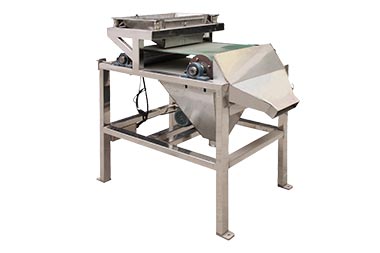
How Foshan Wandaye Innovates in Magnetic Separator Design
Foshan Wandaye Technology Co., Ltd. builds on this long history by combining advanced engineering with deep application experience. Its electromagnetic slurry magnetic separator series are designed for non‑metallic mineral slurries, ceramic glaze, and similar materials that require high‑intensity fields and stable, continuous operation. Oil‑cooling and water‑cooling structures help the magnetic separator maintain field strength while controlling temperature and energy consumption.
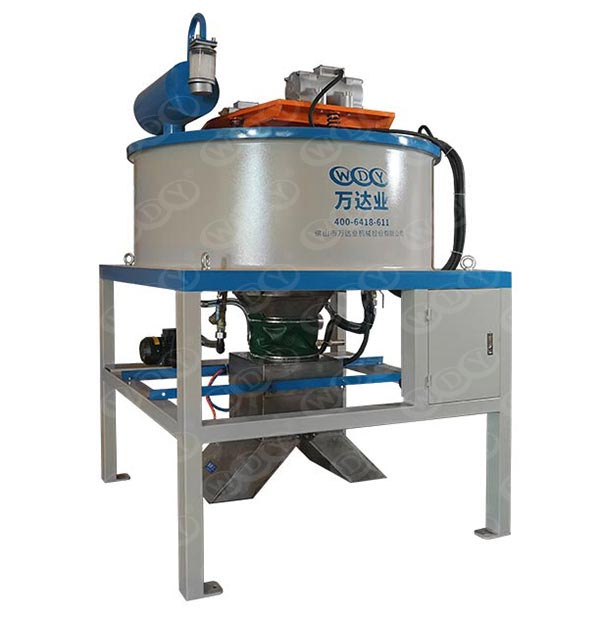
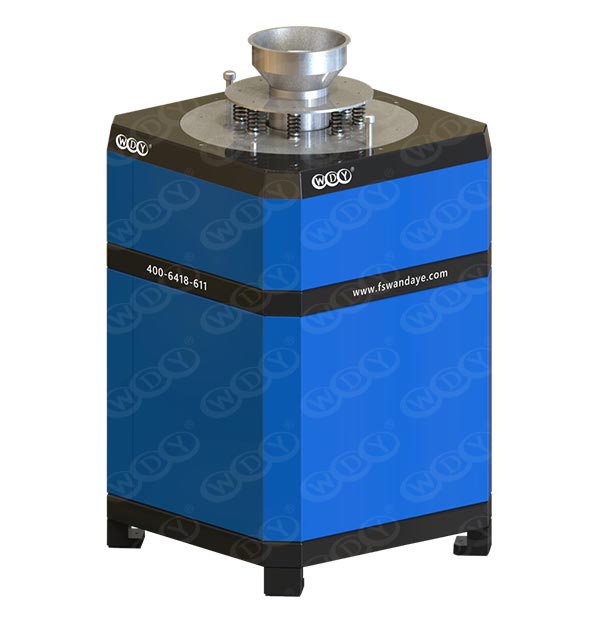
The company’s electromagnetic dried‑powder magnetic separator products target fine powders such as quartz sand, feldspar powder, and other functional fillers that must meet strict iron content limits. Multi‑pole magnetic circuits, optimized magnetic field gradients, and carefully designed flow channels ensure that the magnetic separator captures even weakly magnetic contaminants. Permanent magnetic separator devices, including magnetic plates and magnetic rods, provide reliable, maintenance‑friendly options for many process lines.
For complex projects, Foshan Wandaye offers vertical ring high‑gradient magnetic separator equipment and integrated process solutions. Engineers begin with sample testing in professional laboratories to determine the best magnetic separator configuration. They then design the entire process, supply key equipment, and provide commissioning and training. This full‑line approach ensures that the magnetic separator is not just a standalone machine but a core part of a stable, efficient production system.
Timeline: Key Milestones in Magnetic Separator History
From the first commercial uses of magnets in metal separation to today’s intelligent systems, the magnetic separator has undergone continuous evolution.
– 1860s: Magnetic separation begins to be commercialized and is used to separate iron from brass and other mixed materials.
– 1880: Thomas Edison develops an electromagnetic iron ore separator and receives patents for devices using strong electromagnets to pull iron from crushed rock or sand.
– Early 1880s: Edison demonstrates a unipolar electromagnetic separator on beaches with black sand and exhibits the concept internationally, attracting early customers.
– Late 1880s–1890s: Edison constructs large ore‑milling plants with steam‑driven crushers, drying mills, conveyors, and multi‑stage magnetic separator systems designed to process hundreds of tons per day.
– Late 19th century: Wetherill’s magnetic separator is introduced for separating weakly magnetic minerals like wolframite from cassiterite, using multiple electromagnets and belts.
– Early 1900s: High‑intensity magnetic separation becomes established, extending the range of materials that can be treated with a magnetic separator.
– Post‑World War II: Electromagnet‑based magnetic separator systems are widely applied in scrap yards and recycling operations.
– Late 20th century: New technologies including magnetic pulleys, overhead magnets, and drum‑type magnetic separator units are adopted in bulk handling and processing plants.
– 21st century: High‑gradient, vertical ring, and intelligent magnetic separator designs appear in many industries, with companies like Foshan Wandaye delivering customized, energy‑efficient solutions.
Why the 1880 Invention Still Matters
The 1880 invention of the electromagnetic iron ore separator remains important because it changed how engineers and entrepreneurs thought about low‑grade resources. Before the widespread adoption of magnetic separator technology, many deposits with modest iron content were considered uneconomic. Edison’s work showed that careful crushing, drying, and magnetic separation could turn such material into useful feedstock for steelmaking.
The invention also accelerated development in related fields, including industrial electromagnet design, conveyor systems, and large‑scale mechanical crushing equipment. Concepts such as controlled feed, staged separation, and continuous material flow became standard in later process engineering. Although Edison’s specific business venture did not survive, the underlying idea of using a magnetic separator to upgrade ores proved durable.
Modern magnetic separator designs—whether high‑gradient slurry machines, permanent magnet drums, or vertical ring units—still rely on the same physical principles demonstrated in Edison’s early experiments. What has changed is the level of sophistication in magnet materials, cooling methods, control systems, and mechanical reliability. By understanding where the magnetic iron ore separator came from, companies like Foshan Wandaye can better anticipate where magnetic separator technology needs to go next.
The Future of Magnetic Separator Technology
Looking ahead, the magnetic separator will continue to play a central role in sustainable resource use and circular economy strategies. As high‑grade ore deposits become scarcer and environmental regulations tighten, mining companies must extract more value from lower‑grade and complex ores. High‑gradient magnetic separator systems, combined with flotation, gravity separation, and sensor‑based sorting, will help meet that challenge.
In recycling, magnetic separator equipment will contribute to higher recovery rates for ferrous metals and to cleaner secondary raw materials. Intelligent control, remote monitoring, and data‑driven optimization will make each magnetic separator line more adaptive and efficient. At the same time, industries such as electronics, batteries, and advanced ceramics will require ever‑stricter control of trace metallic impurities, creating new opportunities for specialized magnetic separator solutions.
Foshan Wandaye Technology Co., Ltd. is well positioned in this landscape. With its focus on high‑gradient electromagnetic systems, customizable permanent magnetic separator modules, and full‑line engineering services, the company can respond quickly to changing material requirements and regulatory standards. In this way, Foshan Wandaye not only inherits the legacy of Edison’s first iron ore separator but also helps define the next generation of magnetic separator technology.
Conclusion
The magnetic iron ore separator was invented around 1880 by Thomas Edison, who developed an electromagnetic device to recover iron from low‑grade ores and tailings. Although his original ore‑milling business ultimately failed for economic and technical reasons, the concept of using a magnetic separator to upgrade ores survived and spread. Over time, it evolved into a wide range of magnetic separator technologies used in mining, recycling, ceramics, food, pharmaceuticals, and many other fields.
From the early commercialization of magnetic separation in the 1860s, through Edison’s ambitious ore‑milling plants, to high‑intensity and high‑gradient systems in the 20th and 21st centuries, the magnetic separator has become a vital tool in modern industry. Today, Foshan Wandaye Technology Co., Ltd. advances this legacy with specialized magnetic separator equipment and complete engineering solutions. By focusing on efficiency, energy saving, environmental protection, and intelligent control, Foshan Wandaye helps customers achieve reliable magnetic separation and iron removal across a broad range of demanding applications.
Contact us to get more information!
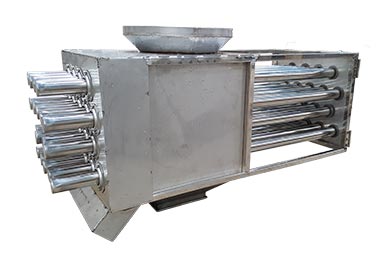
FAQs About the Magnetic Iron Ore Separator
1. When exactly was the magnetic iron ore separator invented?
The magnetic iron ore separator is generally dated to around 1880, when Thomas Edison developed and patented an electromagnetic device for separating iron from crushed rock and sand. He continued refining this magnetic separator through the 1880s and 1890s, integrating it into large ore‑milling plants that demonstrated the feasibility of processing low‑grade ores on an industrial scale.
2. Who invented the first practical magnetic iron ore separator?
The first widely recognized practical electromagnetic iron ore separator was invented by Thomas Edison. His device used a powerful electromagnet positioned near a stream of falling ore to deflect magnetic iron particles into a separate collection bin. While other inventors, such as John Price Wetherill, contributed important magnetic separator designs for specific minerals, Edison’s work is often cited as the breakthrough in large‑scale iron ore separation.
3. How did Edison’s magnetic separator influence modern magnetic separator equipment?
Edison’s iron ore separator introduced several principles that remain central to modern magnetic separator engineering. These include controlled feed of finely crushed material, strong localized magnetic fields, staged separation to improve recovery, and integration with conveyors, crushers, and dryers in a continuous process. Many of today’s high‑gradient, vertical ring, and drum‑type magnetic separator systems build on these same ideas, even though they use more advanced magnets, materials, and control systems.
4. In which industries is the magnetic separator most important today?
Magnetic separator equipment is especially important in mining, where it upgrades iron ore and recovers valuable magnetic minerals while removing tramp iron from process streams. It is also crucial in the ceramics industry for removing iron impurities from raw materials, in scrap and recycling facilities for separating ferrous metals from mixed waste, and in the food and pharmaceutical industries for protecting product purity. Plastics, glass, chemicals, and many other sectors depend on a magnetic separator to meet quality and safety requirements.
5. What role does Foshan Wandaye Technology Co., Ltd. play in modern magnetic separator development?
Foshan Wandaye Technology Co., Ltd. specializes in the research, development, and production of advanced magnetic separator and iron removal equipment. Its product range includes high‑gradient electromagnetic slurry and powder magnetic separator systems, permanent magnetic separator devices, vertical ring machines, and customized magnetic plates and rods. By providing full‑line engineering services from laboratory testing to installation and commissioning, Foshan Wandaye helps customers in mining, ceramics, pharmaceuticals, and other industries apply magnetic separator technology efficiently, reliably, and in line with modern environmental and quality standards.
Citations:
1. https://edison.rutgers.edu/life-of-edison/inventions?catid=91&id=537%3Aore-milling&view=article
2. https://ethw.org/Thomas_Edison’s_Gamble_with_Resource_Extraction
3. https://www.longimagnetics.com/news/magnetic-separation-history
4. https://en.wikipedia.org/wiki/Magnetic_separation
5. https://www.miningjournal.net/news/2024/06/historically-speaking-169/
6. http://en.fswandaye.com
7. https://magneticseparatormachine.sell.everychina.com
8. https://ethw.org/Edison_and_Ore_Refining
9. https://www.thomasedison.org/inventions
10. https://www.youtube.com/watch?v=7FvTOgjiRI8
11. https://berkshistory.org/article/titan-in-berks-edisons-experiments-in-iron-concentration/
12. https://www.directindustry.com/prod/foshan-wandaye-machinery-equipment-co-ltd/product-235280-2367707.html
Hot tags: Magnetic Iron Ore Separator History, Magnetic Separator Invention, History Of Magnetic Separation, Iron Ore Beneficiation History, Early Magnetic Separator Technology, Magnetic Mining Equipment Development, Evolution Of Magnetic Separators, Iron Ore Processing History, Mining Technology History, Magnetic Separation Timeline