Content Menu
● How Professional Buyers Should Evaluate Iron Separator Suppliers
● Cambodia’s Position in the Iron Separator Value Chain
● How We Selected the Top Suppliers
● Top Iron Separator Manufacturers and Suppliers Serving Cambodia
>> 1. Kumar Magnet Industries (India → Cambodia)
>> 2. Hunan Zhongke Electric Co., Ltd. (China)
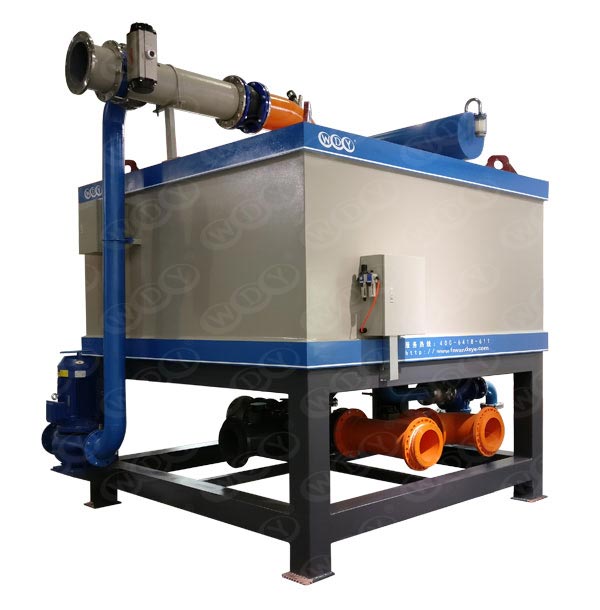
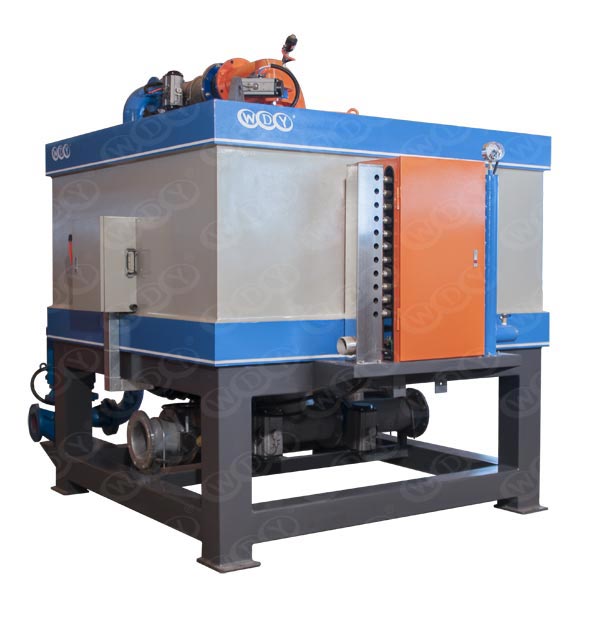
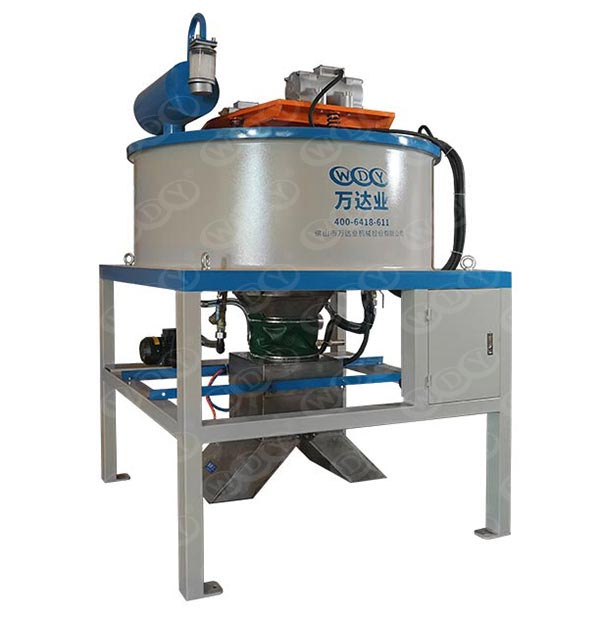
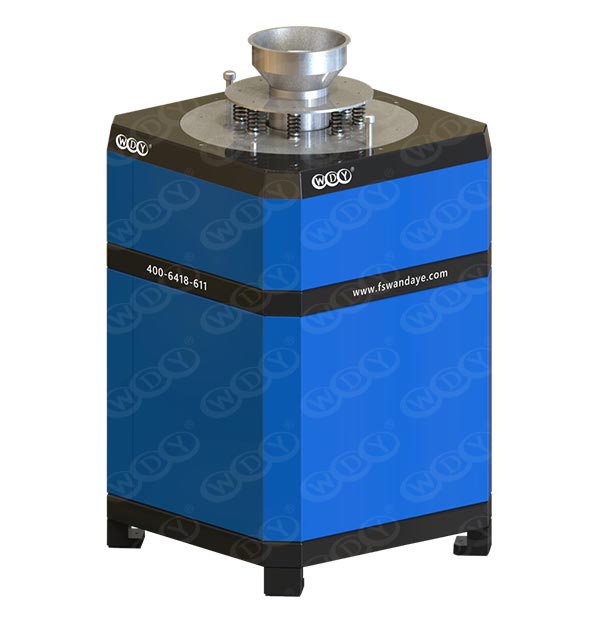
>> 3. Foshan Wandaye Technology (China) – High‑Value OEM Partner for ASEAN
>> 4. Regional and Global Magnetic Separator Specialists
● Typical Technical Requirements for Iron Separators in Cambodian Projects
● Comparison of Representative Suppliers
● Hidden Industry Pitfalls: What Experienced Buyers Check
● Buyer’s Guide: From First Contact to Installed Line
>> 1. Verifying the Factory and Certifications
>> 2. Sample and Pilot Testing Process
>> 3. Contracting and Logistics into Cambodia
● Conclusion and Next Steps (CTA)
● FAQs
>> Q1: How can I verify whether a supplier’s ISO certification is genuine and still valid?
>> Q2: What data should I insist on before approving an iron separator for my Cambodian plant?
>> Q3: How do I avoid suppliers downgrading materials (for example, using lower‑grade NdFeB)?
How Professional Buyers Should Evaluate Iron Separator Suppliers
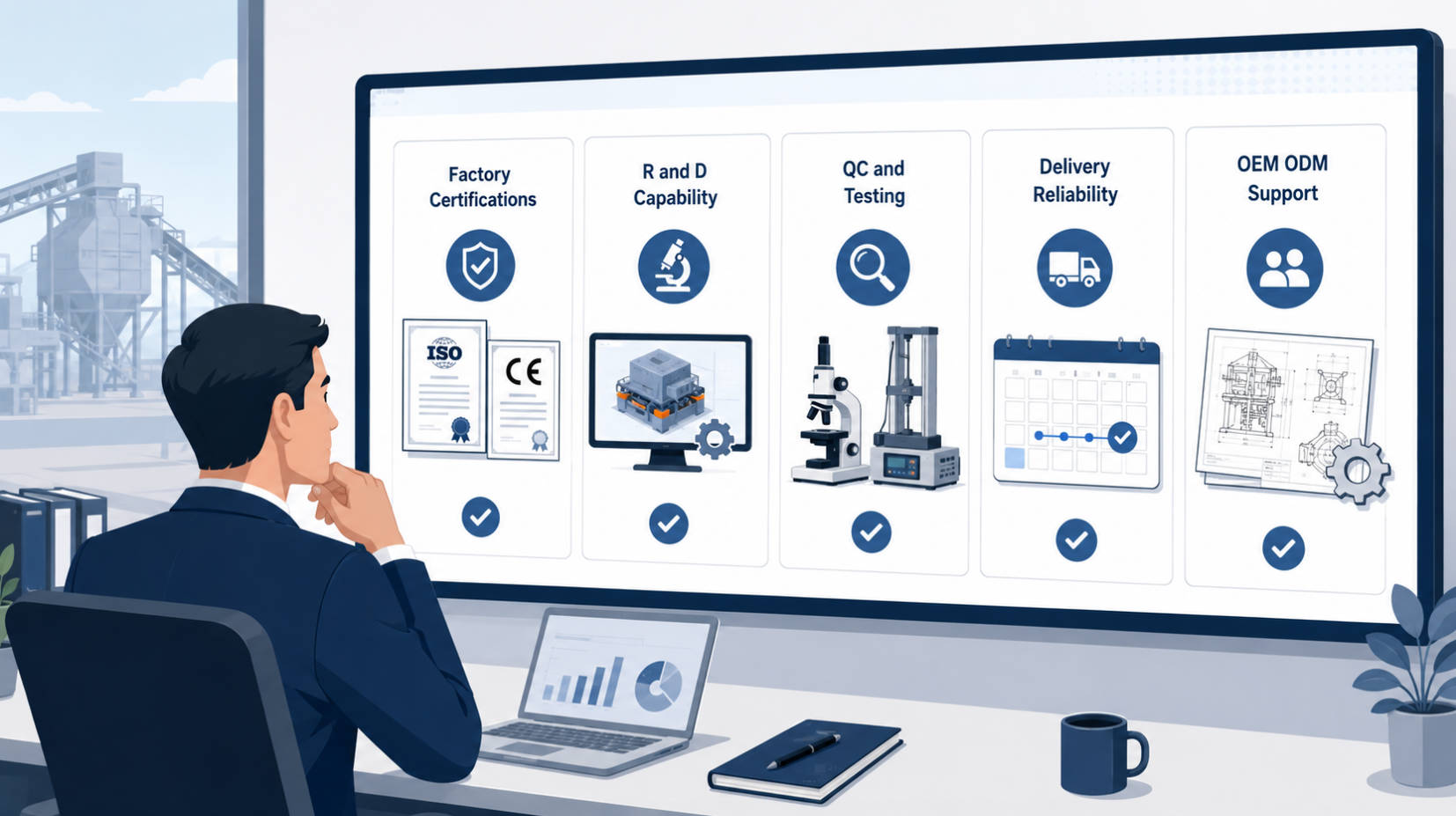
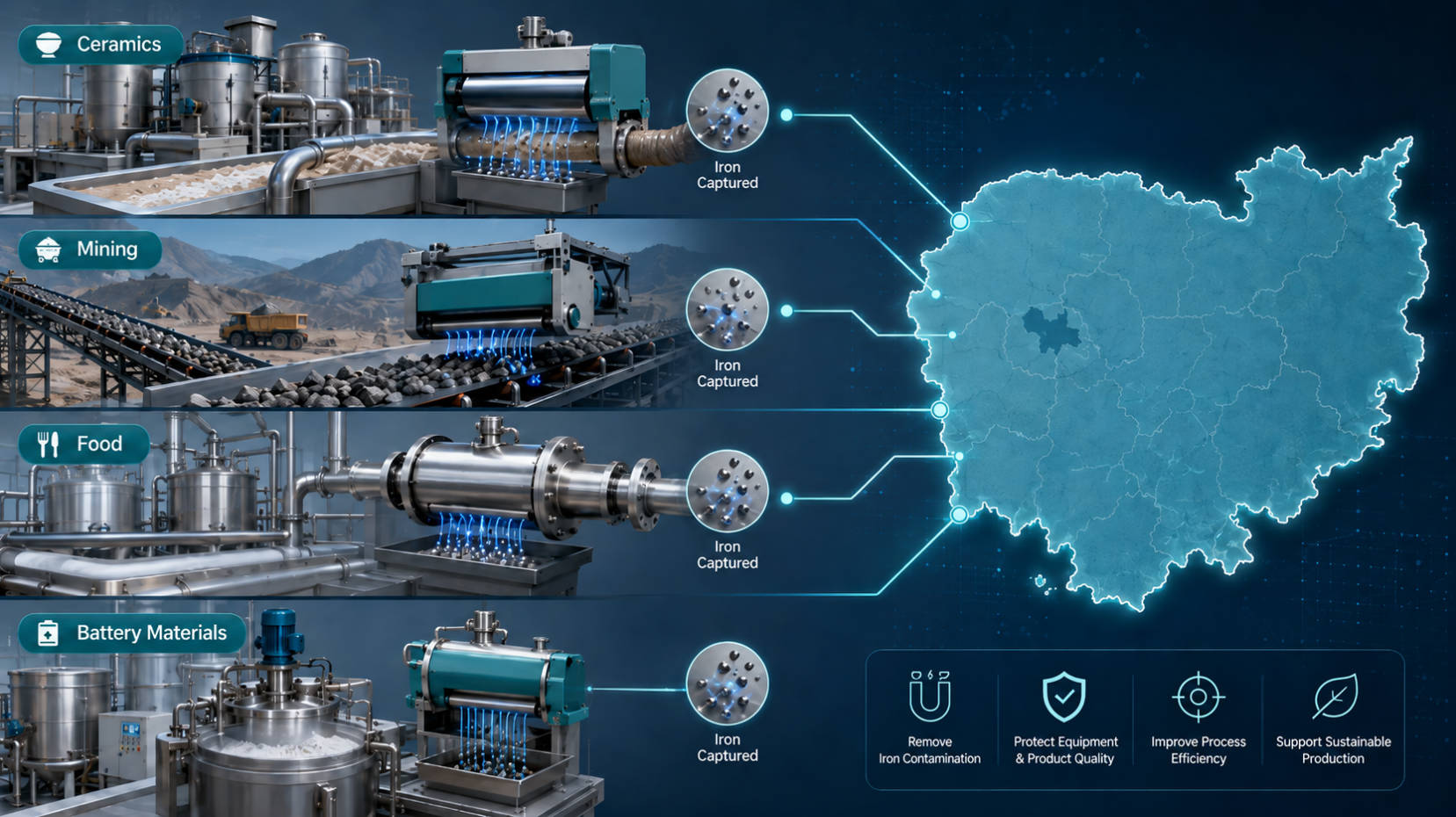
Before looking at specific manufacturers, it is essential to define a clear evaluation framework that goes beyond price and catalogue photos. For iron separators used in mining, ceramics, food, or battery materials, the wrong supplier can create contamination, production downtime, and compliance risks across your entire line. [zhongkeelectric]
When screening suppliers that export into Cambodia or support projects there, experienced buyers normally focus on:
– Factory certifications
– Valid ISO 9001 and, where relevant, ISO 14001 / ISO 45001 for environment and safety. [datainsightsmarket]
– Product-level safety and EMC compliance such as CE, and material-related directives like RoHS for certain markets. [zhongkeelectric]
– R&D and engineering capability
– Ability to specify magnetic field strength (for example, 0.8–1.8 T for high‑gradient or vertical‑ring machines) with clear test reports. [zhongkeelectric]
– Experience in tuning designs for different media (slurry, powder, granular materials) and process layouts rather than offering one generic model. [fswandaye]
– QC and traceability
– Incoming inspection on magnetic materials (e.g., NdFeB grade, coercivity and temperature rating) and steel structures. [zhongkeelectric]
– End‑of‑line testing under real operating conditions (flow rate, particle size, iron removal rate) with digital records that can be shared during audits. [zhongkeelectric]
– Delivery reliability and lifecycle support
– Documented on‑time delivery performance and standard lead times for both standard and customized models. [en.fswandaye]
– Availability of spare parts, remote diagnostics, on‑site commissioning, and training, especially important for remote Cambodian sites. [en.fswandaye]
– Export and project experience
– Proven track record in supplying to Southeast Asia and comparable climates, including resistance to humidity, dust, and unstable power conditions. [cambodiamarketentry]
– Ability to work with EPC contractors and local integrators on complete processing lines (not just selling stand‑alone machines). [en.fswandaye]
This framework is the basis for the shortlist of manufacturers and solution providers below, focusing on suppliers that actively support customers in Cambodia or the wider ASEAN region. [kumarmagnetind]
Cambodia’s Position in the Iron Separator Value Chain
Cambodia is not yet a global manufacturing hub for magnetic separation equipment, but it plays a growing role as a destination market within ASEAN industrialization. The country’s manufacturing sector grew around 9.7% year‑on‑year in 2024, with over 2,300 manufacturing units by late 2024, and is forecast to keep expanding through 2025–2026. [data.worldbank]
Most iron separators used in Cambodian projects are imported from countries with established magnetic equipment clusters such as China, India, and Europe. Cambodia’s overall trade has been rising, with total trade volume reaching around 46.9 billion USD in the first nine months of 2025 and manufacturing remaining a key driver. This combination of domestic industrial growth and reliance on imports makes supplier selection particularly critical for buyers who manage projects from Phnom Penh while sourcing machinery internationally. [facebook]
How We Selected the Top Suppliers
To keep this guide practical for professional procurement teams, the selection focuses on manufacturers and solution providers that:
– Offer dedicated magnetic separation / iron removal equipment suitable for mining, ceramics, food, plastics, and related sectors. [kumarmagnet]
– Demonstrate export experience into Southeast Asia and ability to support projects in Cambodia via direct sales, distributors, or engineering partners. [en.fswandaye]
– Hold relevant quality certifications (for example, ISO 9001) or demonstrate compliance with international standards for industrial machinery. [futuremarketinsights]
– Provide a reasonably transparent online footprint (technical data, product ranges, applications) that allows preliminary due diligence. [kumarmagnet]
– Are positioned to handle OEM/ODM cooperation for private‑label or customized system integration.
In addition, one high‑value, R&D‑driven Chinese manufacturer—Foshan Wandaye Technology—is highlighted as a flexible choice for small and medium brands seeking strong technical support and cost‑efficient solutions that can be deployed into Cambodian projects. [magnetii.goldsupplier]
Top Iron Separator Manufacturers and Suppliers Serving Cambodia
1. Kumar Magnet Industries (India → Cambodia)
Kumar Magnet Industries promotes itself as a top manufacturer and exporter of magnetic separators with dedicated pages targeting customers in Cambodia. The company supplies a wide range of magnetic separators for industries such as food, chemicals, plastics, and recycling, which aligns well with Cambodia’s growing non‑garment manufacturing base. [kumarmagnetind]
Key points for buyers:
– Product focus: Magnetic separators, magnetic roller separators, and other material handling magnets. [kumarmagnetind]
– Market reach: Positions itself as supplying “top 10” magnetic separators in Cambodia through export, implying established logistics routes into the country. [kumarmagnet]
– Typical applications: Dairy, food, textiles, chemical, plastics, grain & milling, oil, recycling. [kumarmagnet]
– Value for Cambodia projects: Suitable for general‑purpose iron removal in food and light manufacturing lines that are increasingly common in Cambodian industrial parks. [cambodiamarketentry]
2. Hunan Zhongke Electric Co., Ltd. (China)
Hunan Zhongke is a Chinese manufacturer specializing in advanced magnetic separators for mineral processing, with high‑gradient and vertical‑ring technologies. Its equipment has been installed in major mining operations globally, making it a strong candidate for large‑scale Cambodian mining and minerals projects handled by international EPC contractors. [datainsightsmarket]
Key points for buyers:
– Product focus: Electromagnetic and permanent magnetic separators, including CT series drums, high‑efficiency vertical‑ring separators, and iron‑removal systems. [zhongkeelectric]
– Technical highlights: Magnetic field strengths up to around 1.8 T, capacities up to thousands of tons per hour, and energy‑saving permanent magnets with over 80% power reduction vs traditional electromagnetic units. [zhongkeelectric]
– Certifications: ISO quality management and export authorizations are referenced, supporting compliance for cross‑border projects. [datainsightsmarket]
– Value for Cambodia projects: Best suited for mining, steel, and large mineral processing lines supplying regional markets, where efficiency and reliability are more important than lowest upfront cost. [datainsightsmarket]
3. Foshan Wandaye Technology (China) – High‑Value OEM Partner for ASEAN
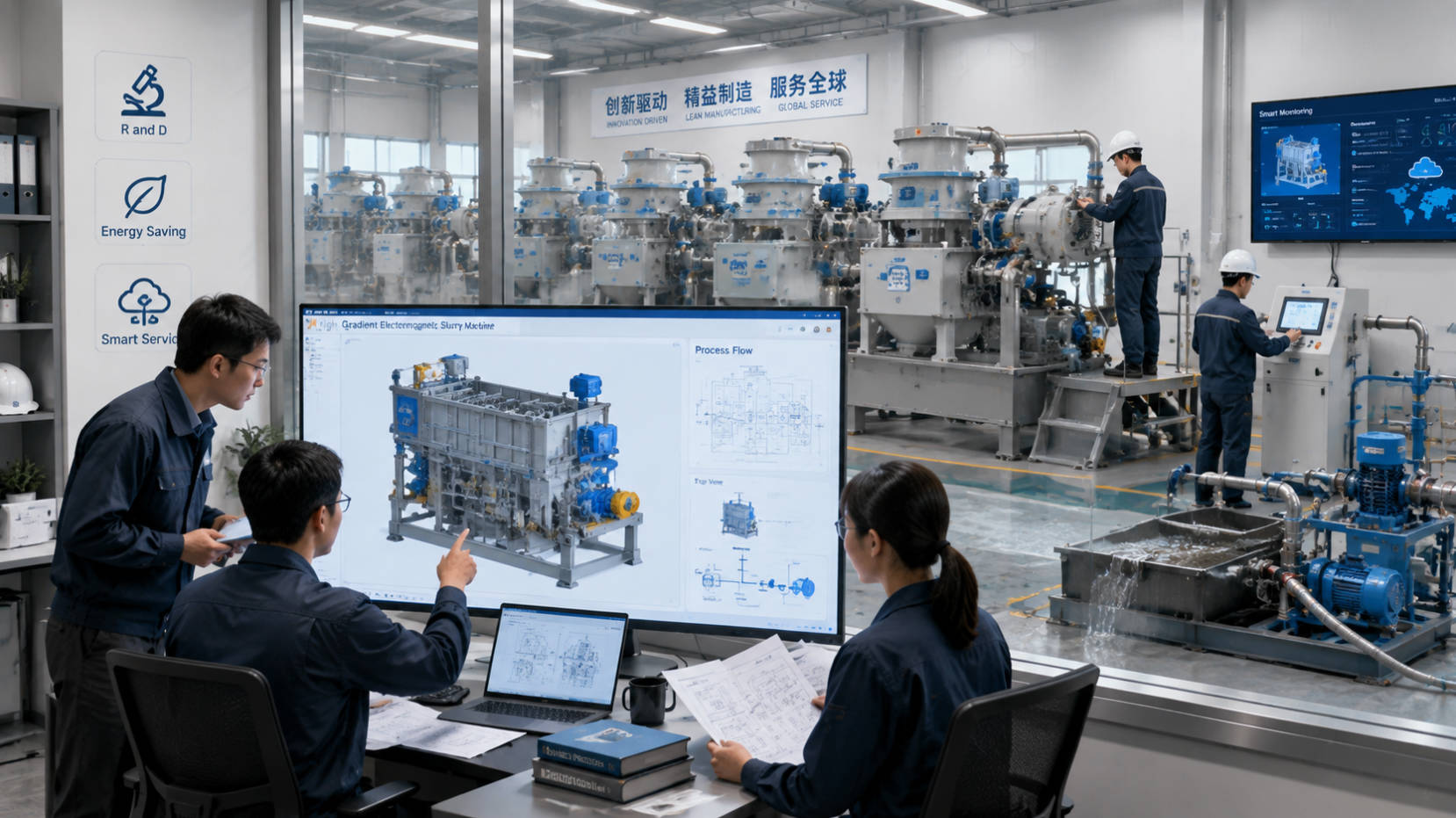
Foshan Wandaye Machinery Equipment Co., Ltd. (Wandaye Technology) is a professional magnetic separator enterprise integrating R&D, engineering design, production‑line installation, and commissioning services. The company focuses on high‑gradient electromagnetic slurry machines, powder magnetic separators, permanent magnetic separators, and iron‑removal cabinets used across non‑metallic minerals, ceramics, glass, environmental protection, rubber, plastics, medicine, food, and battery materials. [fswandaye]
Key strengths relevant to Cambodian buyers:
– R&D‑driven product line: Wandaye has brought forward a “High‑efficient – Energy‑saving – Environmental‑protection – Smart” development concept and has developed high‑efficiency magnetic separators that improve energy savings by around 25%, with further improvement targets. [en.fswandaye]
– Intelligent equipment: Machines can be equipped with remote monitoring, maintenance, intelligent reporting, and cloud system processing, which is particularly useful when supporting Cambodian plants from China via remote service. [en.fswandaye]
– Industry positioning: Recognized as a national innovative high‑tech enterprise and a leading brand in its segment, plus acting as secretary unit of a local magnetic equipment industry standard league. [magnetii.goldsupplier]
– OEM/ODM suitability: With its own laboratory for ore testing, process design capabilities for kaolin, feldspar, and quartz sand, and experience exporting to markets such as Vietnam, India, Iran, Egypt, and Malaysia, Wandaye is well‑positioned to support small and mid‑sized brands that want to build private‑label or co‑developed solutions aimed at Cambodian customers. [en.fswandaye]
For procurement teams, Wandaye is often a good fit when you need a technically strong but cost‑efficient partner that can adapt equipment and control systems to local integrators in Cambodia, rather than only selling catalogue units. [fswandaye]
4. Regional and Global Magnetic Separator Specialists
Because Cambodia relies heavily on imports for this type of machinery, many projects are served by regional players that do not maintain factories inside the country but actively ship into ASEAN. Typical profiles include: [futuremarketinsights]
– India‑based magnetic equipment manufacturers
– Firms similar to Kumar Magnet Industries offer magnetic roller separators, grills, and overband magnets for light and medium industrial applications, often with competitive MOQs and moderate customization options. [kumarmagnetind]
– China‑based system suppliers
– Enterprises such as Hunan Zhongke and other large providers offer high‑capacity, high‑gradient machines for mining, steel, and waste‑recycling plants, usually with higher MOQs but comprehensive project engineering support. [futuremarketinsights]
– Specialist European or global brands
– Multinationals in the magnetics and process‑equipment space supply premium solutions, especially when European or North American investors specify familiar brands for compliance or internal standards. [futuremarketinsights]
For Cambodian buyers, the choice between regional and global brands often comes down to project scale, required certifications, and lifecycle cost rather than pure purchase price. [cambodiamarketentry]
Typical Technical Requirements for Iron Separators in Cambodian Projects
When specifying iron separators for projects in Cambodia, procurement teams should pay attention to several technical dimensions:
– Magnetic material and field strength
– High‑performance NdFeB permanent magnets are now standard for many permanent separators, offering high coercivity and remanence with long service life. [zhongkeelectric]
– For weakly magnetic minerals or fine slurry (e.g., ceramics and non‑metallic ores), high‑gradient designs with fields from about 0.8 T up to around 1.8 T are often required. [fswandaye]
– Process compatibility
– Slurry separators for ceramics and battery materials must handle corrosive slurries and fine particles, with tank designs optimized for counterflow or semicounterflow to maximize recovery. [fswandaye]
– Powder separators for plastics, food, or chemical powders should be designed for sanitary operation, easy cleaning, and compliance with hygiene standards in food or pharma applications. [kumarmagnet]
– Energy efficiency and control
– Modern permanent magnetic systems can cut power consumption by more than 80% compared with older electromagnetic designs, which directly improves operating costs in regions with relatively high industrial tariffs. [datainsightsmarket]
– PLC control, remote diagnostics, and integration with plant SCADA systems are increasingly requested in large‑scale projects to reduce unplanned downtime. [en.fswandaye]
– Compliance and safety
– For equipment entering regulated markets or supplying export‑oriented plants in Cambodia, CE, RoHS, and in some cases ATEX (for explosive dust environments) should be considered. [datainsightsmarket]
– ISO 9001 certification at the factory level and documented safety assessments reduce risk during internal or customer audits. [futuremarketinsights]
Comparison of Representative Suppliers
Below is an indicative, high‑level comparison based on publicly available information and typical market positioning of key supplier types that serve Cambodia. [kumarmagnetind]
| Supplier / Type | Typical capacity range | Indicative MOQ | Key certifications / credentials | Typical project fit |
|---|---|---|---|---|
| Kumar Magnet Industries (India) | From small lines for food/plastics to mid‑size industrial flows, depending on model kumarmagnet | Often flexible MOQs for standard units, suitable for distributors and SMEs kumarmagnet | Focus on international quality standards; detailed ISO/CE info to be checked per project kumarmagnet | General‑purpose iron removal in food, plastics, and light manufacturing lines in Cambodia kumarmagnet |
| Hunan Zhongke Electric (China) | Roughly 20–2200 t/h for vertical‑ring series, plus large drum systems zhongkeelectric | Higher MOQ for customized high‑capacity equipment zhongkeelectric | ISO quality system, national technical invention certificates, export license zhongkeelectric | Large mining, steel, and mineral‑processing projects requiring high throughput zhongkeelectric |
| Foshan Wandaye Technology (China) | From small high‑gradient slurry machines to full lines for non‑metallic minerals en.fswandaye | Relatively friendly for OEM/ODM and mid‑sized orders due to flexible engineering support en.fswandaye | High‑tech enterprise status, domestic brand awards, ISO‑based quality management; application‑oriented testing lab en.fswandaye | Ceramics, glass, battery materials, food, and environmental projects in ASEAN where R&D support and customization are critical en.fswandaye |
| Global premium brands (EU/US) | Medium to large capacities across food, mining, and recycling datainsightsmarket | Often require larger project volume or long‑term framework agreements datainsightsmarket | Broad portfolio of CE, ISO, and sector‑specific certifications datainsightsmarket | Projects with strict brand or compliance requirements from Western investors datainsightsmarket |
Use this table as a starting point and always verify the exact specifications, MOQs, and certifications with each supplier before finalizing RFQs or contracts. [futuremarketinsights]
Hidden Industry Pitfalls: What Experienced Buyers Check
One internal “rule of thumb” among experienced magnetic‑equipment buyers is to never rely solely on magnet strength numbers in a brochure without understanding how those values were measured. Different suppliers may quote surface field strength at different distances from the pole, or under different loading conditions, which can make non‑comparable numbers look similar. [datainsightsmarket]
Other common pitfalls for Cambodia‑bound equipment include:
– Under‑specifying frame and support structures
– In tropical environments with high humidity and sometimes challenging foundations, undersized frames and poor corrosion protection can lead to misalignment and reduced separation efficiency within a short time. [cambodiamarketentry]
– Inconsistent magnet sourcing
– To cut costs, some suppliers may downgrade NdFeB grades or plating quality, leading to faster demagnetization under heat and causing a gradual drop in separation performance that only shows up months after commissioning. [datainsightsmarket]
– Ignoring local maintenance capability
– Highly customized or proprietary control systems without proper training or remote support can leave Cambodian plants dependent on expensive emergency visits from overseas engineers. [en.fswandaye]
Practical internal guideline: ask for multi‑year performance references in climates similar to Cambodia, and request actual demagnetization curves or long‑term test data for magnets used in critical separators. [cambodiamarketentry]
Buyer’s Guide: From First Contact to Installed Line
1. Verifying the Factory and Certifications
– Request legal and quality documents up front
– Business license, ISO certificates, CE/other declarations of conformity, and, if relevant, export licenses. [en.fswandaye]
– Verify ISO certificate validity directly with the issuing body’s online database; many registrars provide searchable public records. [futuremarketinsights]
– Conduct at least a remote audit
– Video calls showing production lines, magnet testing equipment, and QC checkpoints are now standard practice, especially when travel budgets are limited. [zhongkeelectric]
– For high‑value projects, appoint a third‑party inspection agency to visit the factory and review welding quality, coil winding, insulation, and documentation. [futuremarketinsights]
2. Sample and Pilot Testing Process
– Start from your actual materials
– Request laboratory or pilot‑scale tests using your own ore, slurry, or powders; Wandaye, for example, runs lab‑scale beneficiation tests and process design for kaolin, feldspar, and quartz. [en.fswandaye]
– Ask for detailed test reports: feed composition, particle size distribution, iron content before/after, flow rate, and energy consumption. [zhongkeelectric]
– Define acceptance parameters early
– Set target iron removal rates (for example, above 95% for certain slurry applications) and maximum acceptable pressure drop or energy consumption per ton. [datainsightsmarket]
– Use these parameters as the basis for your contract and factory acceptance testing (FAT) and site acceptance testing (SAT). [datainsightsmarket]
3. Contracting and Logistics into Cambodia
– Clarify Incoterms and responsibilities
– For imports into Cambodia, many buyers choose FOB or CIF via regional ports, then work with local freight forwarders for last‑mile transport. [ustr]
– Confirm who handles export documentation, customs clearance support, and any required local certification.
– Plan for spare parts and after‑sales
– Ensure that critical components (magnets, coils, controllers, sensors) have clear part numbers, lead times, and recommended minimum stock levels on the Cambodian site. [en.fswandaye]
– For highly automated systems, agree on remote‑support SLAs, including response time and remote login arrangements. [zhongkeelectric]
Conclusion and Next Steps (CTA)
Cambodia’s fast‑growing manufacturing sector is increasing demand for reliable iron separators, but most equipment still comes from experienced manufacturers in China, India, and other regional hubs. By applying a clear evaluation framework—covering certifications, R&D strength, QC, delivery reliability, and lifecycle support—you can significantly reduce technical and commercial risk when sourcing for Cambodian projects. [cambodiamarketentry]
If you are a procurement or engineering manager planning new lines in Cambodia, your next step should be to build a structured shortlist that includes at least one high‑capacity specialist, one flexible OEM‑oriented partner such as Wandaye Technology, and, where needed, a premium global brand for compliance‑driven projects. From there, run comparative pilot tests with your own materials and use data—not brochures—to select the most suitable long‑term partner. [magnetii.goldsupplier]
FAQs
Q1: How can I verify whether a supplier’s ISO certification is genuine and still valid?
Ask for a scanned copy of the ISO certificate, identify the issuing certification body, and check the certificate number against the body’s official online database or customer service. Serious registrars maintain up‑to‑date public records, and discrepancies are a red flag that should trigger deeper due diligence. [futuremarketinsights]
Q2: What data should I insist on before approving an iron separator for my Cambodian plant?
Request detailed performance data including magnetic field strength at defined distances, feed and product iron content, throughput rates, and energy consumption per ton, all based on tests using your actual material. You should also collect lifecycle estimates for magnets and key wear parts to build a realistic total cost of ownership model. [en.fswandaye]
Q3: How do I avoid suppliers downgrading materials (for example, using lower‑grade NdFeB)?
Specify magnet grade, coating, and maximum operating temperature in your technical specification and contract, and require corresponding incoming inspection records and material certificates for each batch. For critical projects, use random third‑party sampling to verify magnet properties through independent labs. [futuremarketinsights]
Q4: What is the best way to balance cost and performance when choosing between regional Chinese/Indian suppliers and global brands?
Compare not only equipment price but also expected recovery rates, energy consumption, and planned maintenance costs over 5–10 years based on realistic utilization in Cambodia. Regional suppliers like Wandaye often offer strong performance with lower capital cost, which can be attractive for projects that do not require a global brand for compliance reasons. [magnetii.goldsupplier]
Q5: How can I assess whether a supplier can support OEM/ODM projects for my own brand in the Cambodian market?
Check whether the supplier has in‑house engineering, a testing laboratory, and previous experience with process design and customization for international customers. You should also review their willingness to sign confidentiality agreements, branding policies, and the flexibility of their production planning for small to mid‑sized custom batches. [magnetii.goldsupplier]
References
1. – Kumar Magnet Industries – “Magnetic Separator in Cambodia.” [Link] [kumarmagnet]
2. – Kumar Magnet Industries – “Magnetic Roller Separator in Cambodia.” [Link] [kumarmagnetind]
3. – Hunan Zhongke Electric – “Magnetic Separator Solutions.” [Link] [zhongkeelectric]
4. – Foshan Wandaye Machinery Equipment – About Us. [Link] [en.fswandaye]
5. – Foshan Wandaye Machinery Equipment – Homepage. [Link] [en.fswandaye]
6. – Foshan Wandaye – Electromagnetic slurry magnetic separator series (Chinese). [Link] [fswandaye]
7. – Foshan Wandaye – Supplier profile on B2B platform. [Link] [magnetii.goldsupplier]
8. – 6Wresearch – Cambodia Pig Iron Market 2020–2026. [Link] [6wresearch]
9. – Market report – Magnetic Iron Separator Market Outlook. [Link] [datainsightsmarket]
10. – Future Market Insights – Magnetic Separator Market Share Analysis. [Link] [futuremarketinsights]
11. – World Bank – Manufacturing, value added (% of GDP) – Cambodia. [Link] [data.worldbank]
12. – Cambodia Market Entry – “How ‘Made in Cambodia’ Products Are Driving Unprecedented Economic Growth in 2025.” [Link] [cambodiamarketentry]
13. – U.S. Department of State – 2025 Investment Climate Statements: Cambodia. [Link] [state]
14. – USTR – Cambodia Country Facts. [Link] [ustr]
Hot Tags: Iron Separator, Manufacturers, Customized, Custom, Suppliers, Buy, Cheap, Quality, Advanced, Durable, in Stock, Made in China, Price, Quotation